What Is Going On
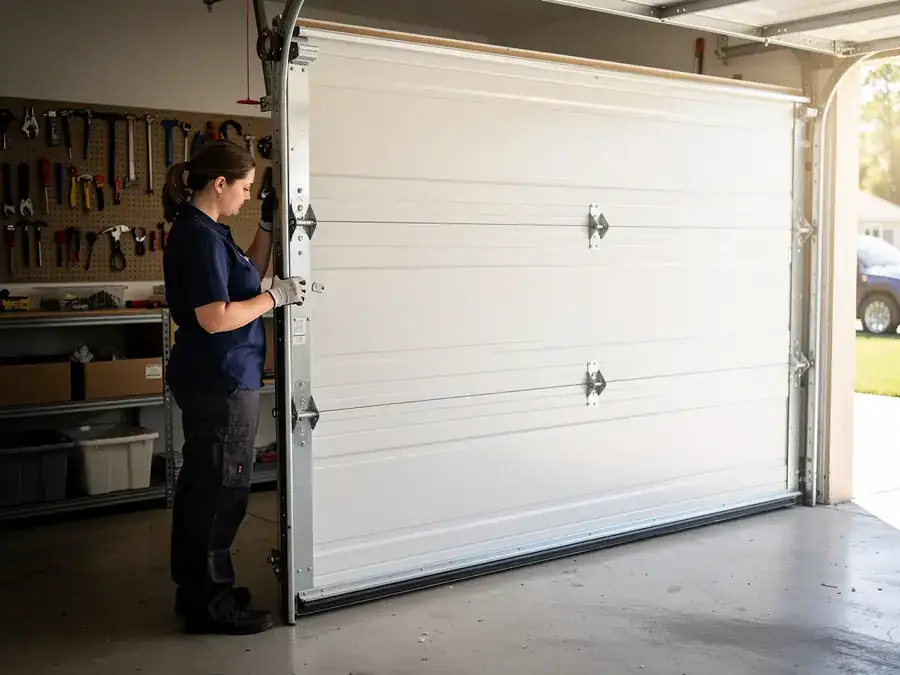
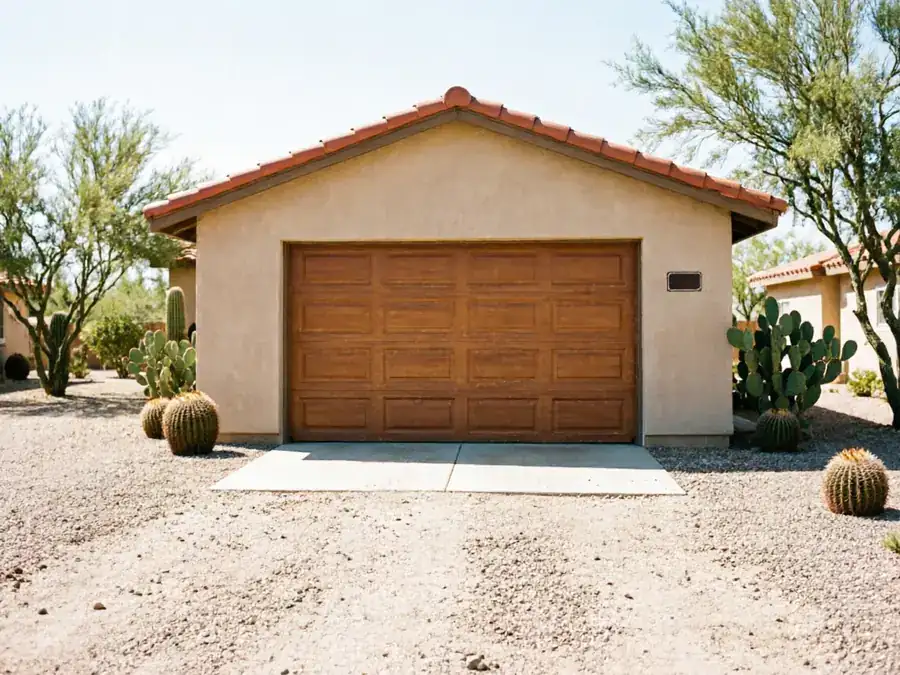
Across the Henderson service area, housing was built mostly between 1979 and 2006, with a median year around 1994 - and that stretch covers eight named neighborhoods. Garage doors installed during that building boom were almost all single-layer steel, because insulated doors weren't the default option builders specced for production homes at the time. Energy codes that pushed insulated doors as standard came later, so a door that's original to a house from this era is, by definition, a door that was never designed with a thermal break. That's not a defect - it's just what got installed on tens of thousands of houses across this stretch of the valley at once, which is why it shows up so consistently from one street to the next.
What Local Conditions Do
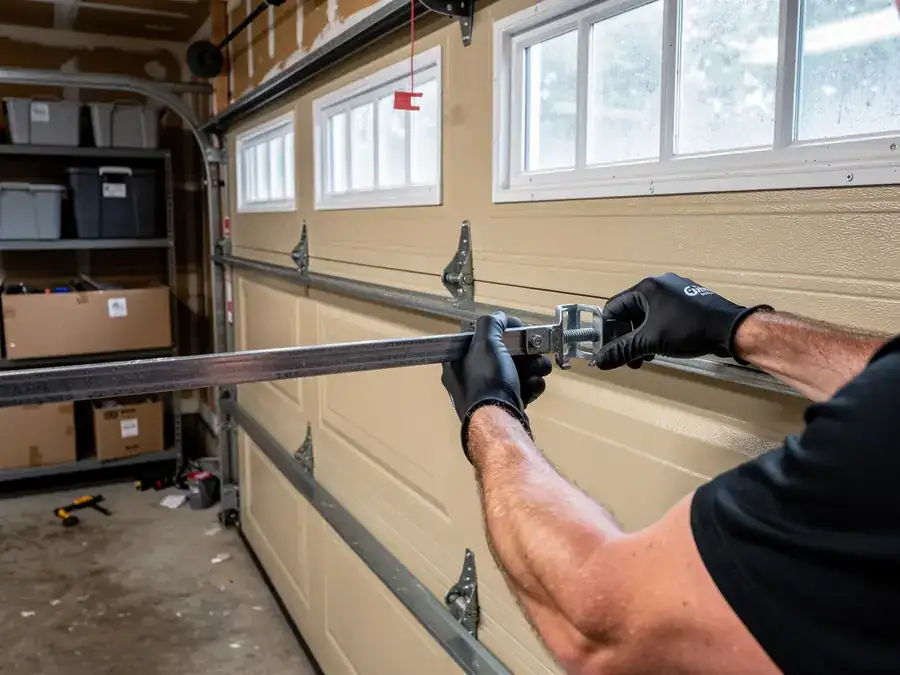
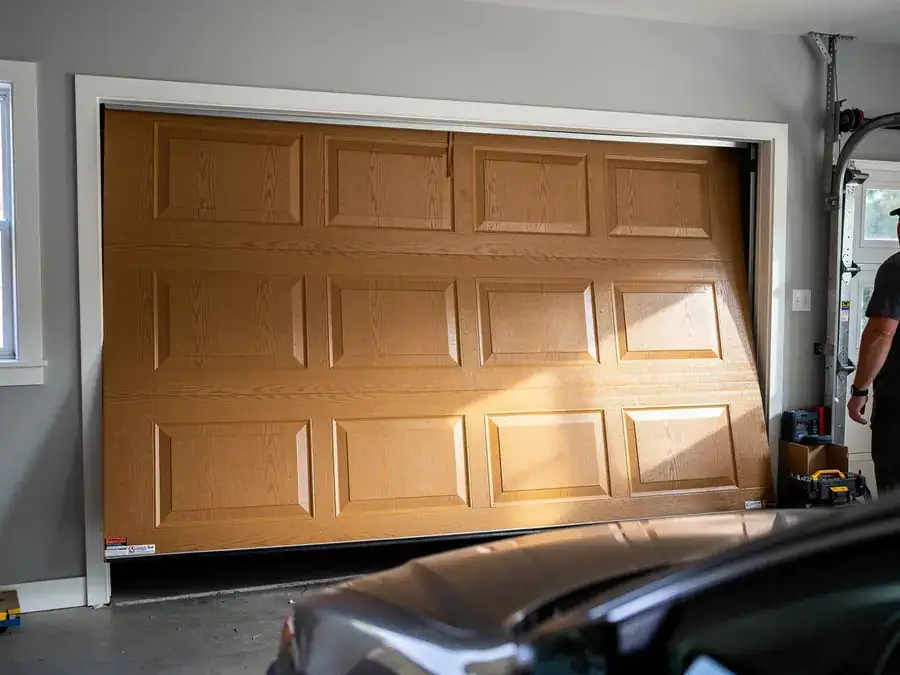
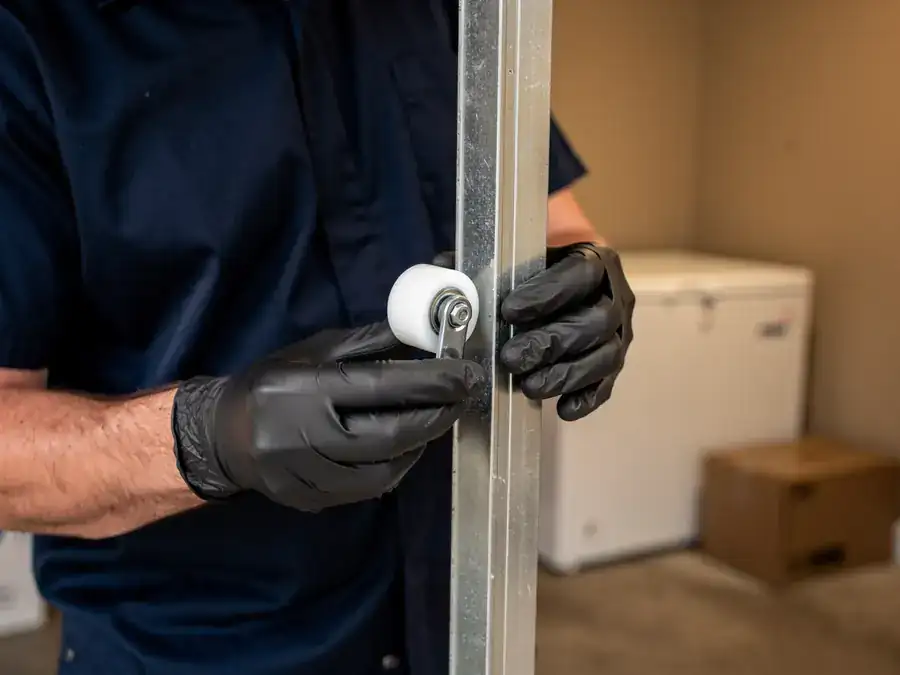
Henderson sits in a severe heat climate band, and an uninsulated steel door takes that heat directly. The panel itself can reach well over 150 degrees in direct sun, and with no foam core to slow the transfer, that heat moves straight through to the garage interior - and from there into any room that shares a wall with the garage. Steel also expands under that kind of heat load, which is why older single-layer doors on homes from the 1980s and 90s often develop a slight bow across the width of the panel, especially center panels on wider double doors. That bowing puts uneven pressure on the rollers and track alignment, which is a big part of why doors from this era grind, stick, or jump track more in summer than doors installed in the last ten years.