Checking It Yourself
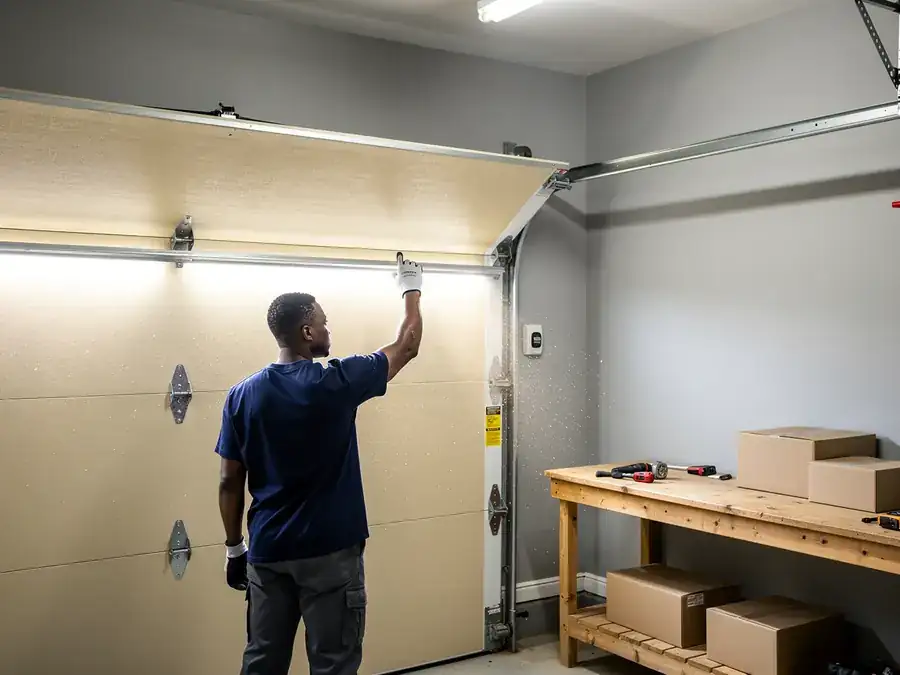
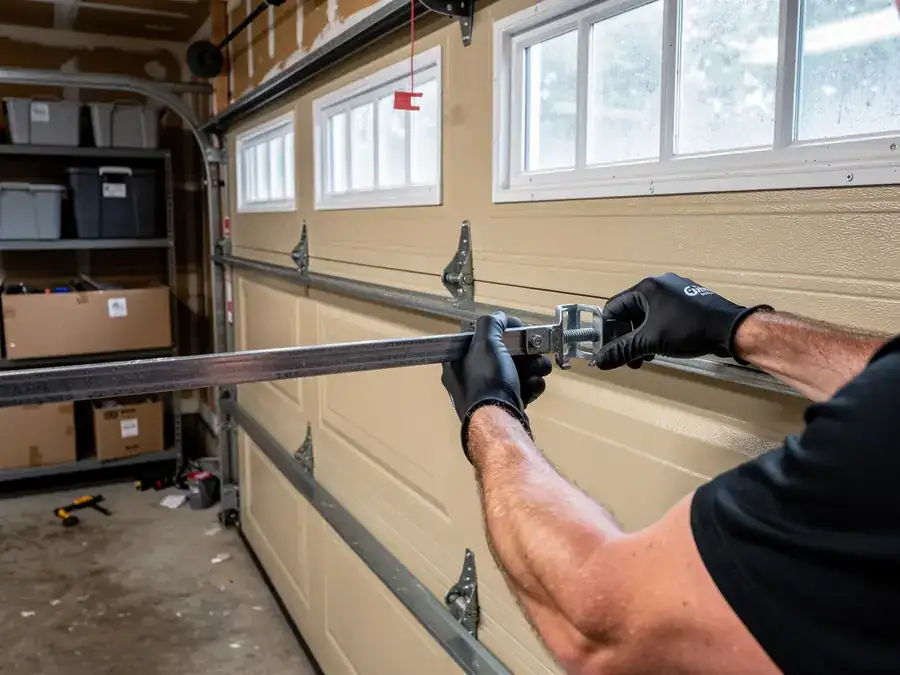
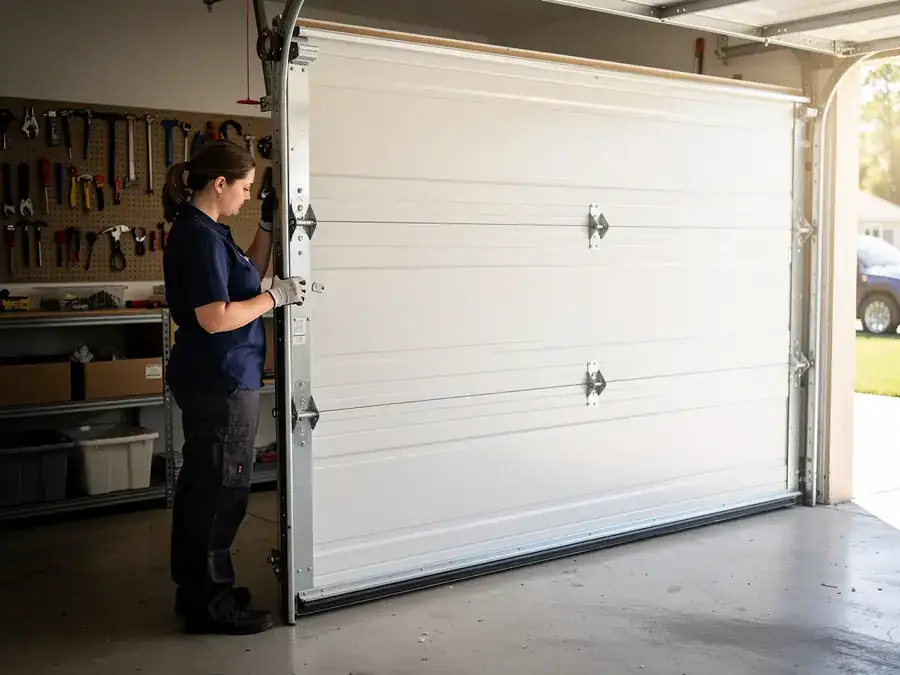
Pull the release handle, lift the door by hand to the halfway point, and let go
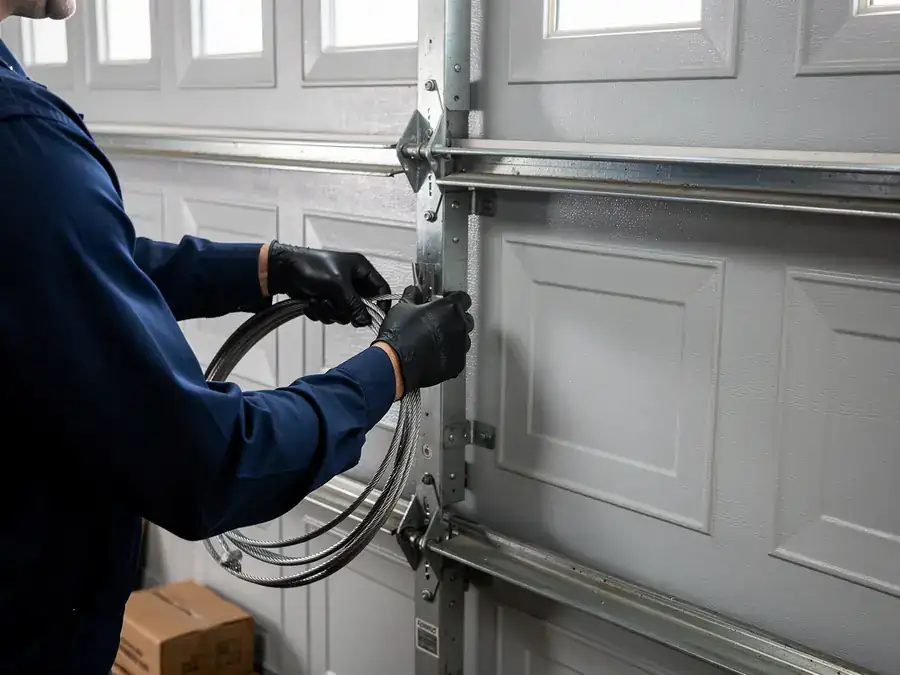
If it holds there, the springs are still doing their job. If it drops or shoots up, something's worn past the point of a quick fix. Look at the bottom bracket cables for fraying, and run a hand along the track for flat spots or rust bloom where the galvanized coating has worn through.
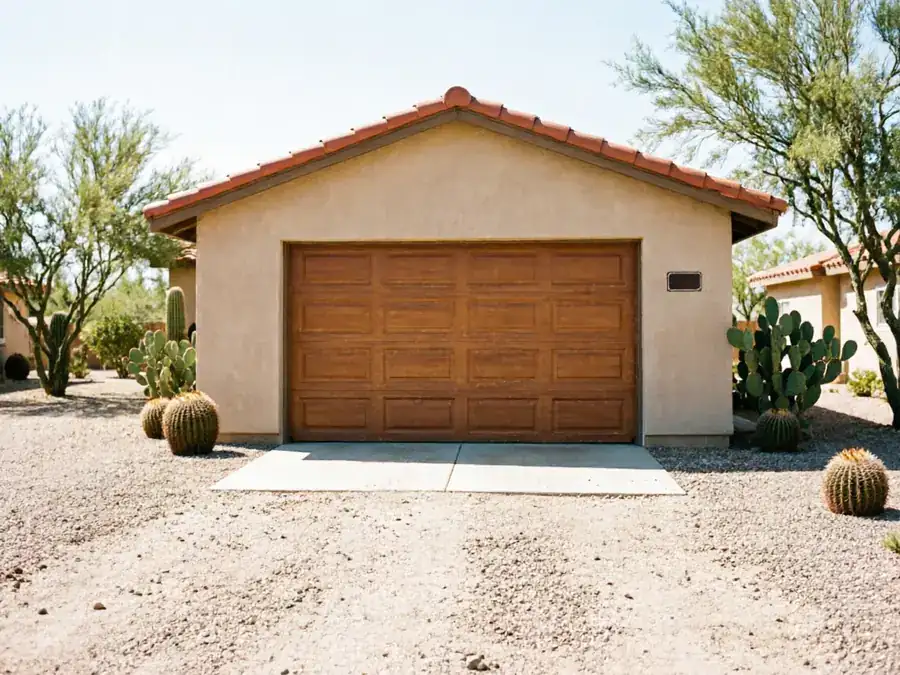
A lot of Henderson garage doors are still the original units from when the house went up
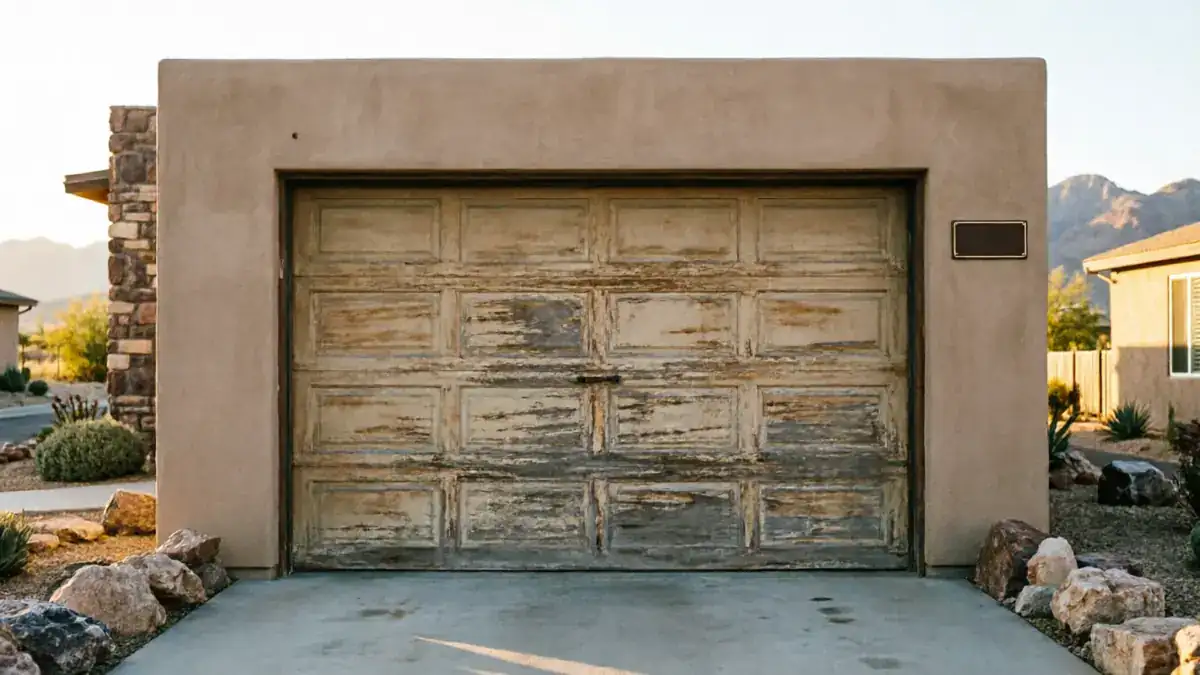
Most of this area's housing was built between 1979 and 2006, with a median around 1994, so a door that's never been replaced is pushing thirty to forty years on the same hardware. That's not automatically bad. Steel sections from that era are often heavier gauge than what gets installed today. But check the panels for delamination - bubbling or separation between the steel skin and the foam core is common on doors that have sat through enough summers here, and once that starts it doesn't stop.
If the door moves smoothly, closes flush, and the cables and rollers look sound, you're probably looking at a repair, not a replacement
What Is Going On
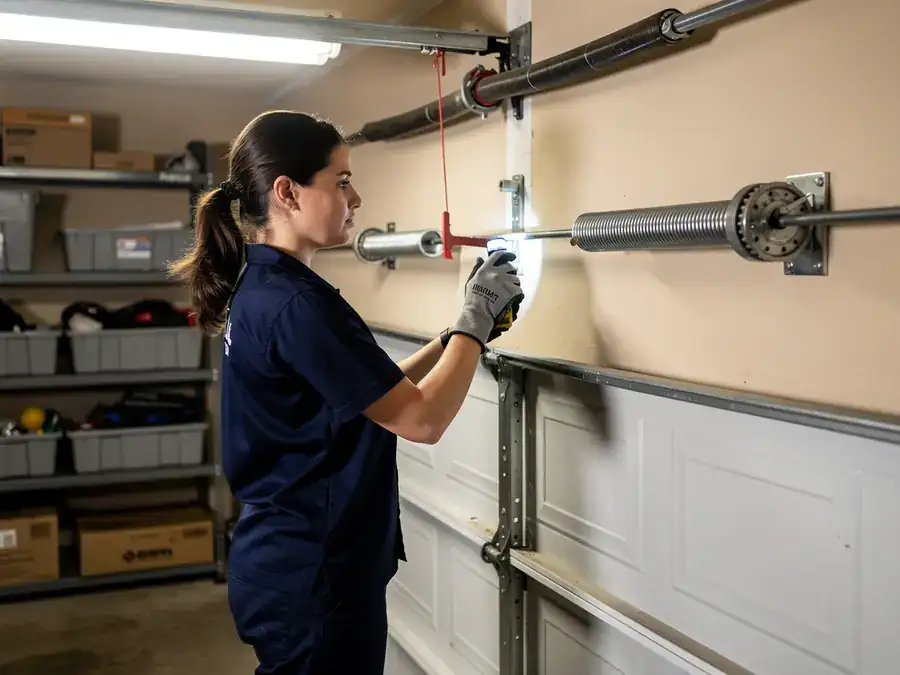
Most of the failures we get called out for on older doors come down to three parts: the torsion or extension springs, the rollers, and the bottom seal. Springs lose tension gradually - they don't usually snap without warning, they just get weaker year over year until the opener is doing work it wasn't built to do, which burns out the motor early.
Houses across this part of the valley were mostly built in the 1980s and 90s, spread across the named areas around here, and that generation of garage doors commonly used extension springs mounted over the horizontal track rather than the torsion springs standard on newer installs. Extension spring setups are more parts-dependent to fix right, and parts for the original hardware aren't always something we carry on the truck - that's a real limitation, and sometimes it means sourcing a part takes a day or two rather than same-visit.
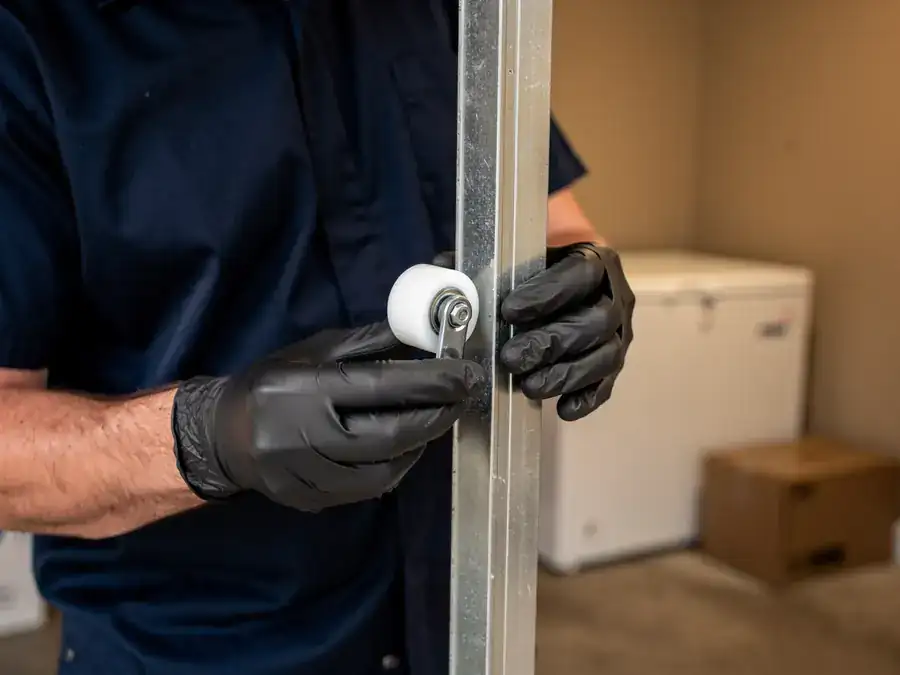
Rollers on doors this age are often still steel, not nylon, which means noise and wear at the hinges rather than cracking. Replacing rollers and a worn seal is cheap work on a door that's otherwise sound. Replacing the whole door because of that is not a repair decision, it's a convenience one.
What Local Conditions Do
Henderson sits in a severe-heat climate band, and that matters more for a garage door than most homeowners expect. Heat doesn't just fade paint - it dries out the lubricant in spring coils and roller bearings faster than it would somewhere with a milder summer, which means the grease schedule that worked fine on a door in a cooler climate isn't enough here. A spring that's starved of lubrication works harder for the same lift, and that shortens its life.
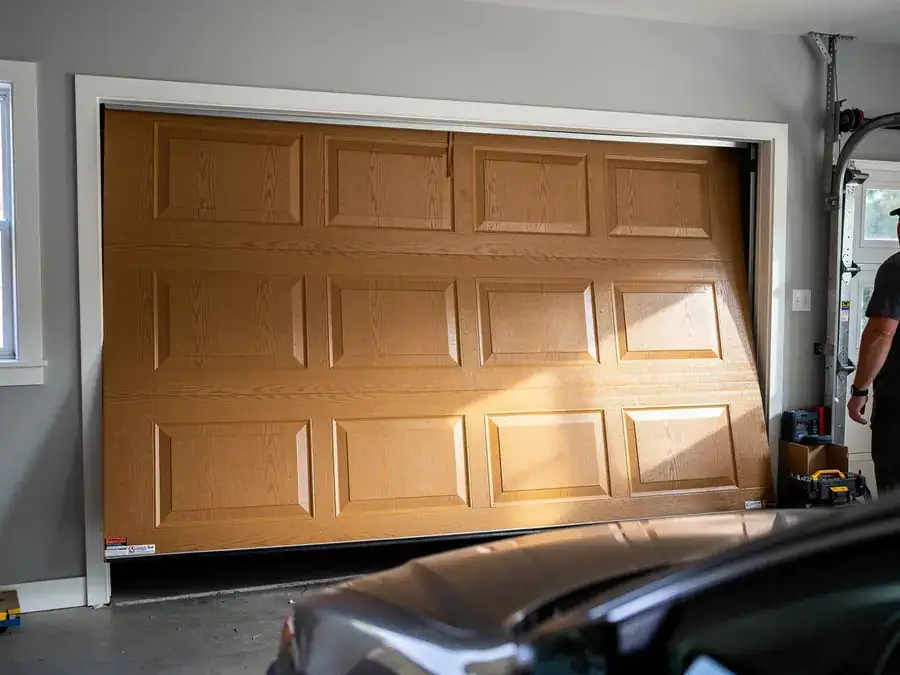
Heat also expands steel. On an older door, panels that were already slightly out of square from decades of use expand and contract more than new, tighter-tolerance panels, which is part of why older doors in this area develop binding at the track corners that newer doors don't show as often.
Across the service area's roughly 115,140 owner-occupied houses, this is a shared problem, not a one-off. It's also why a repair here sometimes means replacing a seal or weatherstrip that's gone brittle rather than just the part that actually failed - in this heat, rubber ages out before steel does.
The Seasonal Bit
Summer is when the calls come in
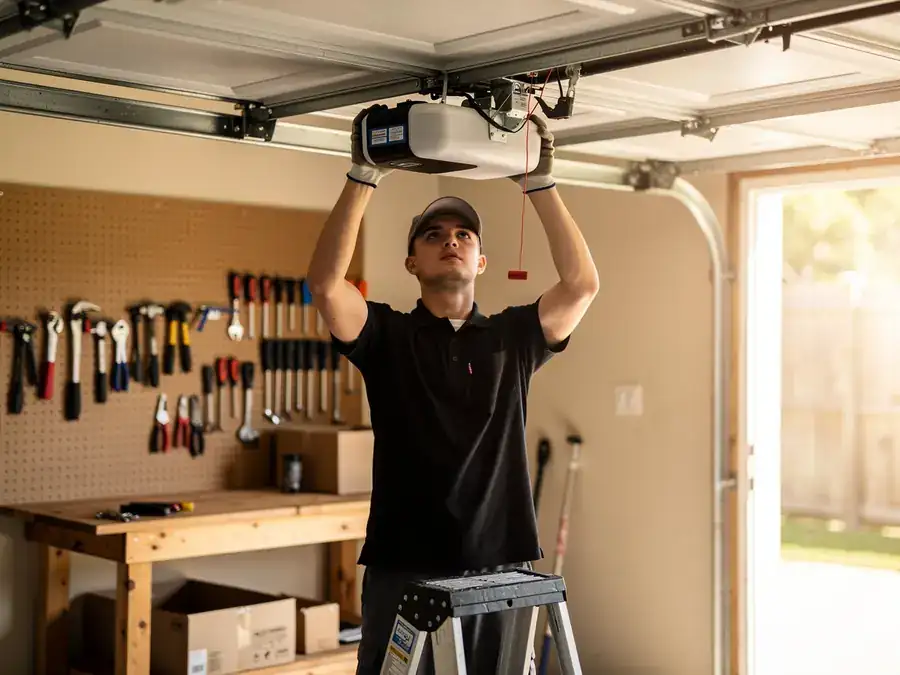
A door that's been limping along all spring, with a spring slightly weaker than it should be, finally gives out once daytime highs push past what the hardware was lubricated for. Openers strain harder in the heat too - the motor works against a door that's heavier to lift because the springs aren't compensating the way they used to, and that's a fast way to burn out a gear set that otherwise had years left.
The fix isn't complicated
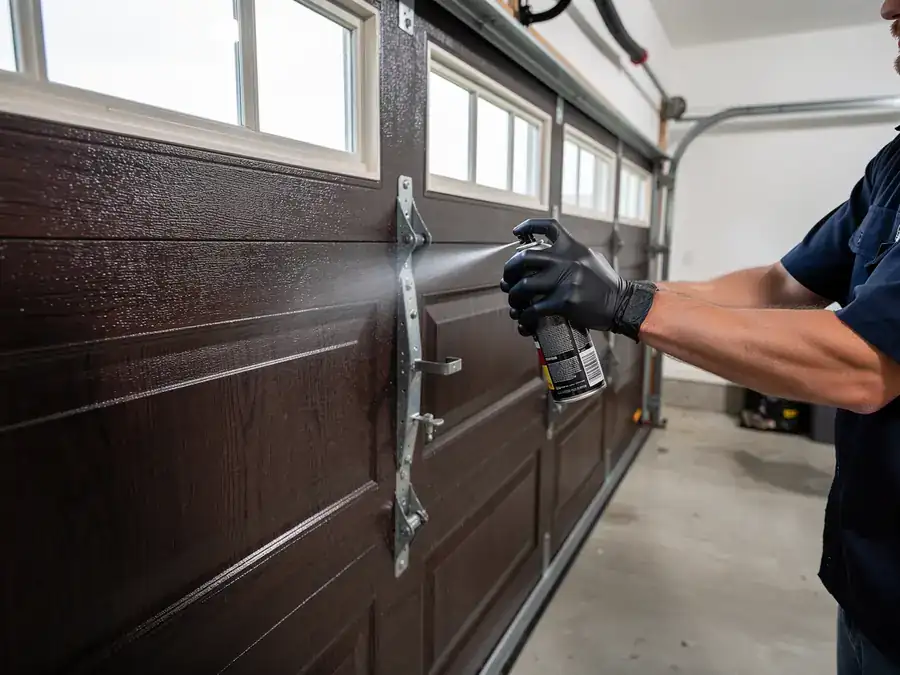
Get the springs checked before the worst of the heat, not after the door's already stuck halfway open with a carload of groceries behind it. A once-a-year look at spring tension and a regrease of the rollers and hinges costs little and catches most of what would otherwise turn into an emergency call in July.
For houses built in the 1979-2006 run that makes up most of this area, that seasonal check matters more than it would on a newer door, simply because the hardware has fewer years of margin left in it