What the Fix Involves
A standard service call covers the parts that actually wear out
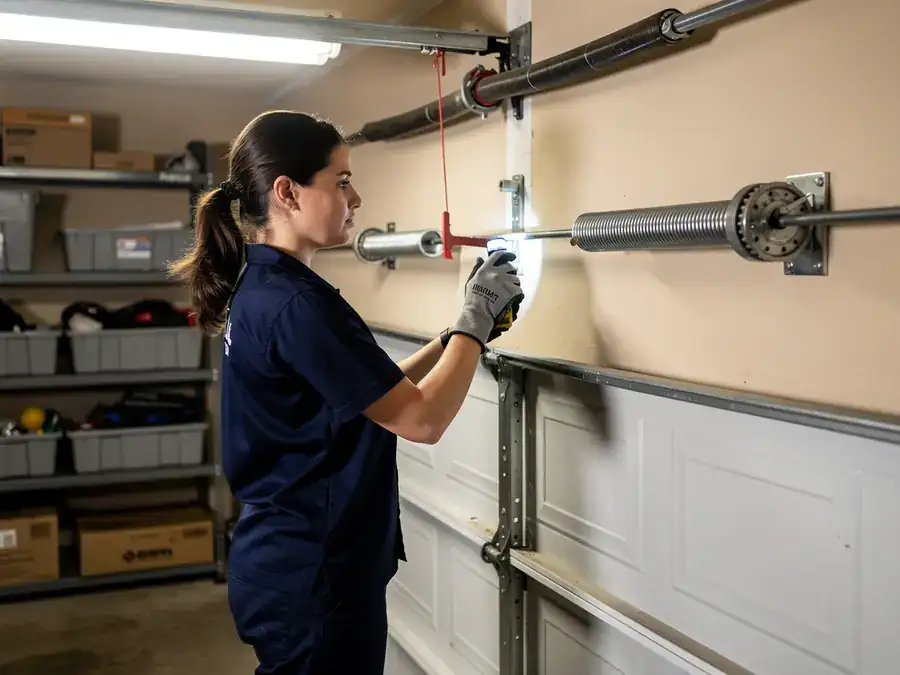
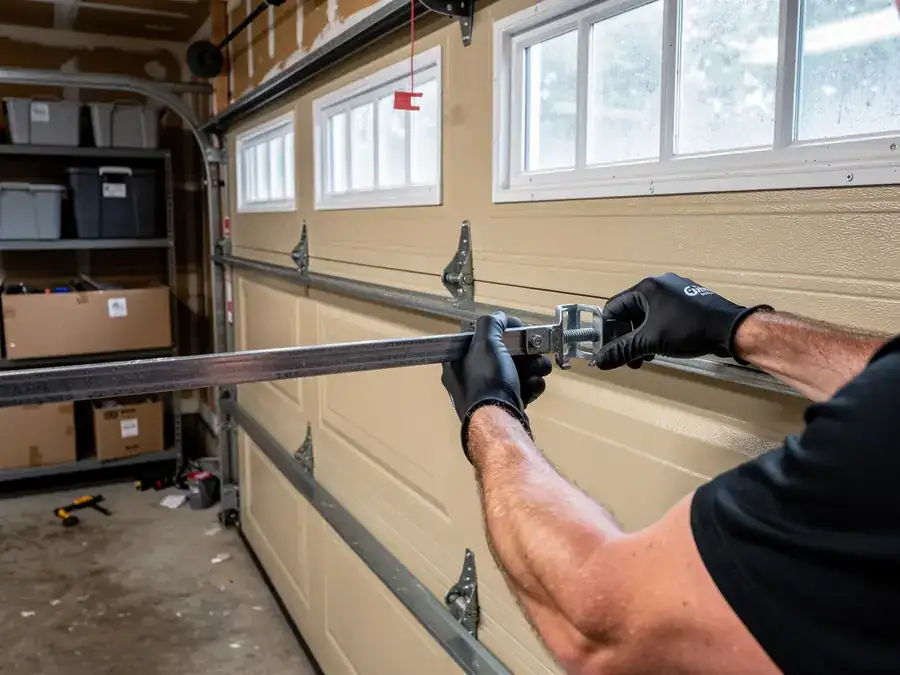
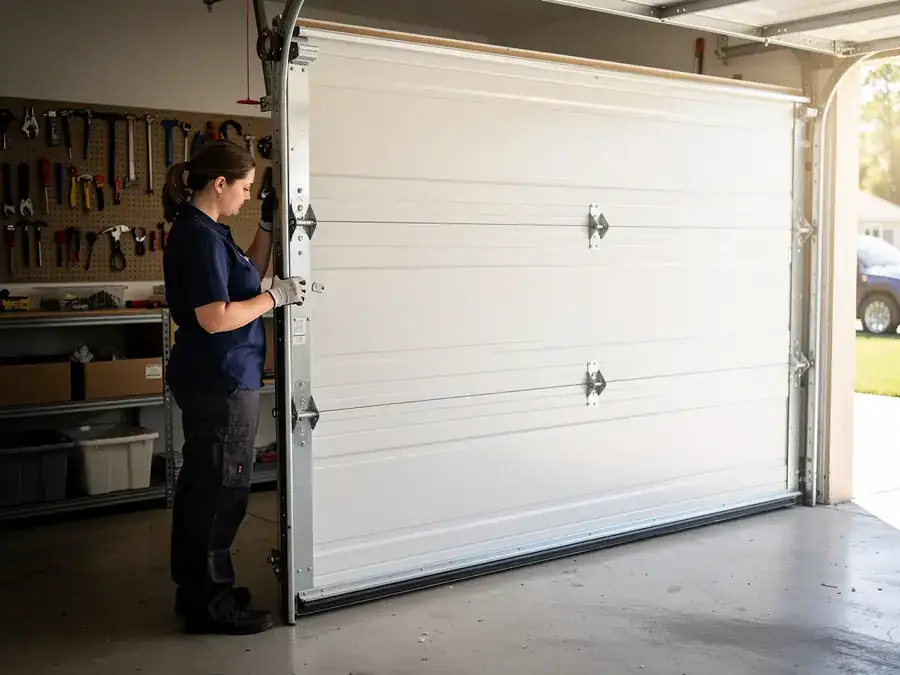
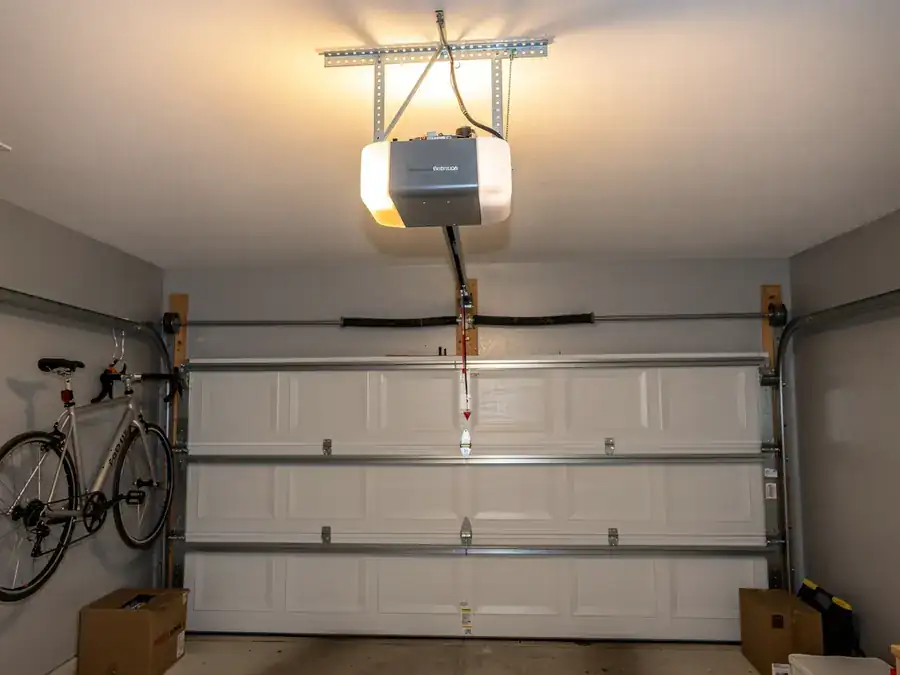
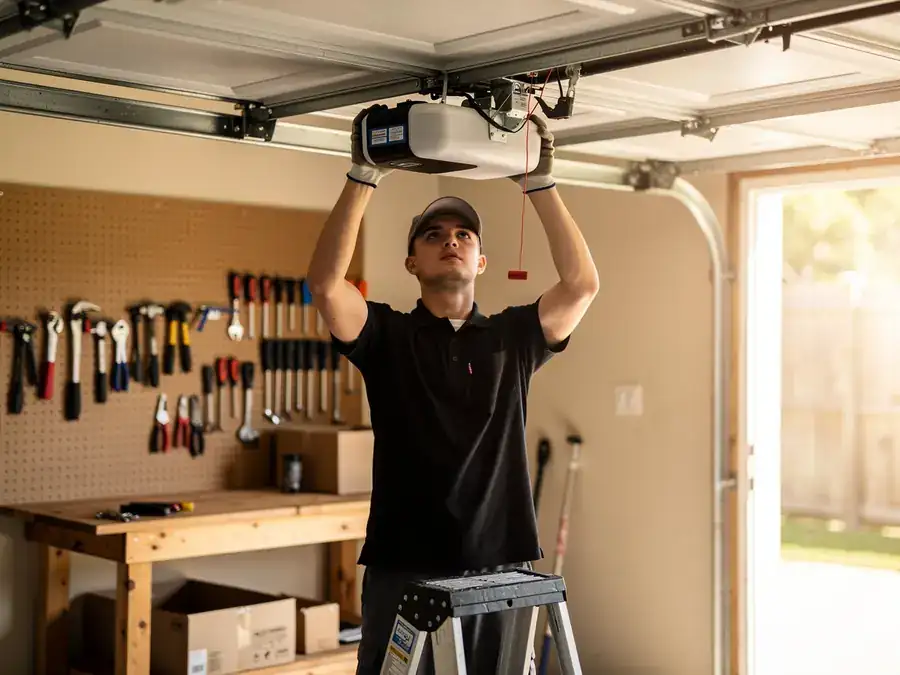
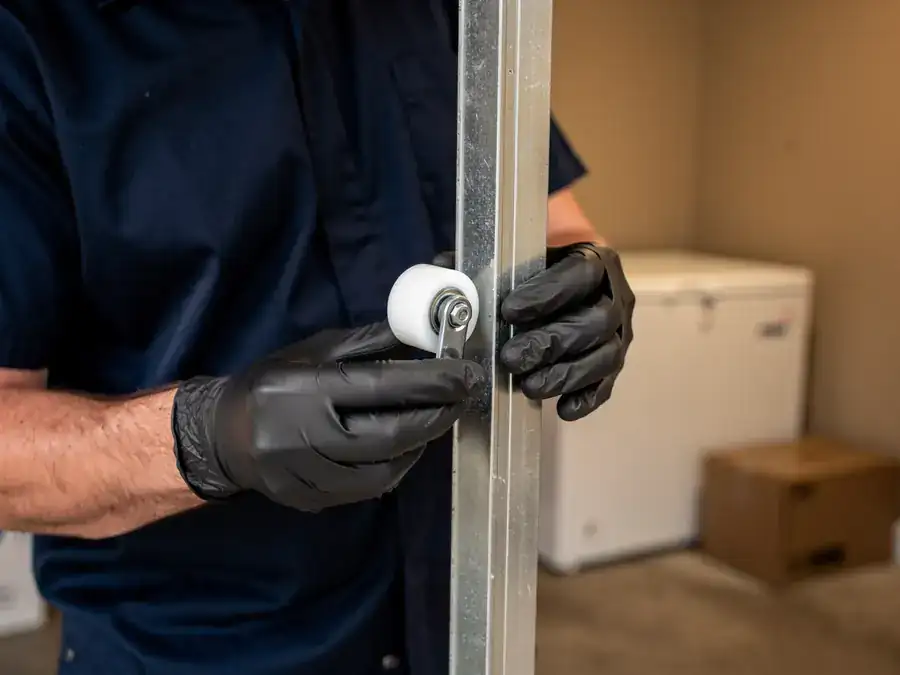
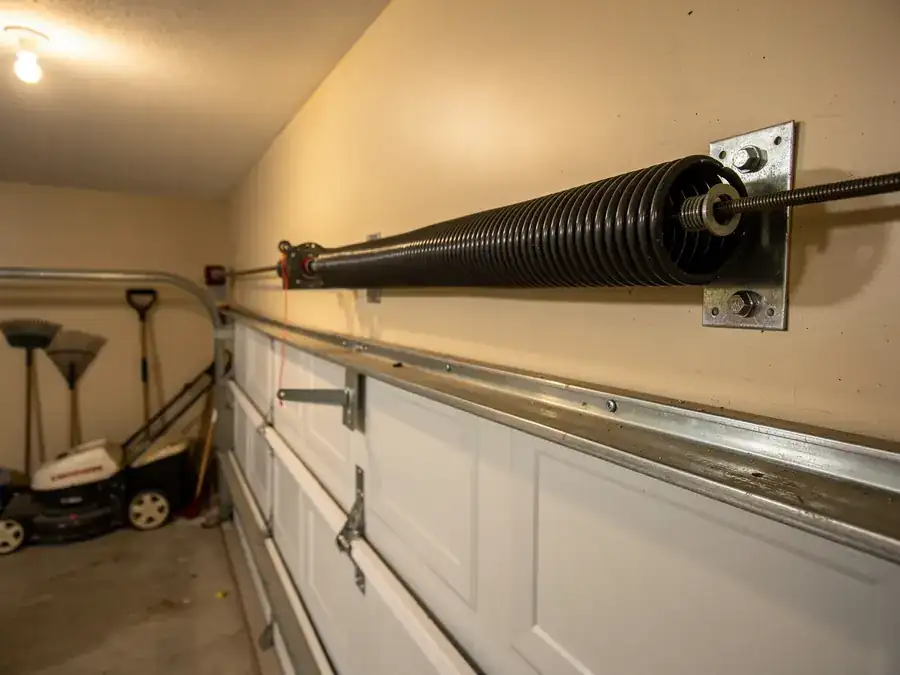
Torsion springs, nylon or steel rollers, the opener's drive mechanism, hinges, and the track alignment that keeps the door from binding. We check cable fray at the drum, test the force settings on the opener, and look at the weatherstrip and bottom seal, since those take the brunt of sun exposure here.
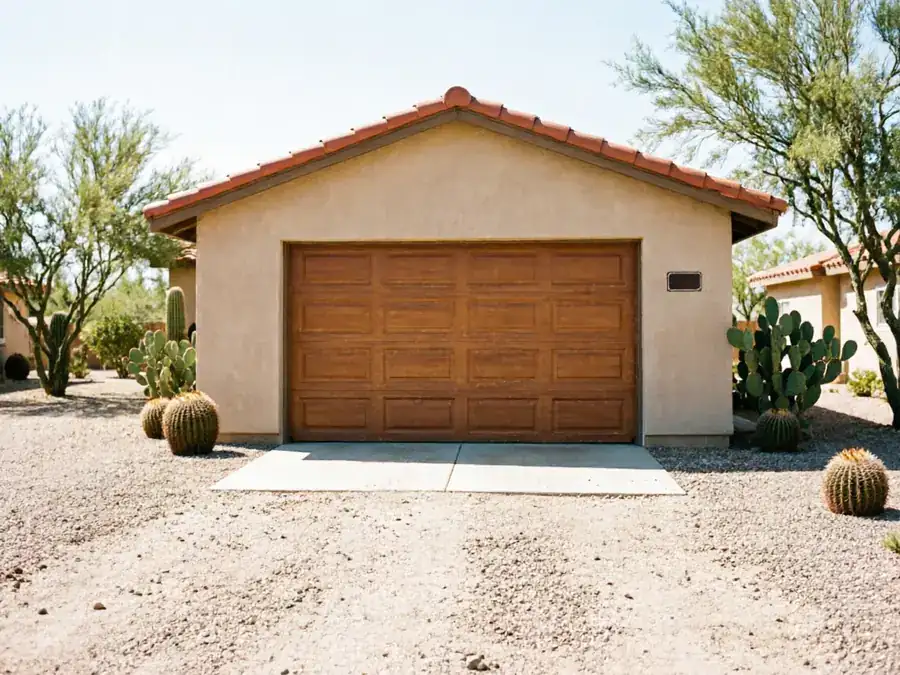
Most of the homes we work on in Henderson went up between 1979 and 2006
With the bulk of that stock dating to the 1980s and 90s across areas. That window matters because it tells us what hardware is likely behind the panel before we ever lift the door - steel torsion springs rated for a specific door weight, and openers that are now old enough to be on their second or third logic board.
We don't replace a whole opener because one sensor is dirty
And we don't sell a new spring set if one side is still within spec. The job is to fix what's worn, not swap parts that still have life in them.
What You Are Seeing
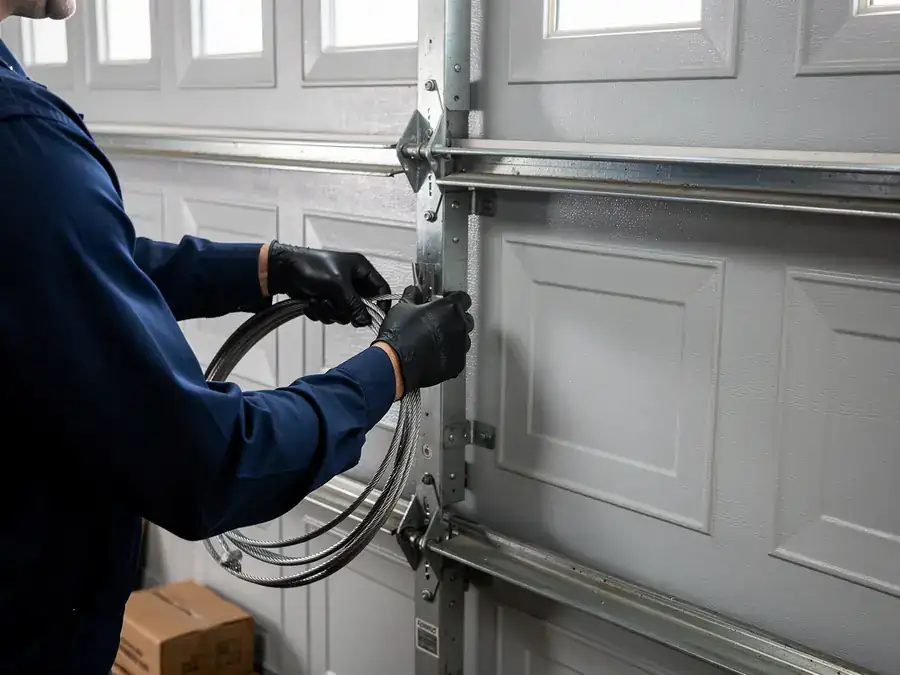
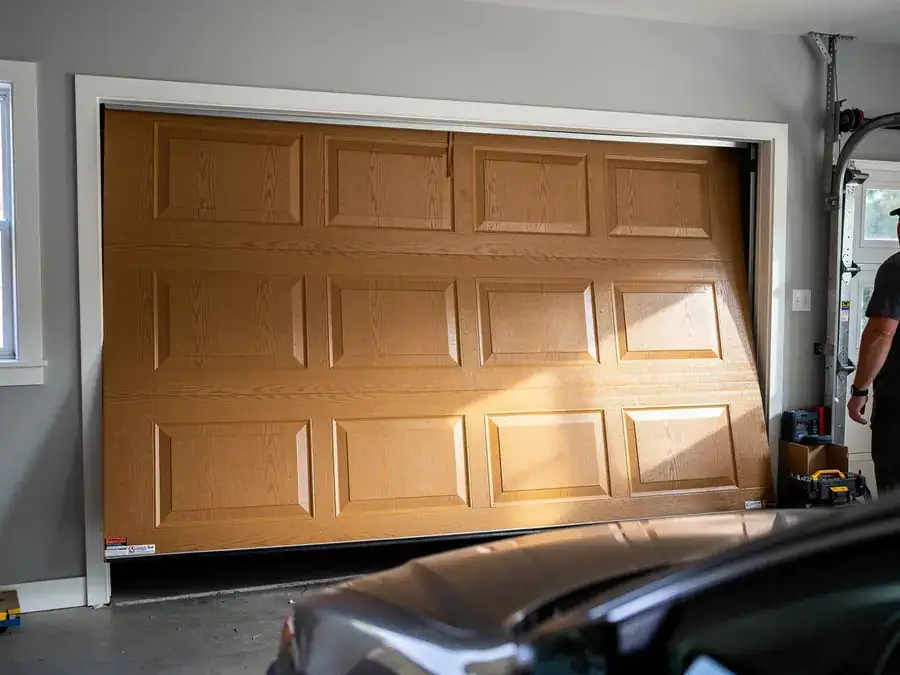
The door is loud on the way up, or it catches a few inches off the floor and reverses. Sometimes it's a spring that's visibly separated at the gap, or an opener that runs the motor but the door doesn't move - a sign the cable or drum has let go. On older torsion setups common in the 1980s-era tracts around Whitney and a dry bearing plate will announce itself with a grinding sound right at the top of the travel.
Heat does its own kind of damage here. Henderson sits in a severe-heat climate band, and that means the plastic idler pulleys, nylon rollers, and opener drive belts age faster than they would somewhere milder. UV breaks down the rubber bottom seal, and repeated thermal expansion on steel tracks can shift bolt alignment over the years - not dramatically, but enough to cause binding that wasn't there last summer.
The DIY Question
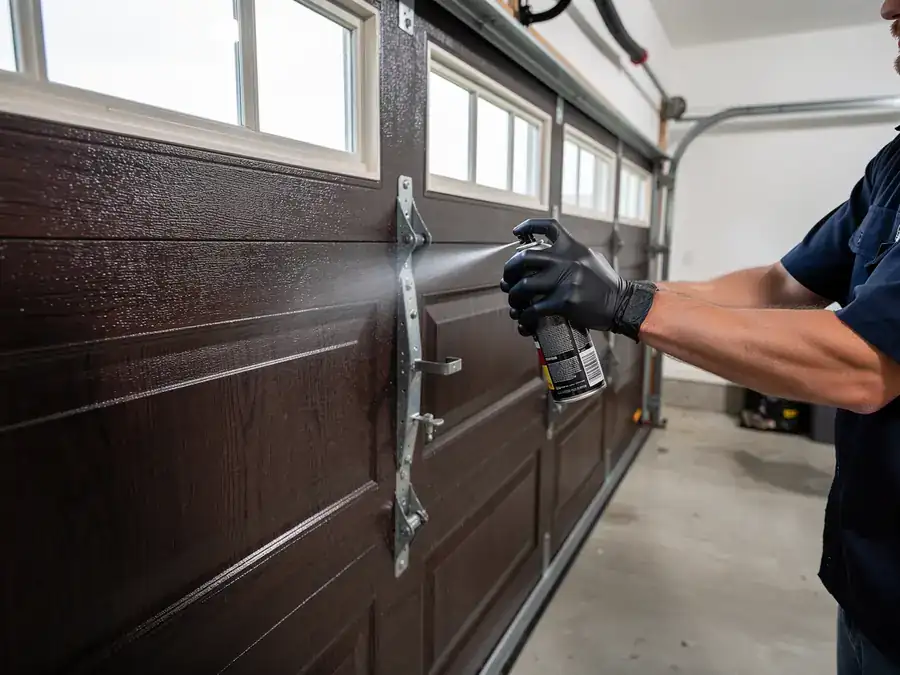
Some of this is reasonable to handle yourself: lubricating hinges and rollers, tightening loose track bolts, cleaning the photo-eye sensors. None of that requires a call.
A torsion spring is not in that category. It's wound under enough tension to break a bone or worse, and the winding bars and clamping steps aren't something to learn on your own garage. If the door is heavier than it should lift by hand with the opener disconnected, or if a cable has frayed, that's a call, not a weekend project.
We'll also say plainly: if your opener is old enough that replacement parts are backordered or discontinued, sometimes the honest answer is a new opener rather than a repair that costs most of what a new unit would.
Why This Fails Locally
The reason this fault pattern shows up so often in Henderson isn't bad luck
It's the combination of housing age and climate. Homes built in the 1979-2006 window, especially the 1980s and 90s stock that makes up most of the areas we see work in, are now old enough that original springs, drums, and cables are past or near their rated cycle count. At the same time, the severe-heat band this area sits in accelerates wear on the plastic and rubber components faster than it would in a milder region, so the mechanical fatigue and the climate fatigue hit at the same time instead of years apart.
That's different from a newer subdivision where the hardware still has years left
Or a cooler climate where the rubber and plastic parts don't degrade as fast. In Henderson, a 1990s-era torsion spring paired with 15+ summers of consistent severe heat is a specific, predictable failure - not a random one.