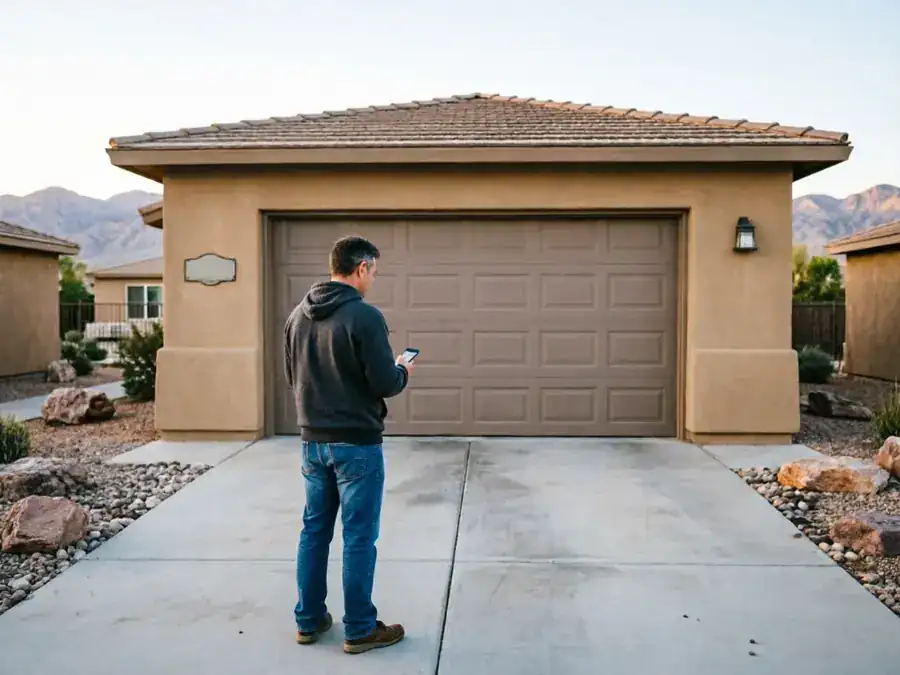
Checking It Yourself
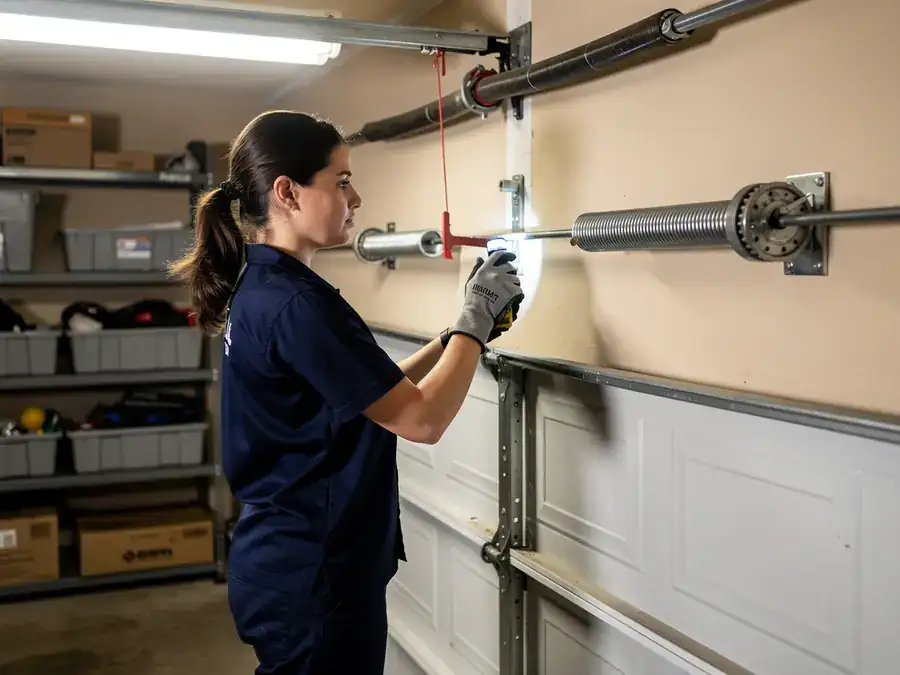
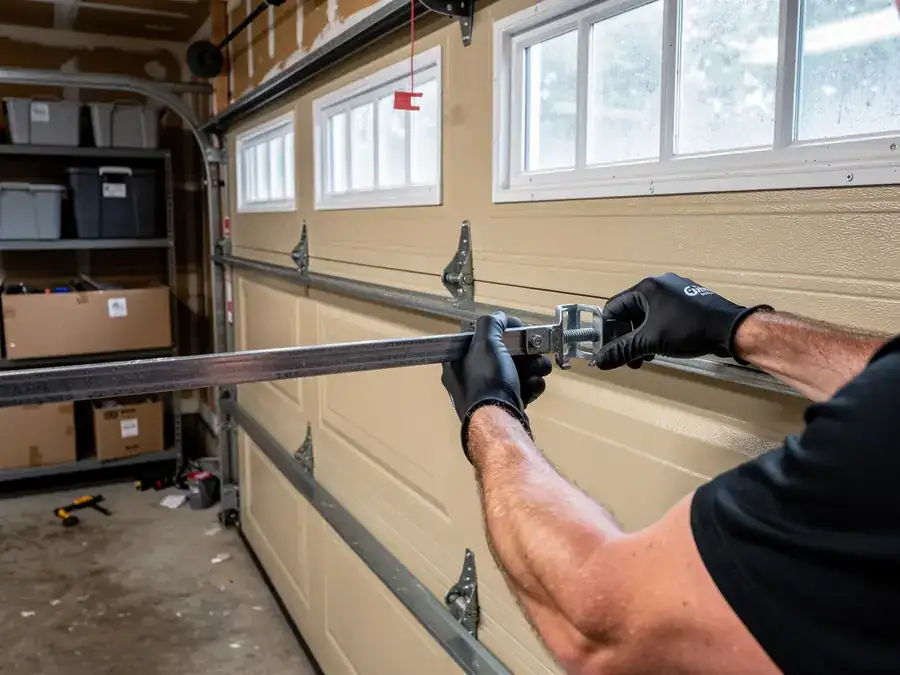
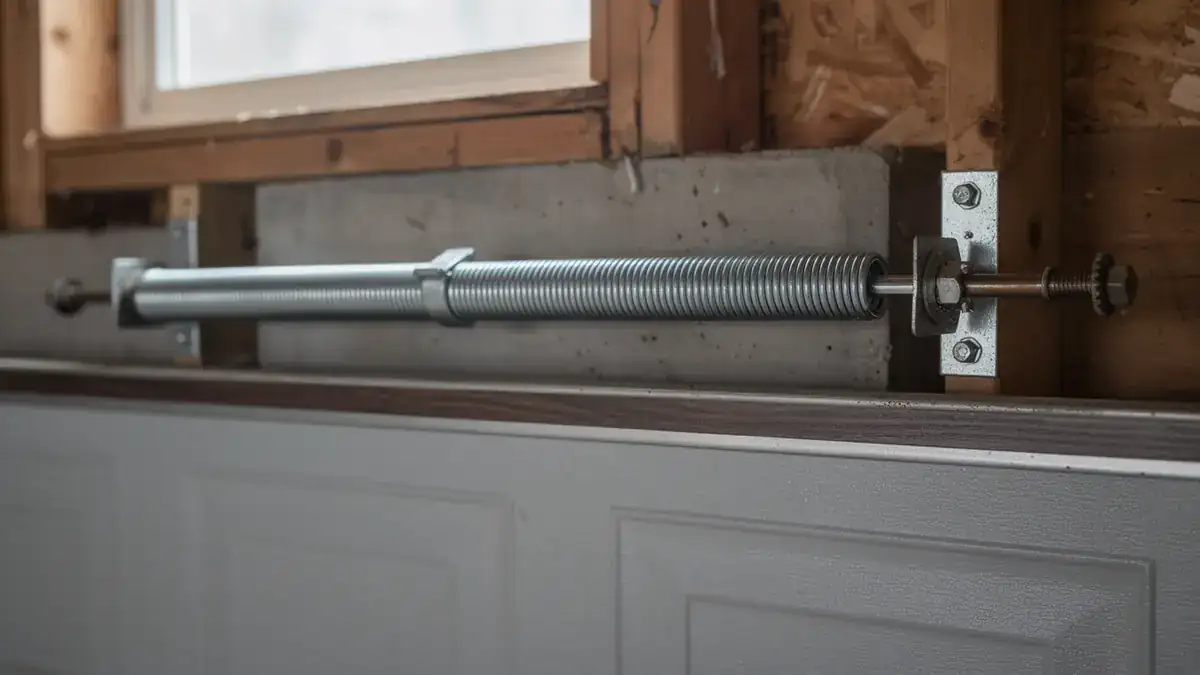
Walk out to the garage and look at the torsion spring above the door
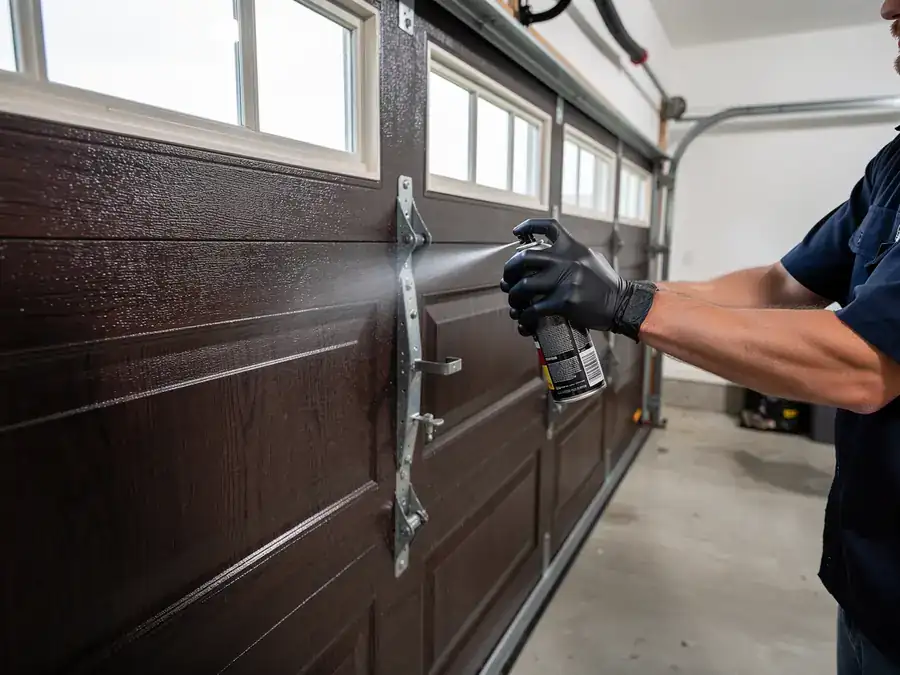
The thick coiled bar running across the header. Check for a visible gap in the coil, a flat spot, or rust flaking off in chunks. If the door feels heavier than it used to when you lift it by hand with the opener disconnected, the spring is losing tension even before it fails outright.
Most houses in this part of Henderson
Including the areas around went up between 1979 and 2006, with the bulk clustered around 1994. That means a lot of original torsion springs are now pushing 20 to 45 years old. Steel fatigues on a curve, not a cliff - it loses maybe five percent of its lift over a decade, then drops hard in the last stretch. You won't feel the slow part. You'll feel the sudden part.
- 45 years
One honest limit here
A visual check tells you if a spring is near the end, not exactly when it'll go. We can measure wind tension and wire gauge on site, but nobody can hand you a date. If the coil looks tired and the door's over 20 years old, plan the swap before it plans it for you.
- 20 years
What Is Going On
A torsion spring stores energy by staying wound tight. Cold metal contracts, and a spring that's already fatigued from two or three decades of cycling has less give left to absorb that contraction. On a cold Henderson night, after the temperature drops faster than the garage itself cools, an old spring that was already down to its last few working coils can let go - often with a loud bang that owners describe as a gunshot in the garage.
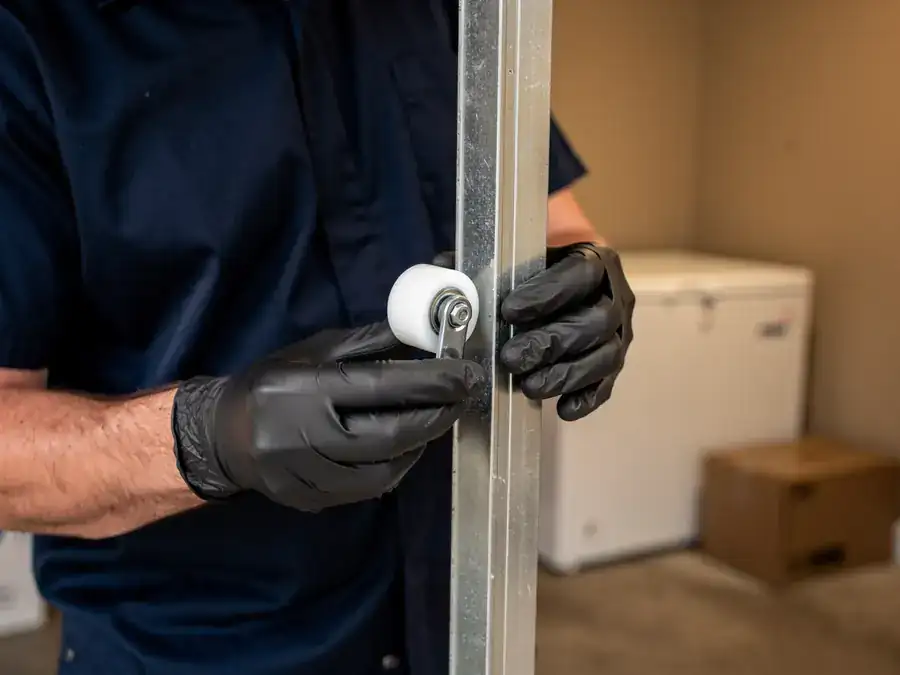
This isn't a defect in the spring. It's just where steel fatigue and a temperature drop meet at the same moment. Houses built in the 1994 median year for this area are hitting the age bracket where original hardware - spring, cable, sometimes the original rollers - is due for replacement regardless of weather. Cold doesn't cause the failure. It's the trigger that catches a spring already near its limit.
If your door is original to a house from the 1980s or 90s stock common across the eight named areas here, the spring inside it has absorbed roughly 10,000 open-close cycles a decade for two to four decades. That's the real story - the cold night just picks the night.
What Local Conditions Do
Henderson sits in a climate band classed as severe heat, which means the bigger daily stress on garage hardware most of the year is sun and heat-cycling on the door panel and track, not cold. But severe heat climates also run wide day-to-night temperature swings, and that swing is what matters for a spring at the end of its life. A coil that spent the afternoon at garage temperatures well above ambient, then drops fast after sundown, goes through more thermal stress in those few hours than a milder climate sees in a week.
Across the roughly 115,140 owner-occupied houses in this service area, the springs under the most stress aren't in the newest subdivisions - they're in the stock from the 1980s and 90s that's absorbed the most heat-cool cycles over the years. A $66,312 median household income means most owners are weighing a full spring-and-cable job against a patch repair, and for hardware this old, patching one side usually just means the other side goes next.
The Seasonal Bit
The failures we see cluster at the start of the cooler stretch of the year, not the dead of summer
That's the point where a spring that spent months expanding and contracting in the heat finally meets a sharper overnight drop, and whatever coils were left just give out. If your door is original to a build from the 1979-2006 window common across this area, that first cold snap of the season is a reasonable prompt to get the spring looked at, not waited out.
Waiting isn't free
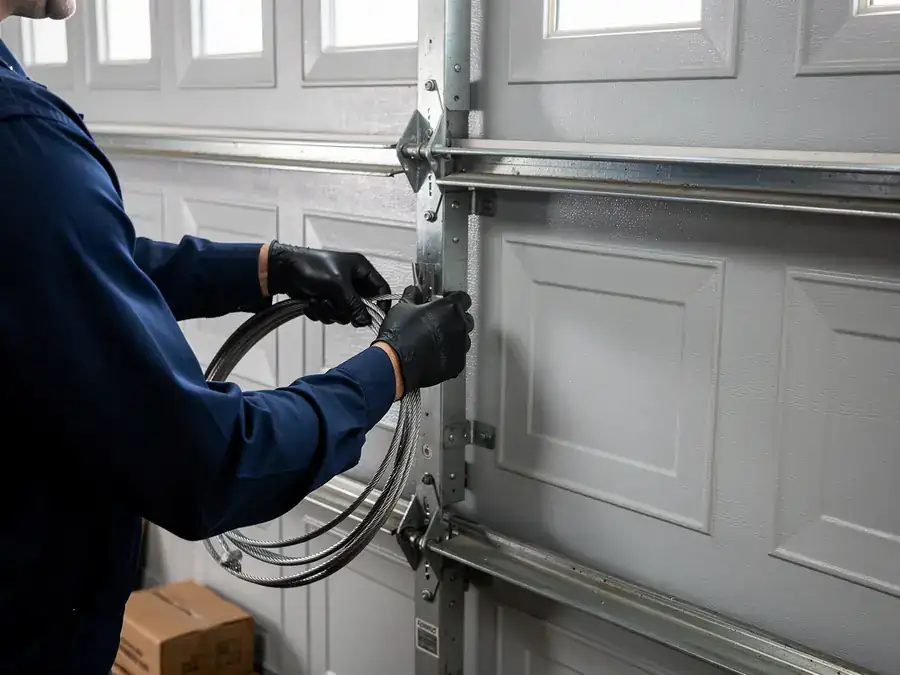
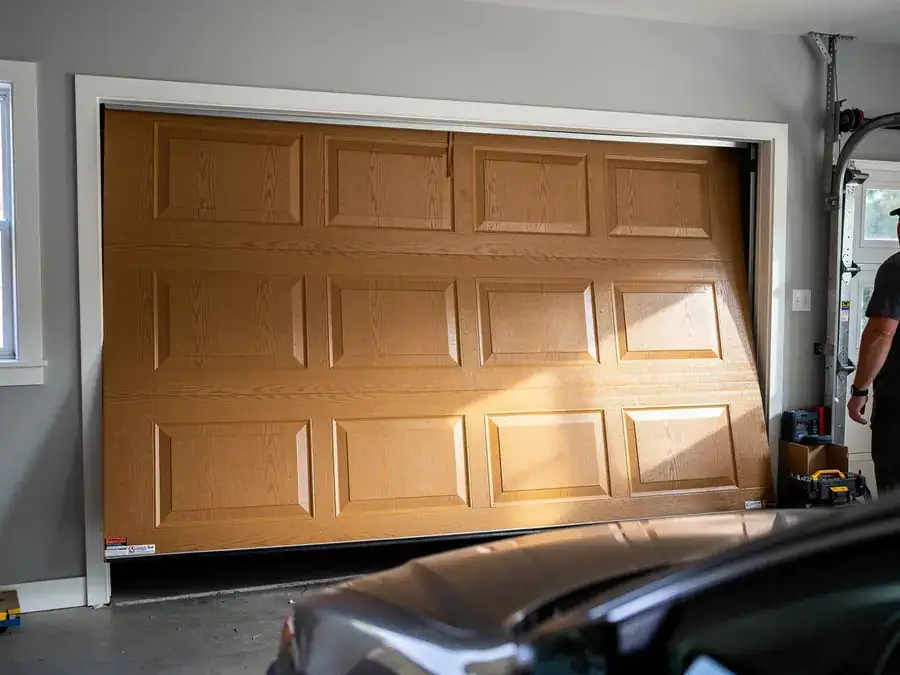
A spring that snaps under load can bend the track or crack a panel on the way down, turning a straightforward spring swap into a bigger job. It's also not a fix you want to attempt solo - torsion springs are under enough tension to cause real injury, which is the one part of this we tell every caller, no exception.
We don't push replacement on hardware that still has life in it
If the coil's intact and the door lifts clean, there's no reason to swap early just because the calendar turned. But once you've seen the gap in the coil, the next cold night is when it tends to go.