What the Fix Involves
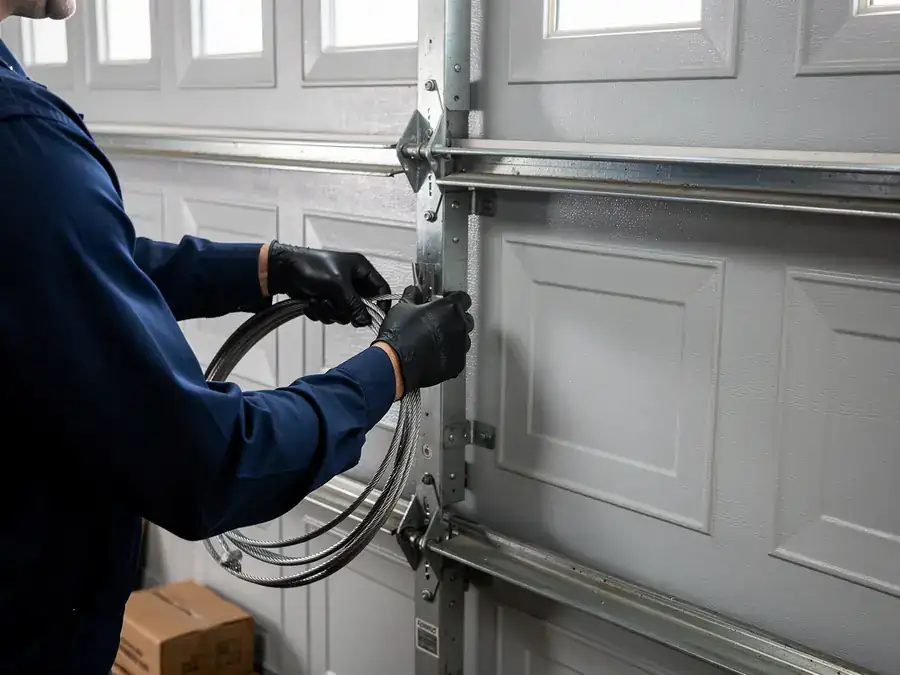
A garage door lift cable runs from the bottom bracket of the door, up around a pulley or over the drum
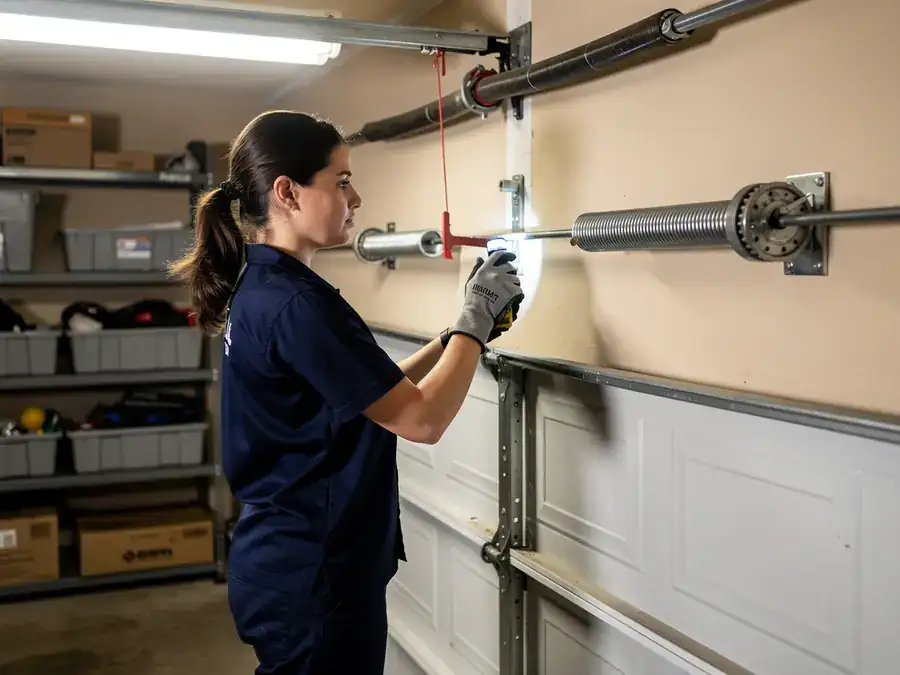
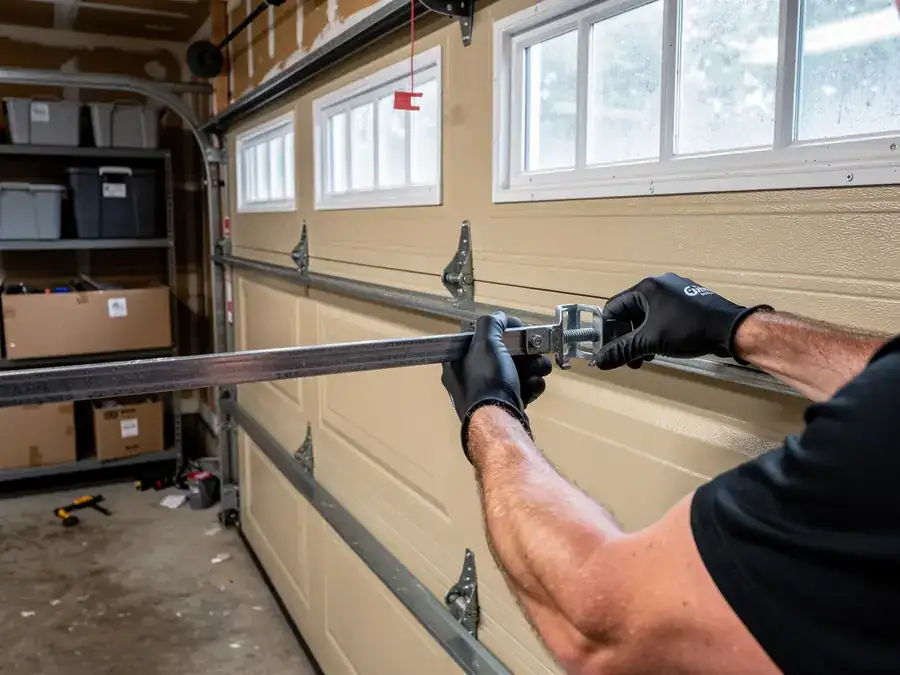
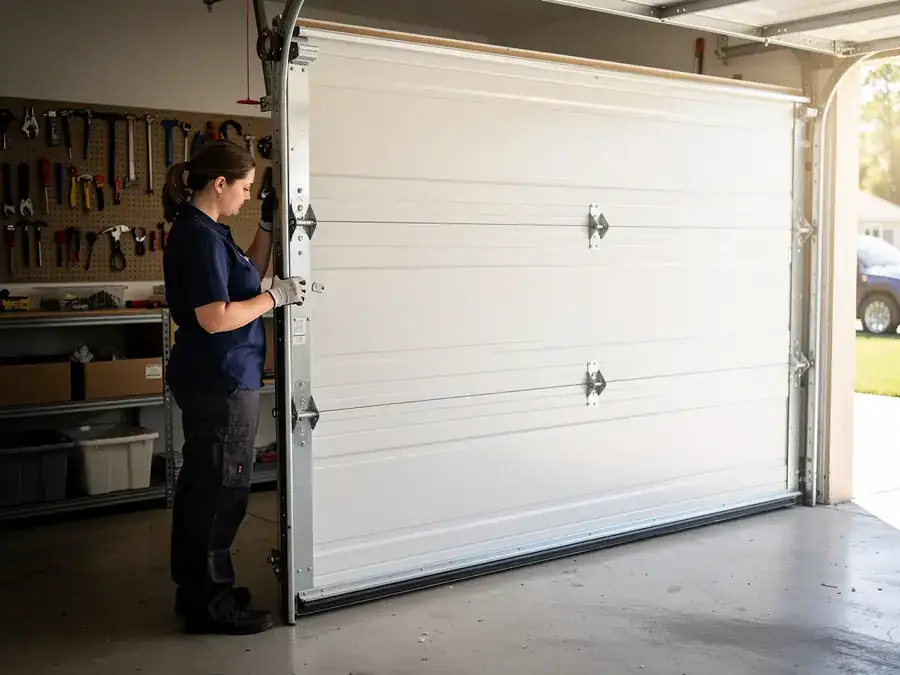
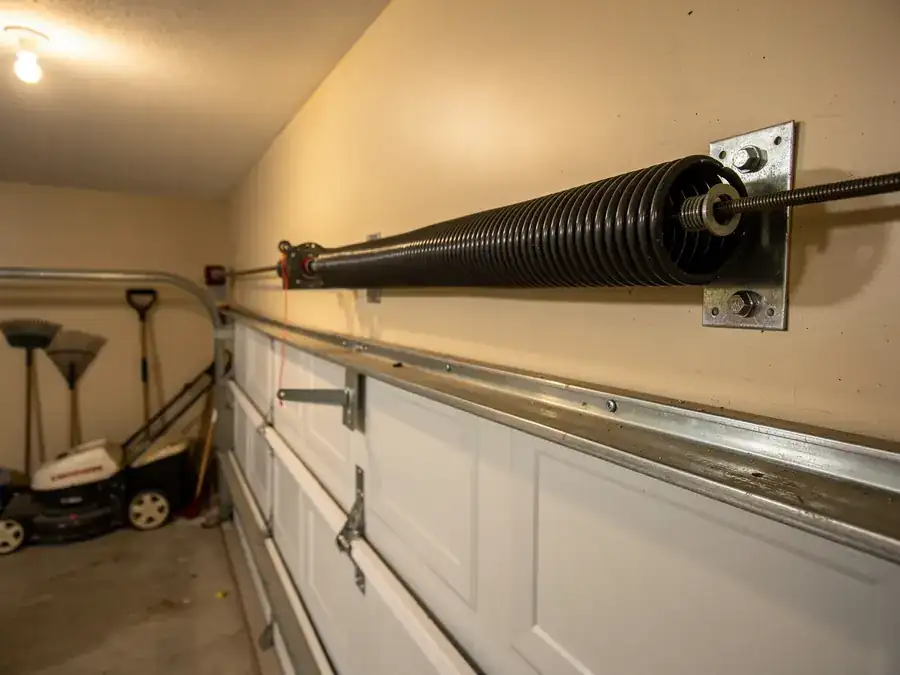
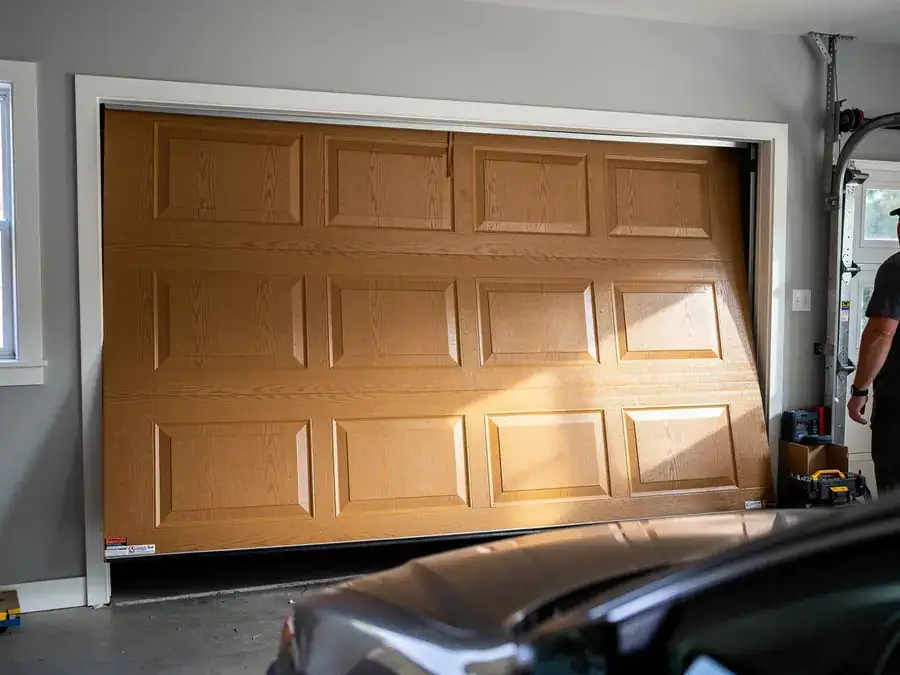
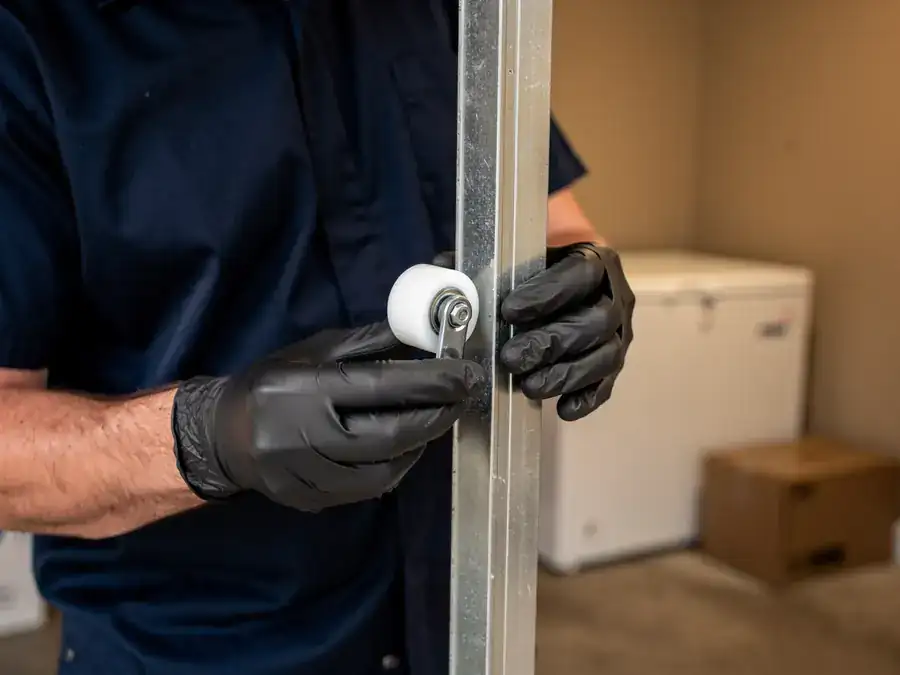
And ties into the torsion spring system that actually carries the door's weight. When a cable frays or snaps, the door doesn't fall freely in most cases - it tips or jams because the other cable is still holding one side. The repair means releasing spring tension safely, pulling the old cable off the drum and bottom bracket, running new galvanized cable at the correct length, and reseating it with the drum set screws torqued the way the manufacturer spec calls for.
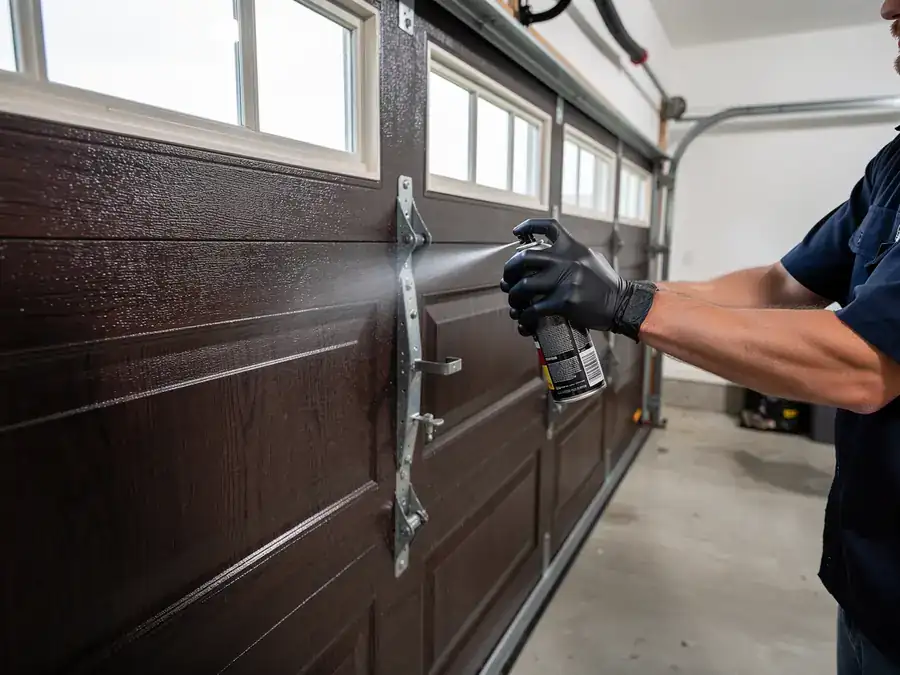
We also check the pulley or bearing the cable rides on
Because a cable that failed from wear usually failed because something upstream was already rough or dry. Replacing the cable alone and ignoring a gouged pulley just buys you a few more months before the next failure.
On two-car doors with a center support, both cables get matched
Mismatched cable diameter or length is one of the quieter ways a door ends up running crooked on the track. We don't replace one cable and call it done; we look at the pair, the drums, and the spring condition in the same visit.
What You Are Seeing
Most calls for this start with one corner of the door sagging lower than the other, or the door refusing to sit flush at the bottom of the track. Some owners hear a sharp snap first, followed by the door locking up mid-travel. Others notice the cable itself - frayed strands poking out near the bottom bracket or the drum, sometimes with rust-colored dust on the garage floor below where strands have been shedding for weeks before the final break.
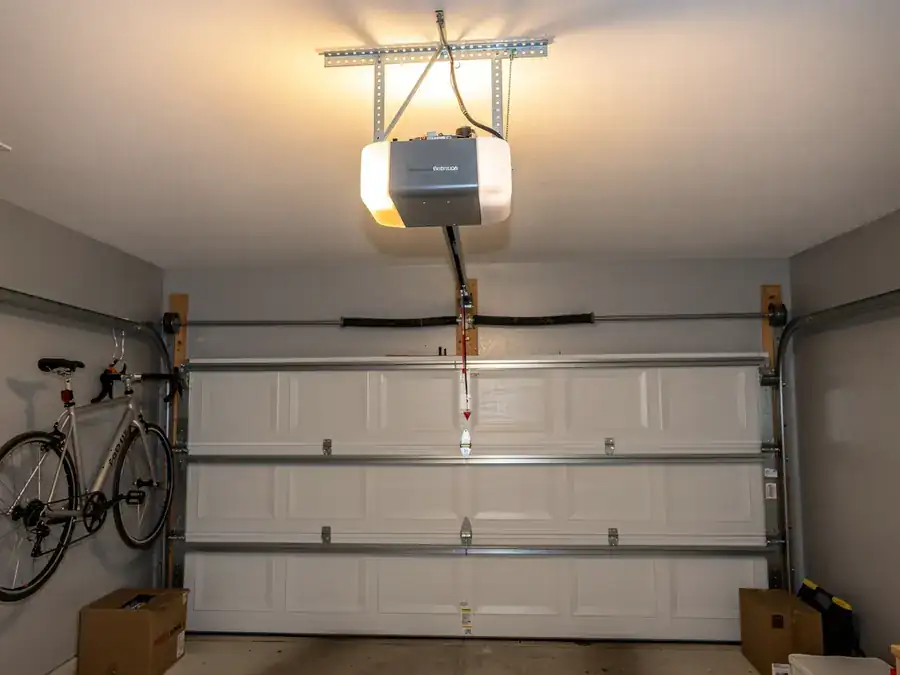
If the opener is still trying to run the door after a cable has gone, you'll often hear the motor straining against a door that won't move, or see the door open a few inches unevenly and stop. That's the opener doing exactly what it's built to do - it just can't compensate for a door that's lost one of its two support points.
The DIY Question
A broken lift cable means the door is under spring tension with one less thing holding it in place, and that's not a safe DIY repair. Torsion springs store enough force to cause a serious injury if they release while you're working near them, and winding or unwinding one without the right bars and clamps is where most garage door injuries happen - not from the cable itself.
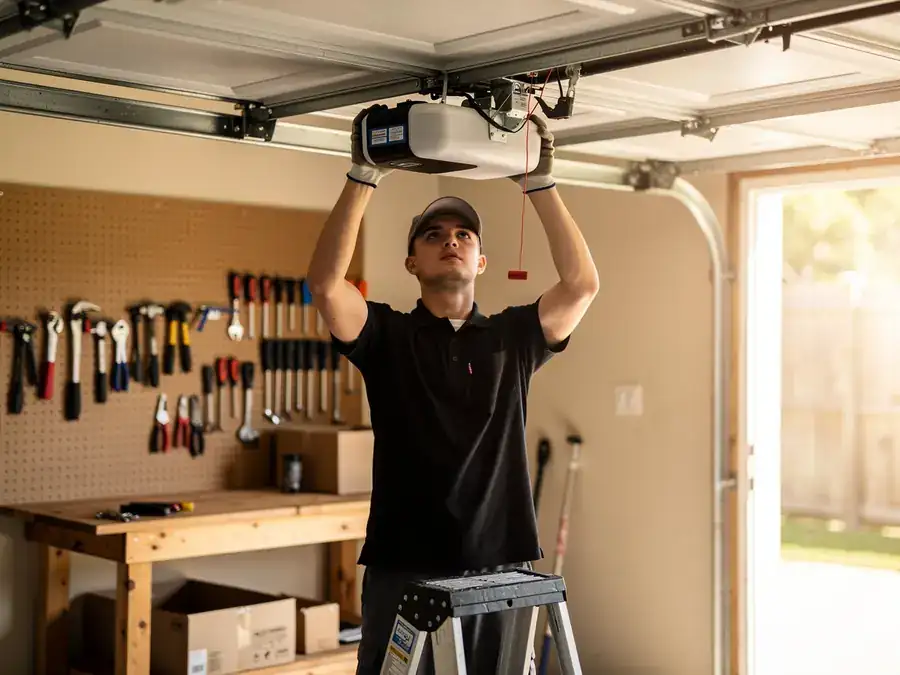
If the door is already down and stable, the safe move is to leave the opener unplugged, keep the area clear, and not try to force the door up by hand. That's about as far as a homeowner should go before calling someone who does this daily. We'd rather talk you through making the garage safe over the phone than have you improvise a fix with a ladder and a pair of pliers.
Why This Fails Locally
Henderson's housing stock mostly went up between 1979 and 2006
With a lot of it clustered in that 1980s-90s wave. Garage doors installed during original construction, or during a remodel in that window, are old enough now that factory lubricant on cables, drums, and pulleys has long since dried out. Add in the severe summer heat this area sees, and you get cable housing and galvanized coating that cycles between extreme heat and cooler nights for months at a stretch - that thermal cycling is what dries grease faster than it would in a milder climate and accelerates the fraying you'd otherwise not see until the door was much older.
Across the roughly 115,140 owner-occupied houses in this service area, that combination
Original-era hardware plus sustained heat exposure - means cable wear shows up earlier and more often than it would somewhere without the same heat load. It's not that the parts are cheap; it's that the climate here works them harder than the spec sheet assumed.
- 115,140 owner-occupied