Where We Stop
Spring Valley sits about 14 miles from our shop in Henderson
And we make the drive out on a regular basis. We're upfront that this isn't a neighborhood we're based in - there's no depot here, no truck parked around the corner. What we offer is a scheduled visit from a crew that knows the drive and knows what's waiting at the other end of it. If you need a same-day emergency fix on a holiday weekend, call and ask what's open on the schedule rather than assuming - we travel from Henderson for every job here, and that's baked into how we plan the day's route.
- 14 miles
That said, 14 miles is a normal service radius for us, not a stretch
We send techs out this way often enough that the trip itself isn't the bottleneck; availability on a given day is. If you're comparing us to an outfit that's physically closer, ask them what their parts truck actually carries, because that matters more than how many miles separate your house from a lobby.
- 14 miles
How That Shows Up in the Door
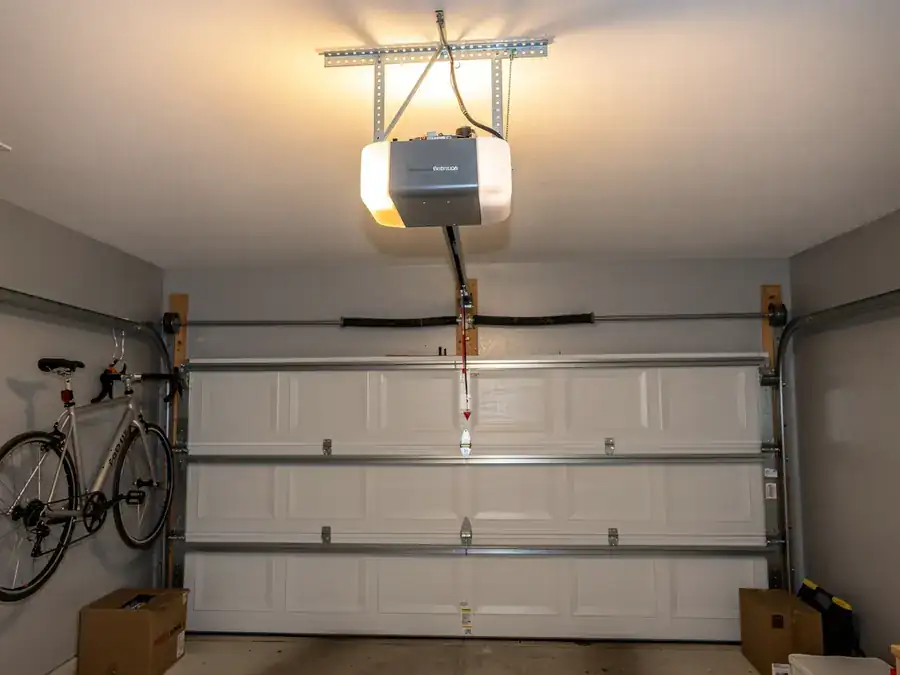
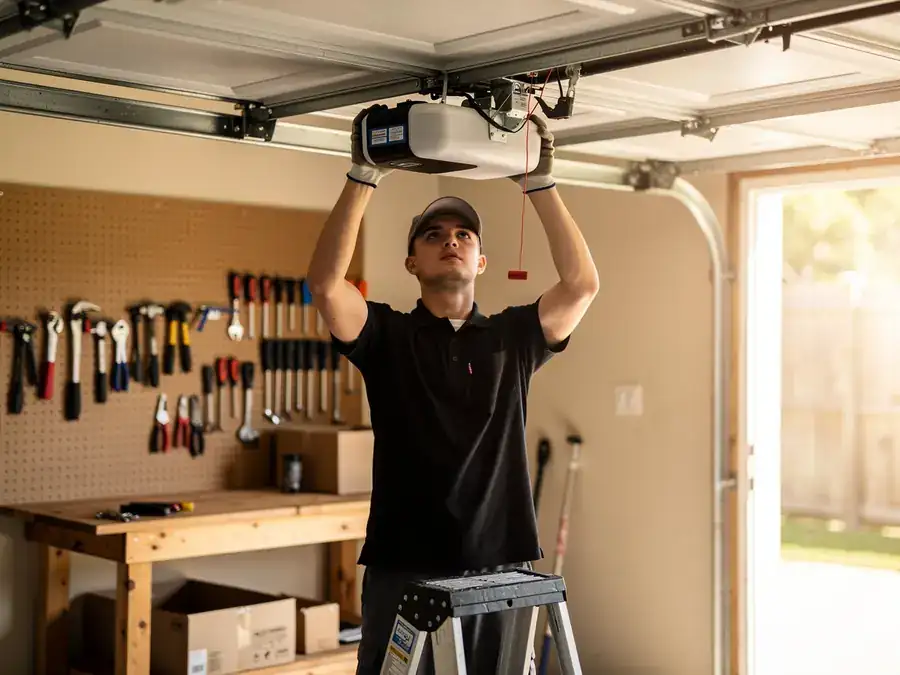
Spring Valley's housing stock runs newer than a lot of the areas we cover from Henderson - the median build year here lands around 1998, compared to the 1994 median across the wider service area. That ten-year window matters. Doors from the late 1990s typically came with torsion springs rated for the heavier insulated panels that were becoming standard, and openers from that era are often chain-drive units nearing or past their expected lifespan, not the belt-drive models going in on new construction today.
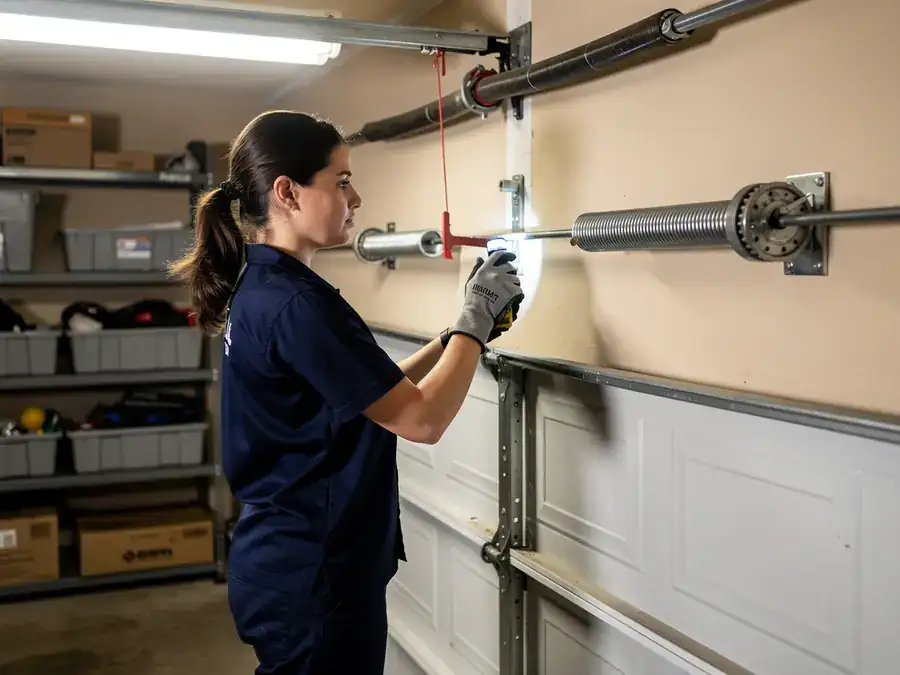
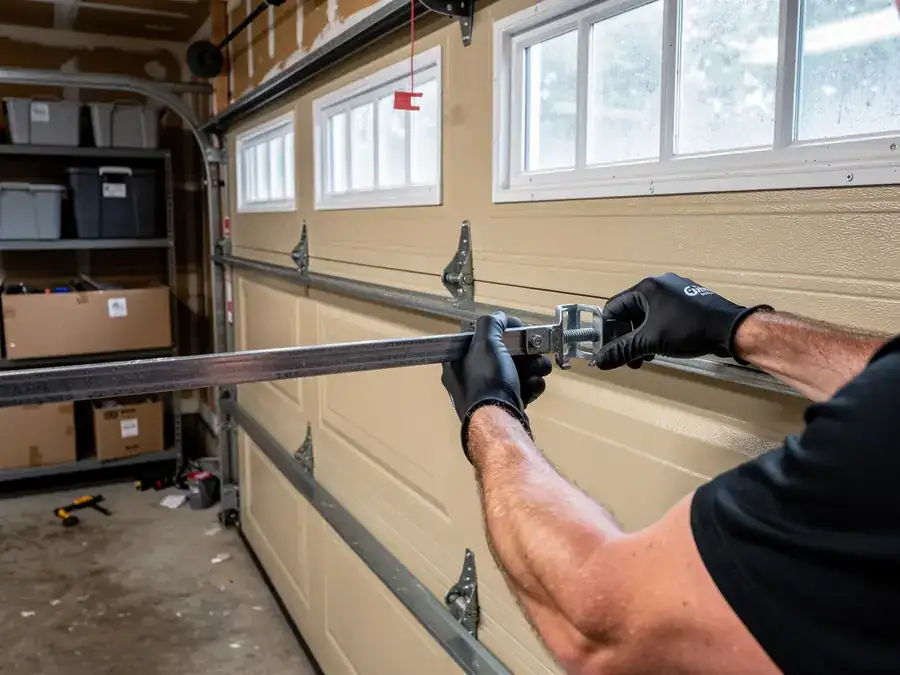
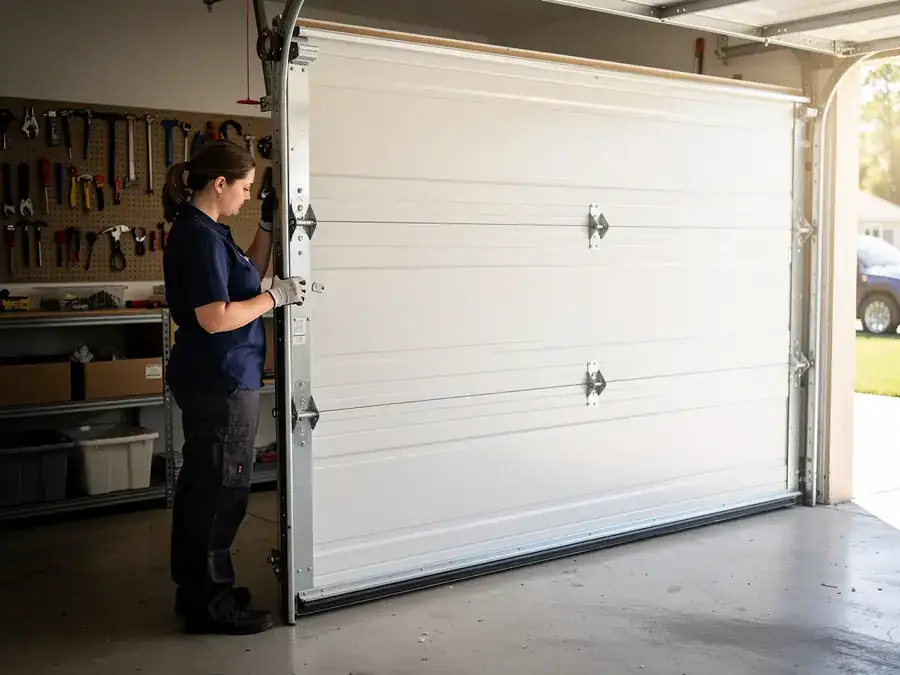
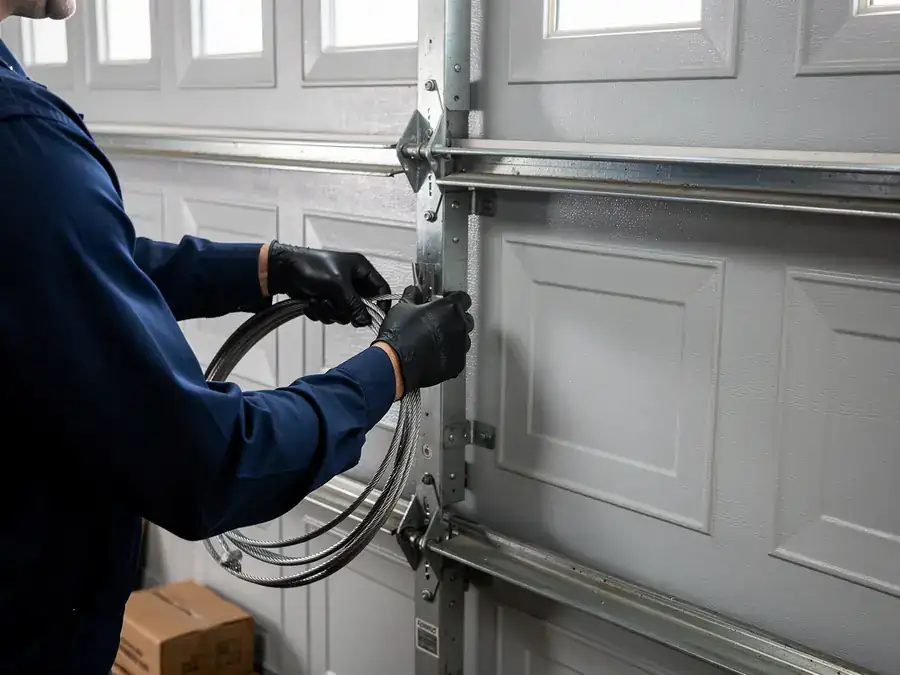
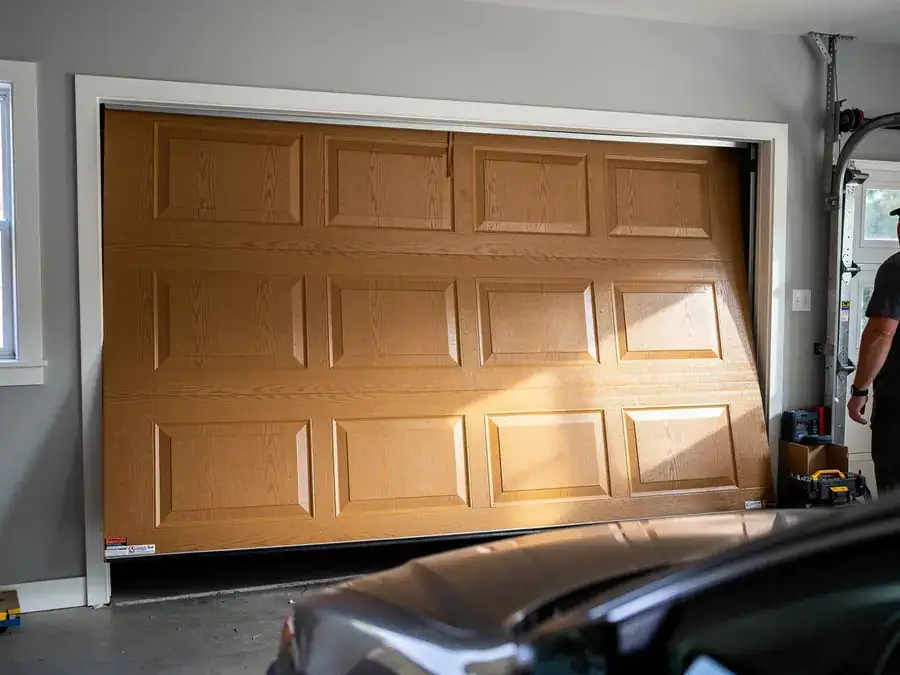
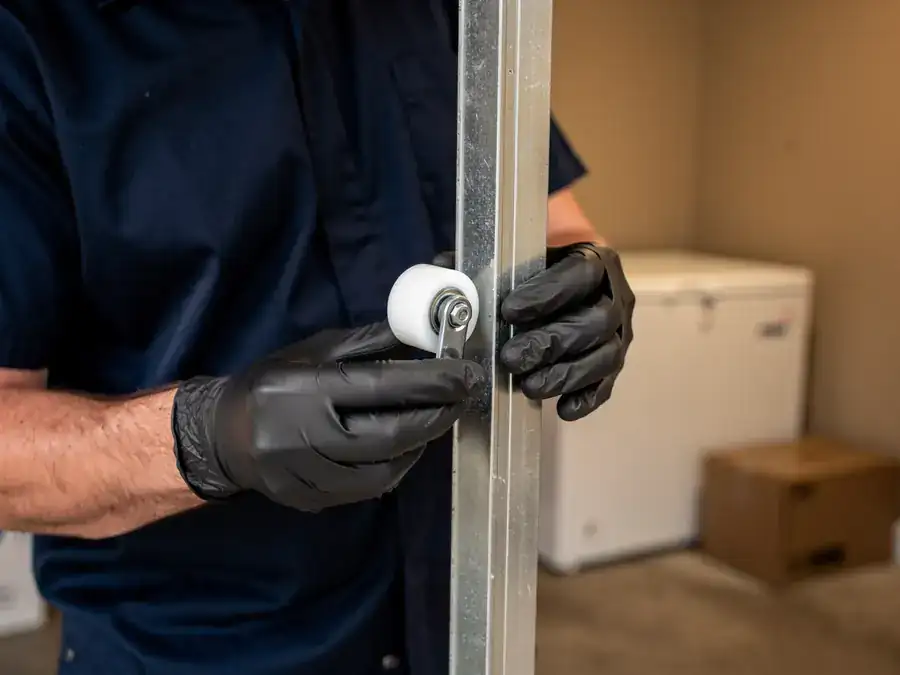
What that means in practice: we're not showing up to pry open 1970s side-mounted hardware here the way we might elsewhere. We're more often dealing with original torsion springs that have simply run their cycle count, worn nylon rollers on steel tracks, and first-generation circuit boards in openers that have been running through brutal summers for over two decades. The fix is usually more straightforward than it is on an older house, but the parts are old enough now that a straight swap isn't always on the shelf.
What Was Built Here
With a median household income of $72,364 and roughly 87,275 households in the area, Spring Valley skews toward owner-occupied homes built in a fairly tight construction window - the late 1980s through the 1990s. That consistency is actually useful for us: when a street's houses went up within a few years of each other, the garage doors and openers tend to fail in the same ways around the same age, which is part of why we can diagnose a lot of these jobs quickly once we're on site.
The area sits close to Whitney, about 6 miles off, and within the broader ring that includes Paradise and Enterprise at roughly 11 miles each. None of that changes what's behind your garage door, but it does mean the parts and labor patterns we see in Spring Valley track closely with what we see in those nearby pockets - similar builders, similar decades, similar hardware showing up on the bench.
What Neighbours Usually Call About
The climate here falls in the severe heat band
And that's the single biggest factor in what breaks. Garage doors in this area take a beating from repeated summer heat cycles - springs lose tension faster than the rated cycle count suggests, and opener logic boards sitting in an uninsulated garage ceiling can fail from heat stress well before anything mechanical gives out. We also see nylon rollers go brittle and crack rather than simply wearing down, which is more of a heat-fatigue failure than a mileage one.
We won't tell you every noisy door needs a new opener
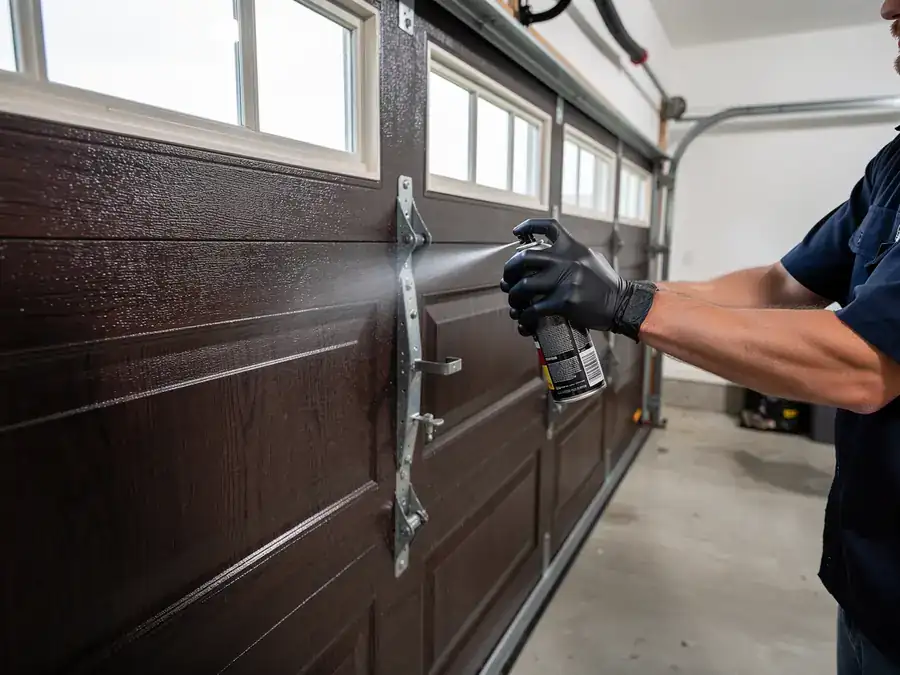
Plenty of the calls we get turn out to be a lubrication and roller job that takes less than an hour. But if your opener is original to a house built in the late 1990s, replacing it before it fails during a July heat spell is usually cheaper than an emergency call after it quits with the car trapped inside.