How That Shows Up in the Door
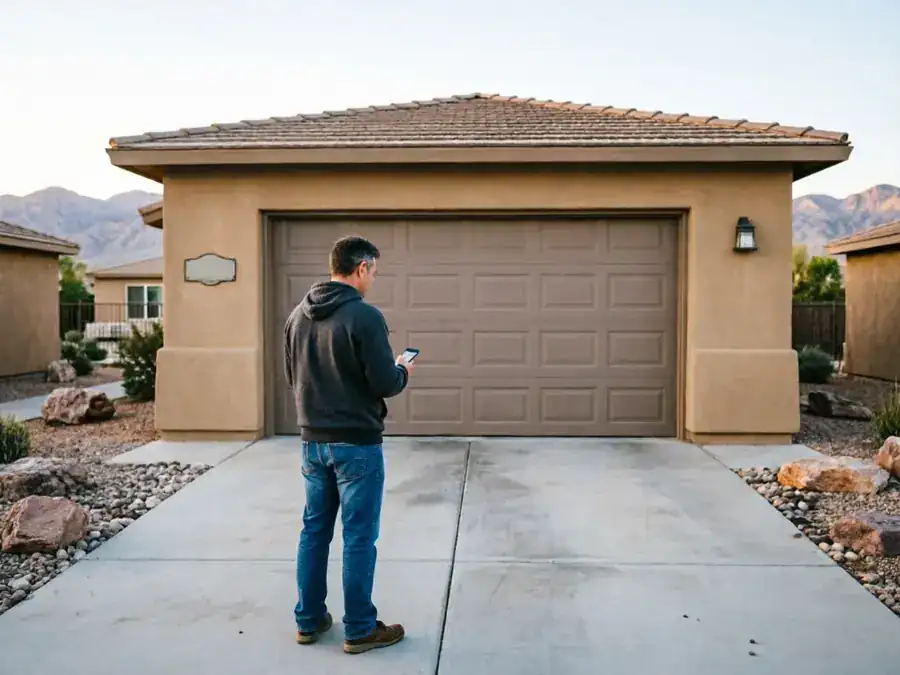
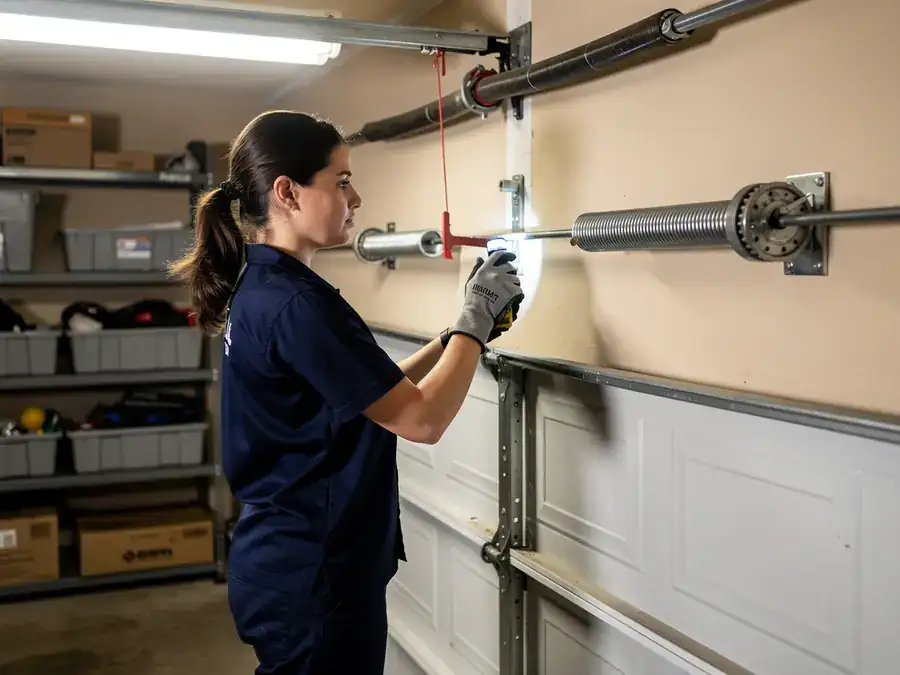
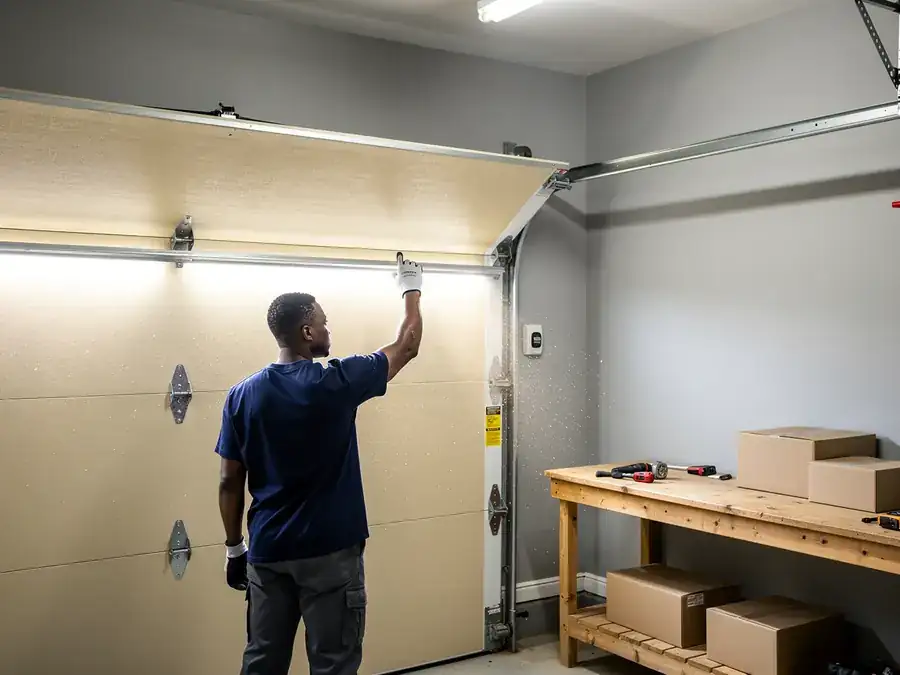
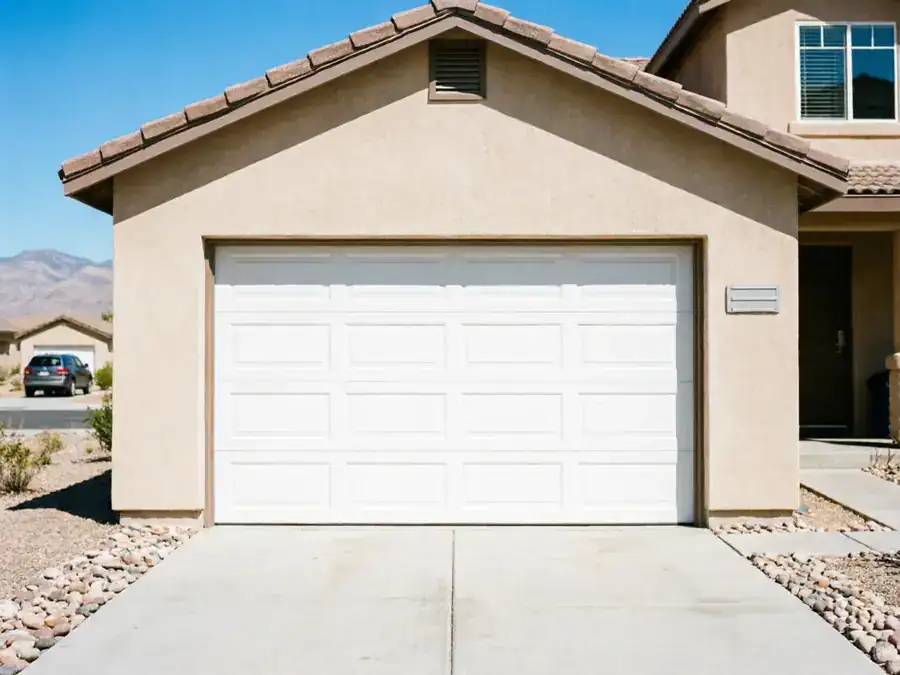
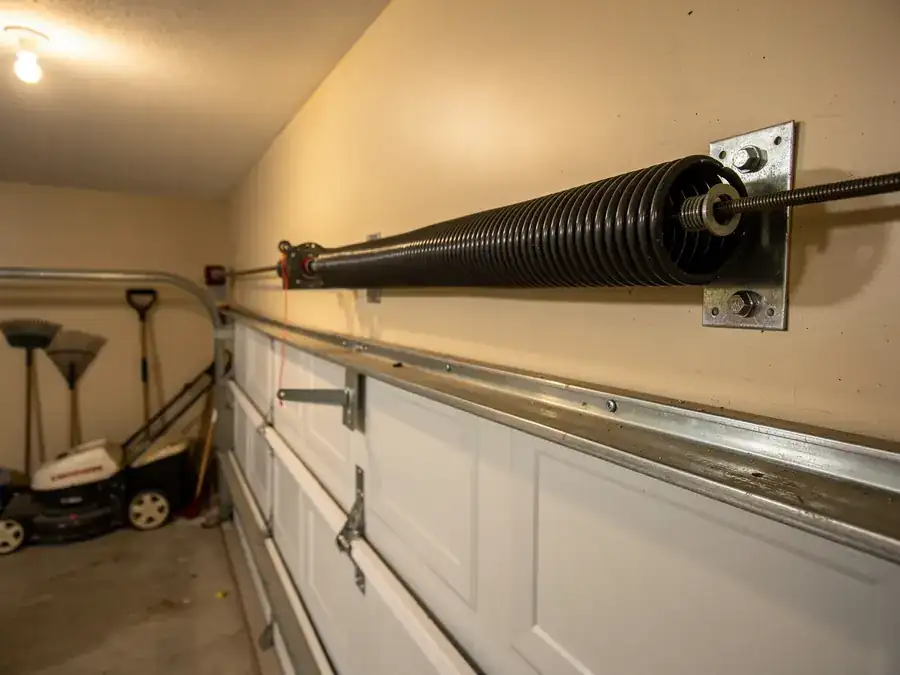
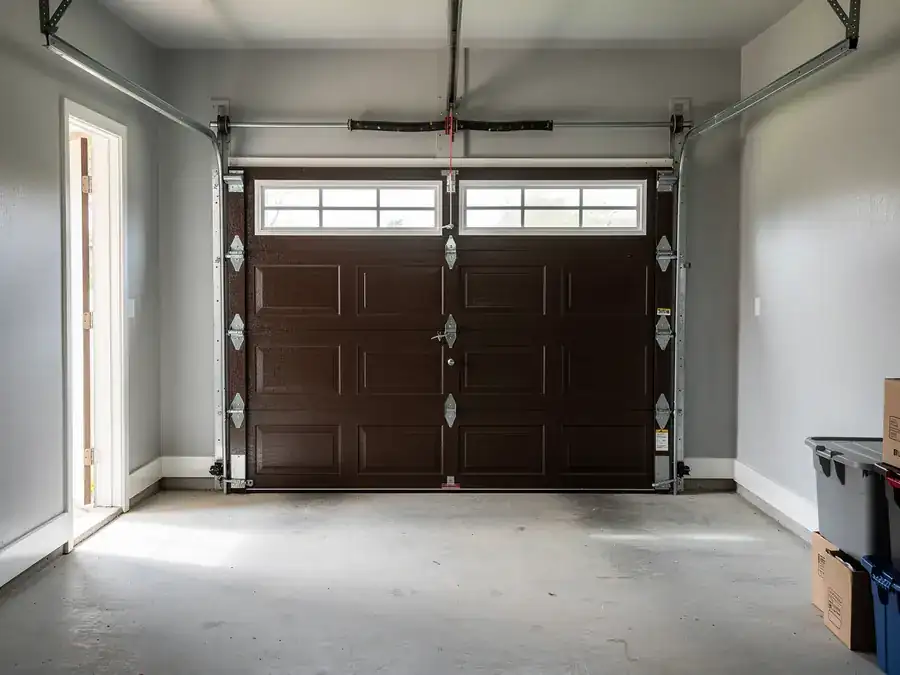
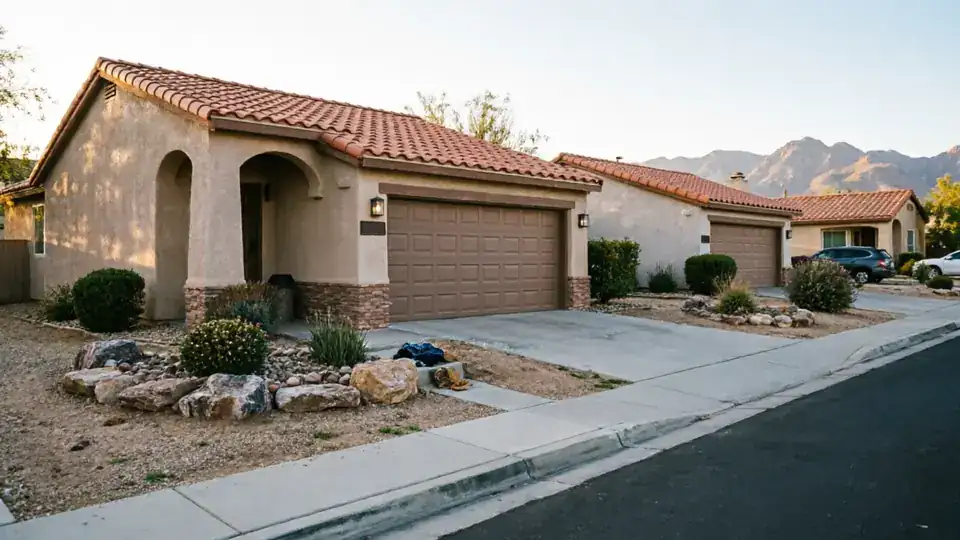
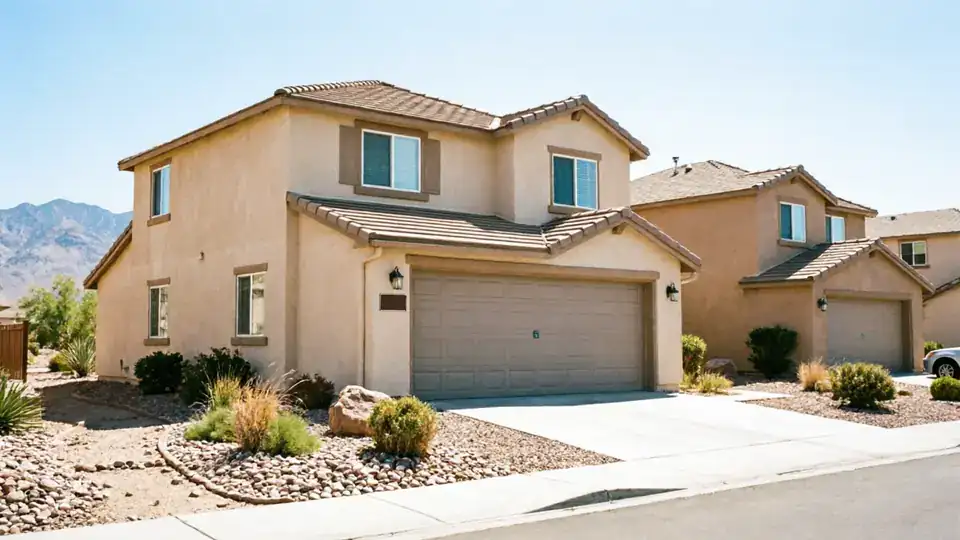
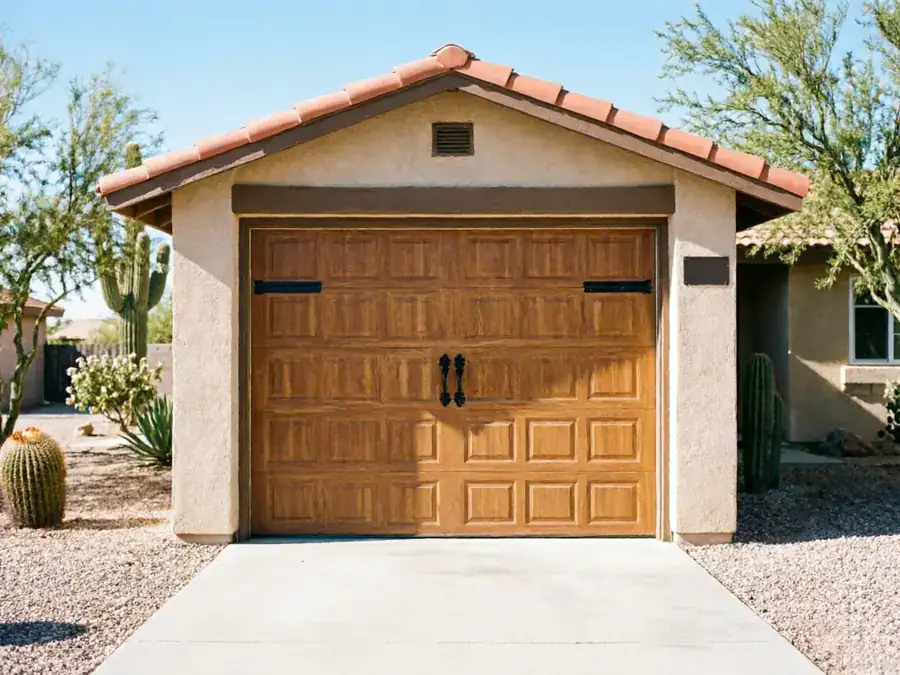
The median home in Enterprise was built around 2006, roughly a decade and a half newer than the typical house back in Henderson proper, where median construction sits closer to 1994. That gap matters more than it sounds like it should. A 2006-era house almost always came with a steel sectional door on a factory torsion system and a chain or belt-drive opener with rolling-code remotes - not the older extension-spring setups or single-piece doors you still find on 1980s and 1990s stock closer to the core city. What fails on an Enterprise door tends to be wear, not obsolescence: a torsion spring that's done its 10,000 cycles, a worn roller, a sensor knocked out of alignment, or an opener logic board giving out after years of desert heat cycling through the garage. You're less likely to be chasing parts for a door nobody makes anymore, and more likely dealing with a straightforward failed component on hardware that's still in production.
What Was Built Here
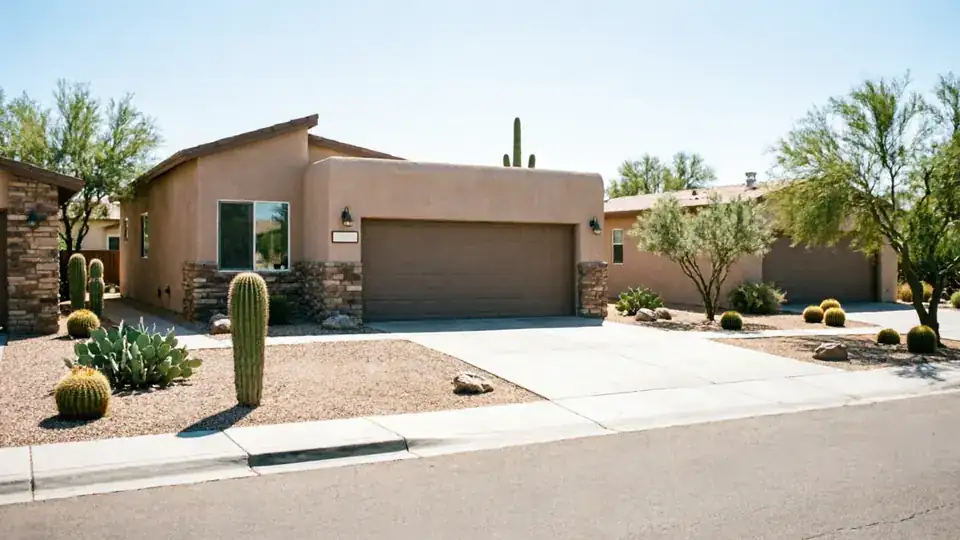
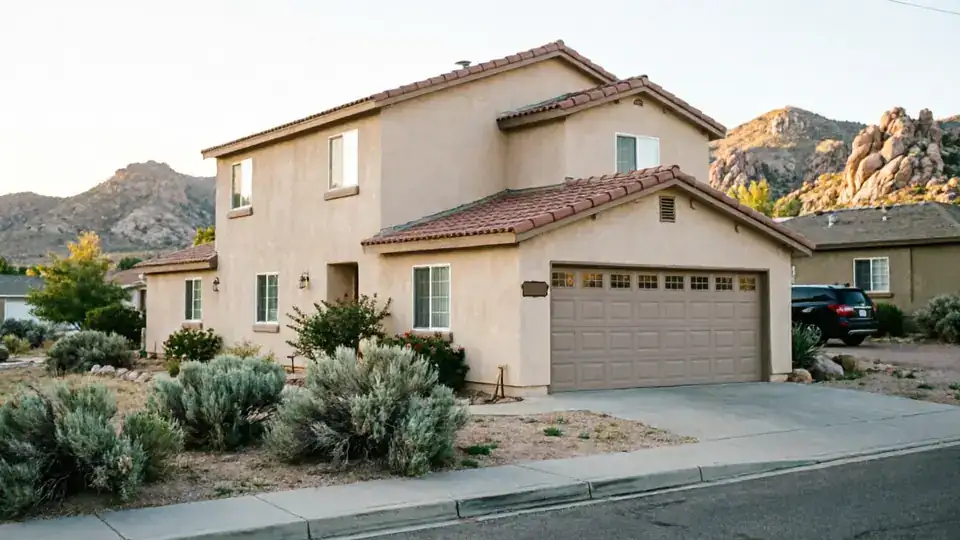
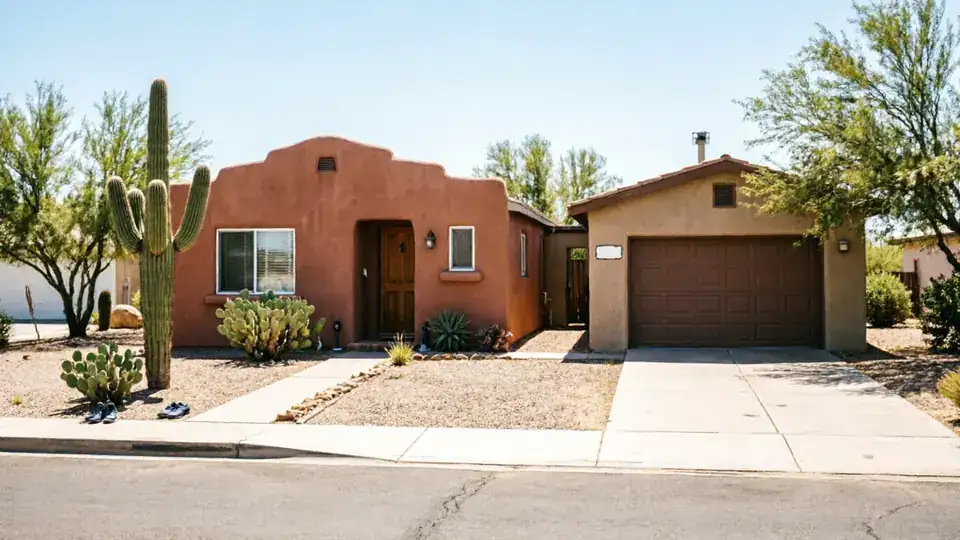
Enterprise is newer construction almost across the board, clustered tight around that 2006 median, which puts most of the neighborhood inside the same roughly 15-year build window. That consistency is useful: openers, spring sizes, and track configurations tend to match across blocks instead of varying house to house the way they do in older, patchwork sections of Henderson. Household income here runs higher too, at a median around $93,980, and with roughly 82,039 households in the area, it's a big enough market that parts suppliers stock current hardware rather than discontinued lines. The regional climate band is severe heat, and that cuts across build year - newer doors still have steel panels and weatherstripping exposed to the same summer temperatures as older ones, so heat-driven wear on seals, lubricant, and plastic components shows up regardless of when the house went up.