Where We Stop
We run out of Henderson, about 6 miles from Whitney
And this is one of the areas we cover on a regular basis. We don't keep a depot or a crew sitting in Whitney itself - the truck comes from Henderson when you call, same as it does for the other areas nearby. That short drive matters less than what's behind your door once we get there, which in Whitney tends to look different from what we see in the older parts of the service area.
- 6 miles
Whitney isn't one of the places where we're pulling 1980s torsion springs off original hardware all day
The houses here are newer, and that changes what actually breaks and how we fix it. We'll say upfront: if your opener needs a part that's back-ordered from the manufacturer, we tell you that lead time honestly rather than promise a same-day fix we can't deliver.
How That Shows Up in the Door
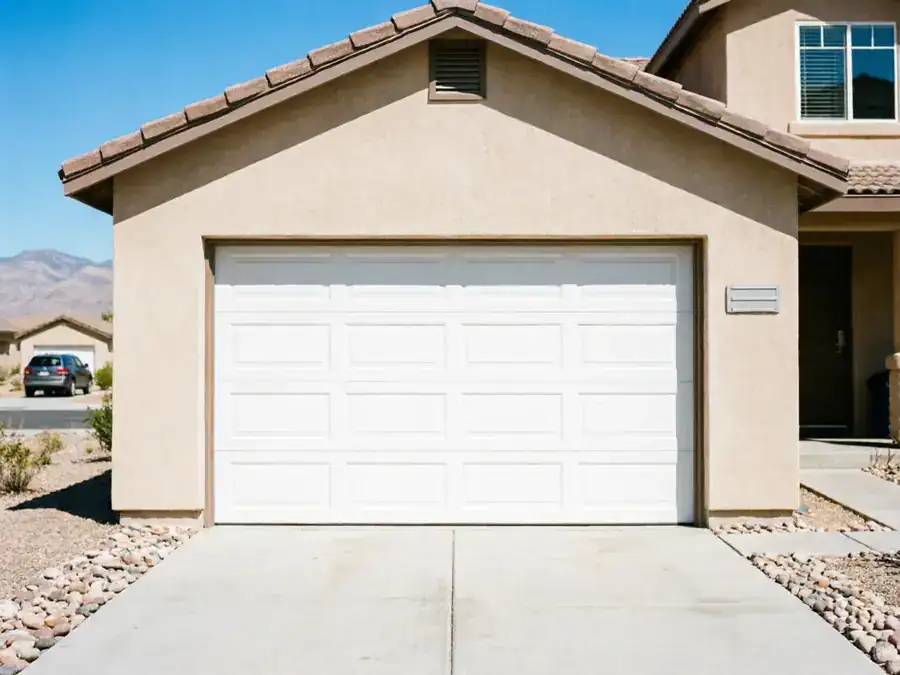
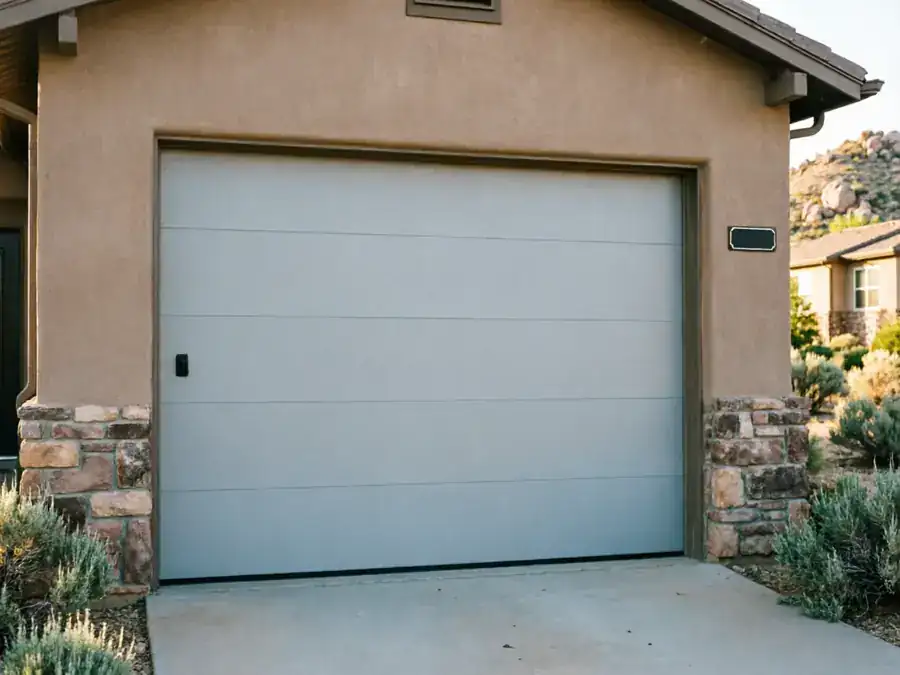
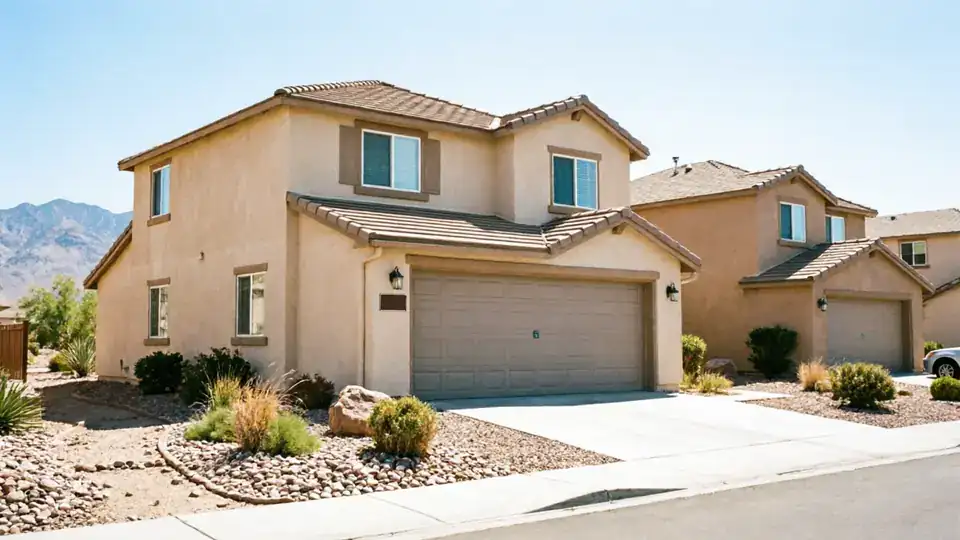
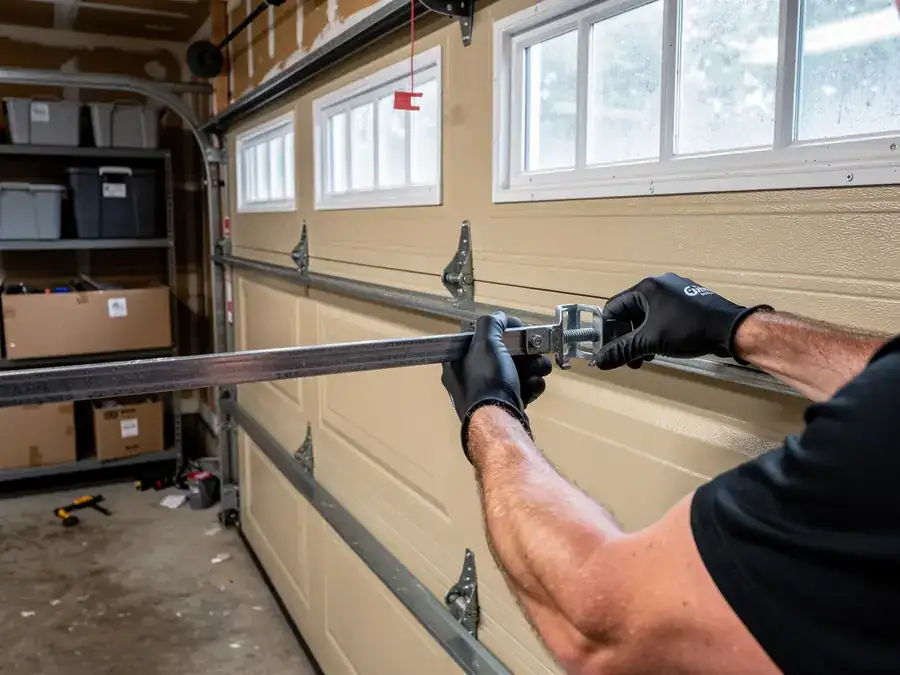
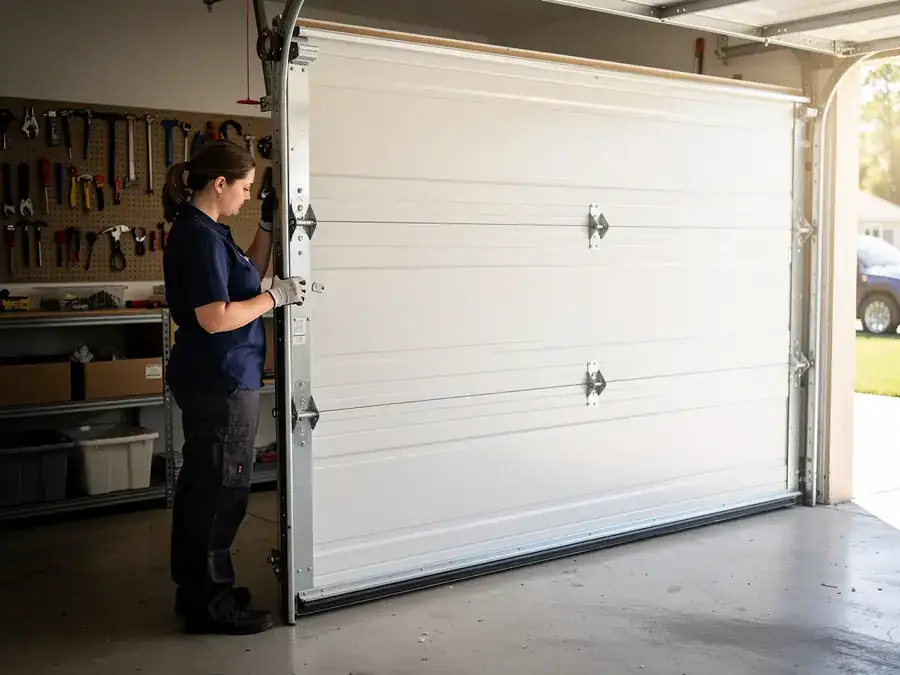
Whitney's housing stock centers on a median build year of 2002, a good eight years newer than the 1994 median across the wider service area. That gap is the whole story. Doors from this era are more likely to be steel sectional panels on galvanized track with a chain or belt-drive opener, not the older extension-spring setups you still find on pre-1994 stock. The failure points shift too - in a 2002-era door we're more often chasing a worn opener drive gear, a misaligned safety sensor, or a stretched belt than we are replacing an entire spring system.
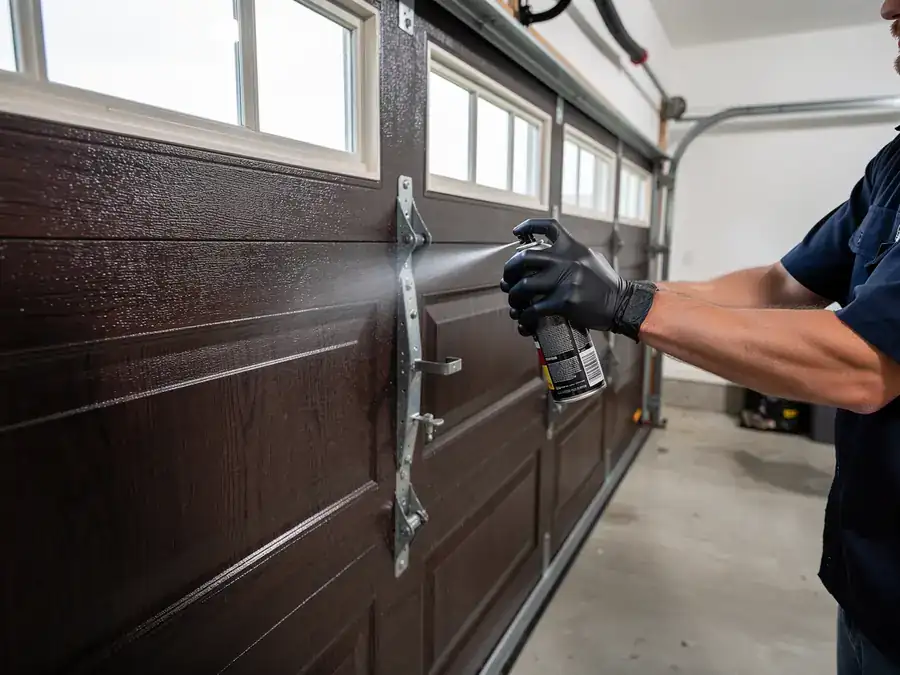
The severe heat here still does its damage regardless of build year. Lubricant breaks down faster, plastic opener gears get brittle, and rubber weatherstripping cracks and shrinks in a way that shows up as daylight at the bottom of the door. Heat doesn't care how old your house is, but it finds the weakest part of whatever generation of hardware you've got, and in a 2002-built door that weak part is usually the opener, not the spring.
What Was Built Here
With 16,209 households in Whitney and a median income of $63,480, this is a more recently developed pocket within a service area where the overall household count runs to 360,017 and the median income sits a bit higher at $66,312. The newer construction date lines up with what we see on the ground: fewer wood-jamb doors, more pre-fab steel frames, and openers that are still under or just past their expected service life rather than decades old.
That said, 2002 construction isn't new construction anymore. Openers from that era are old enough now that circuit boards fail, logic boards stop talking to remotes reliably, and the original springs - even if they're the newer style - are reaching the end of their cycle count. We're not saying Whitney doors never break. We're saying they break for different reasons than a door built in 1985, and worth knowing before you assume your spring is the problem when it's actually the opener.
What Neighbours Usually Call About
Given the 2002-era stock, the calls we get from Whitney skew toward opener trouble
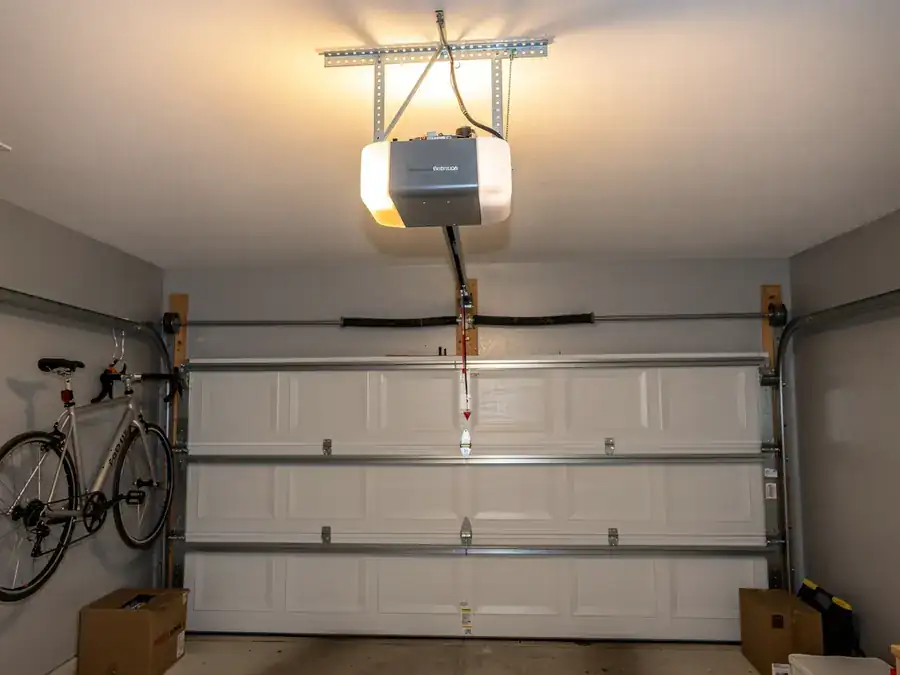
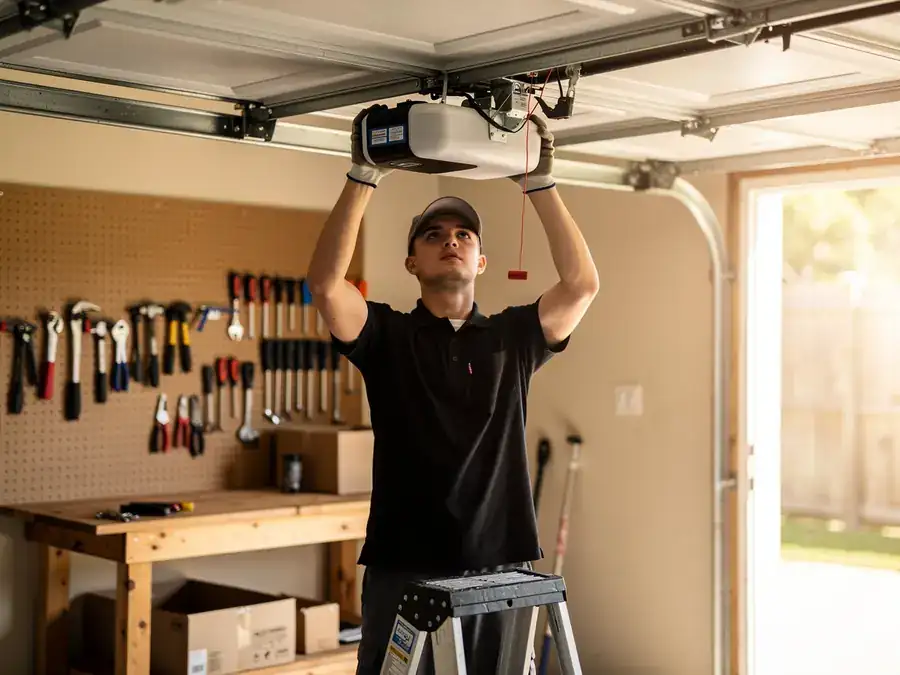
A door that reverses for no clear reason, a remote that's stopped syncing, or a safety sensor that's gone out of alignment after years of heat cycling the plastic housing. We also see belt-drive openers that have worn out their belt faster than expected, which tracks with how hard the severe heat band here is on rubber and composite parts.
Spring calls do happen
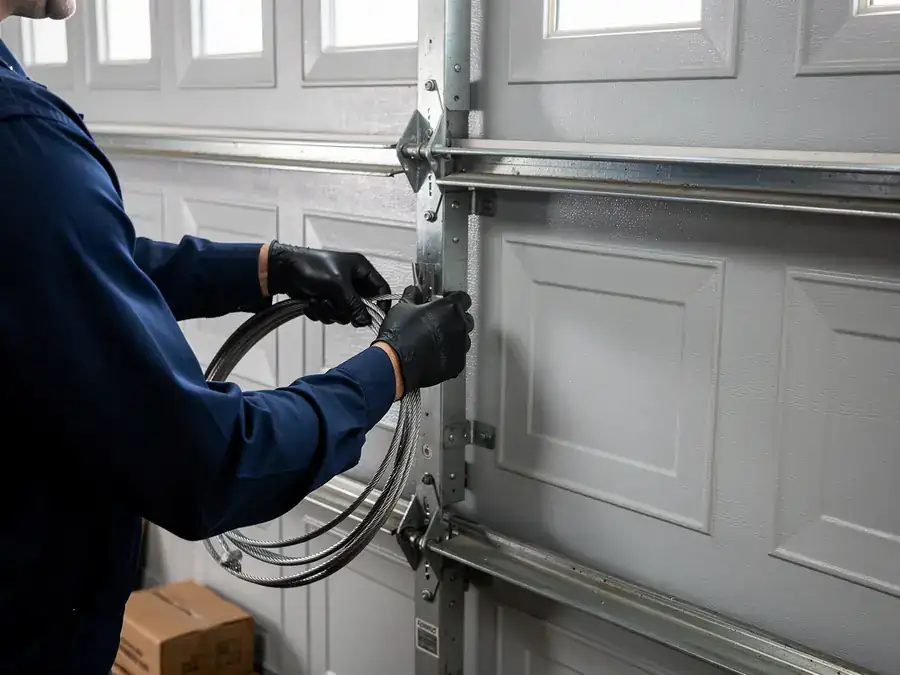
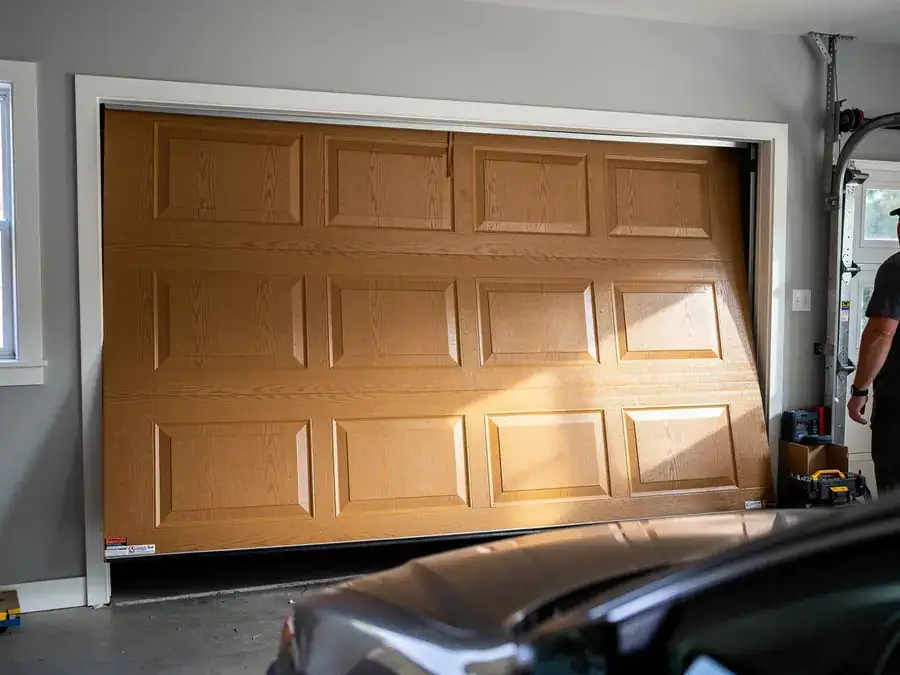
But less often than in older sections of the service area - newer doors haven't logged the open-close cycles yet. When we do get a spring call in Whitney, it's more likely a cable that's frayed or a drum that's slipped than a spring that's simply worn through from age. If your door is sagging on one side, that's usually the cable or the track, not the panel itself, and we'll tell you straight if it's a $40 fix instead of letting you assume you need a new door.