What the Fix Involves
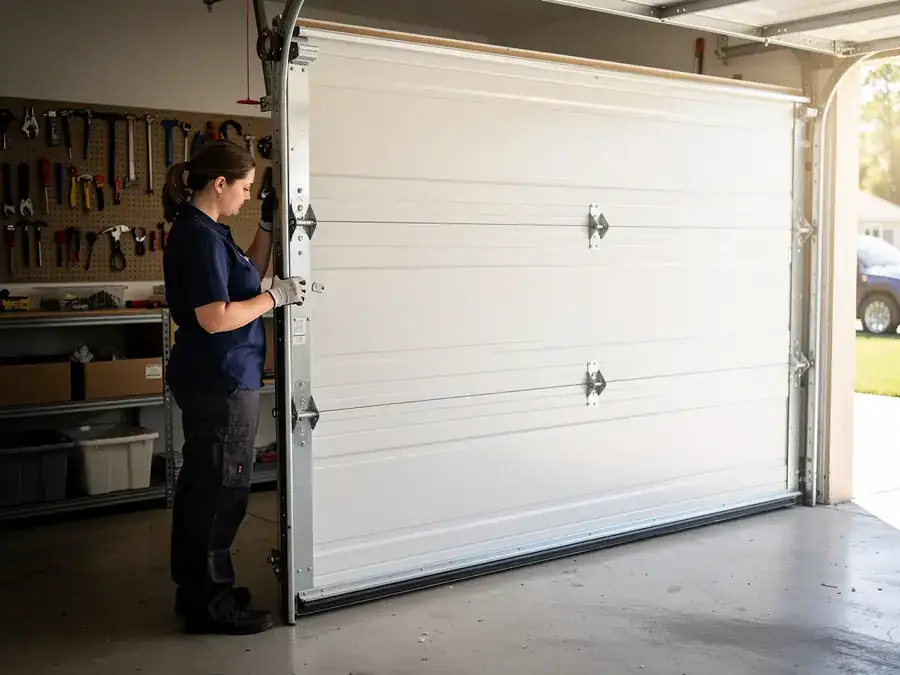
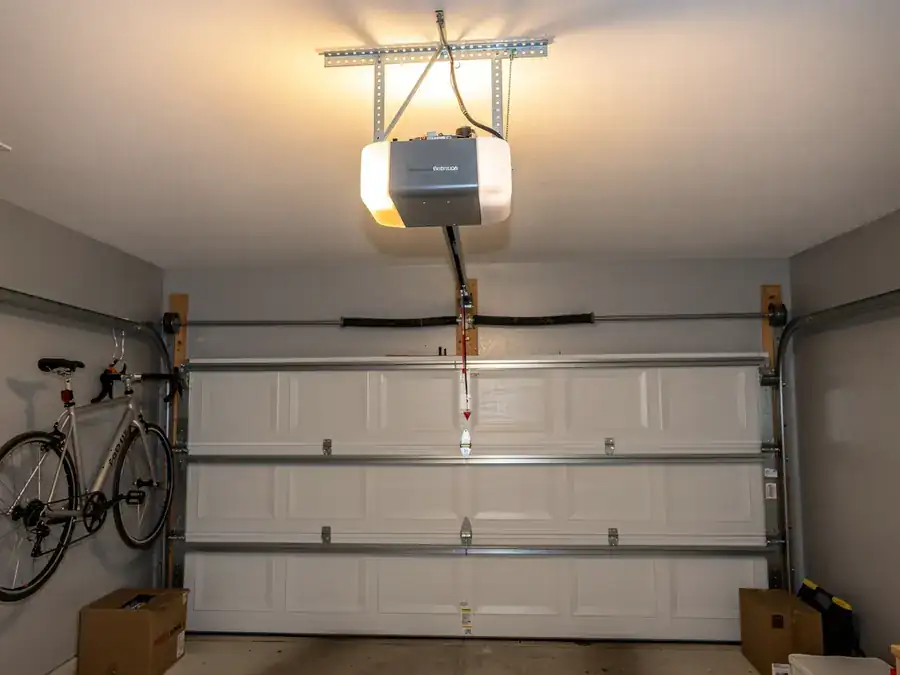
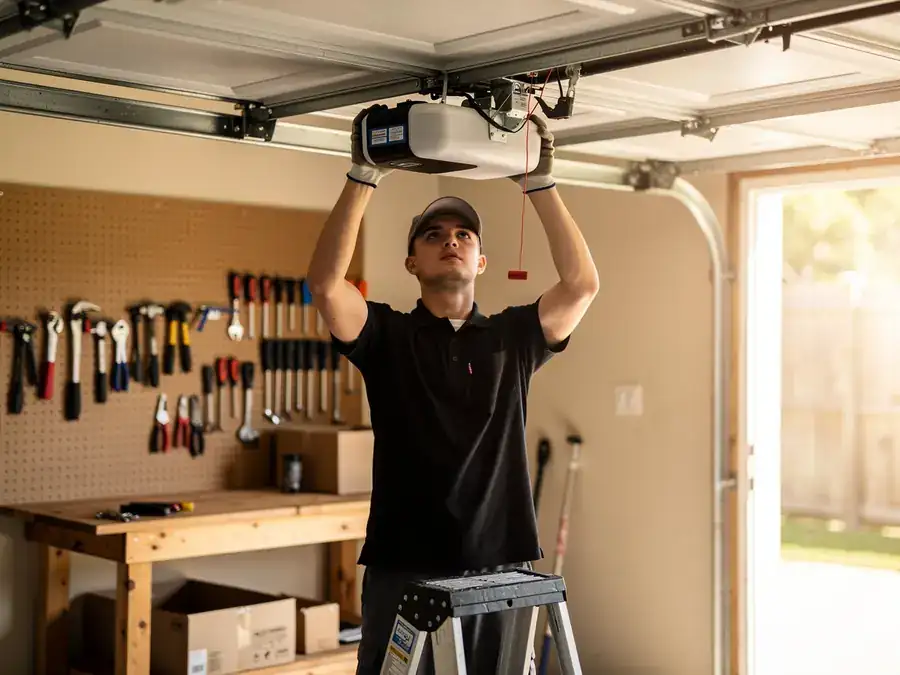
A proper opener install starts with the header bracket and rail, not the motor unit
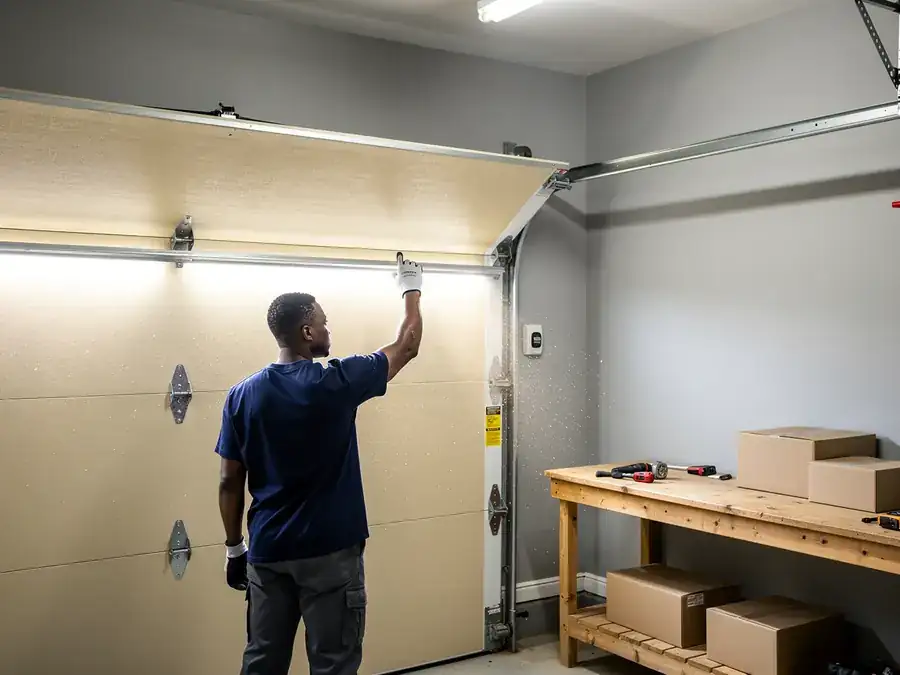
We check that the mounting surface is solid wood or steel framing, not drywall over nothing, which matters in houses built across the 1980s and 90s when garage ceiling framing wasn't standardized the way it is now. From there it's wiring the unit to a dedicated circuit, setting travel limits so the door seats without slamming the floor or straining the top panel, and programming force settings that match the door's actual weight rather than a factory default.
Most jobs also mean swapping the wall console and safety sensors
Since original units from the service area's median construction year of 1994 often ran on hardware that no longer meets current safety sensor requirements. We mount a belt or chain drive depending on what's over the garage - bedroom above calls for belt, workshop or storage calls for chain, and we'll tell you which makes sense rather than upselling the quieter option by default.
We also test the manual release and battery backup
Since Henderson's grid sees stress during peak cooling months, and an opener that won't release by hand during an outage is a door you can't get your car out of.
What You Are Seeing
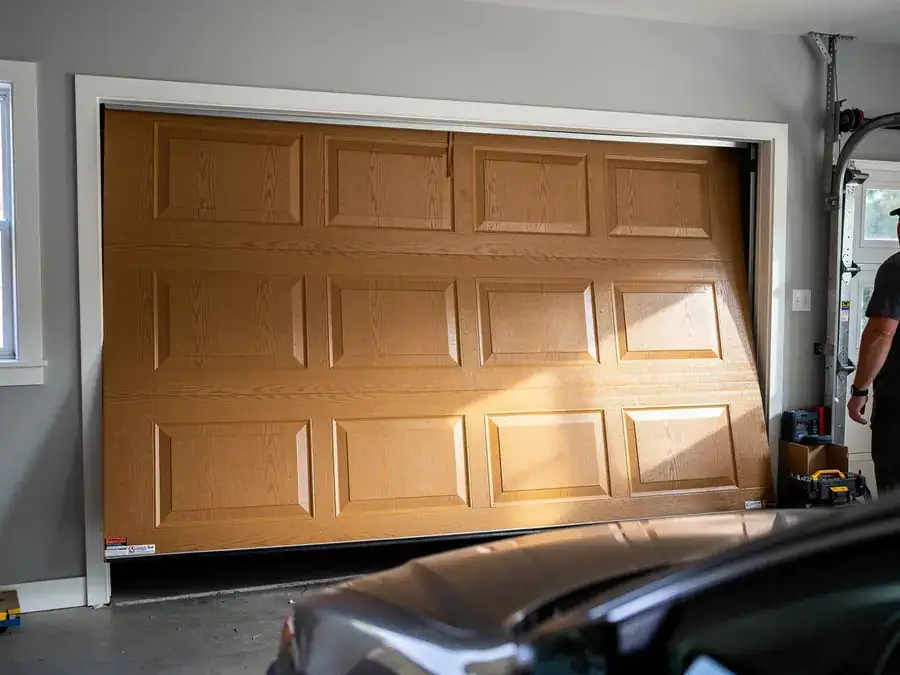
The opener runs but the door doesn't move, or it strains and reverses halfway up - that's usually a gear set stripped from heat-cycling, not a dying motor. In Henderson's climate band, attached garages regularly sit well above outdoor temperature by mid-afternoon, and that sustained heat is hard on the nylon gears, capacitors, and logic boards inside openers that were never built to handle a garage running that hot for months at a stretch.
You'll also see openers that respond to the wall button but not the remote, or lights that flicker before the unit engages - both point to a circuit board that's taken heat damage over several summers rather than a wiring fault. On original units from the service area's older stock, built 1979 through the mid-2000s, this shows up as the opener working fine in cooler months and failing or stuttering once outdoor highs climb.
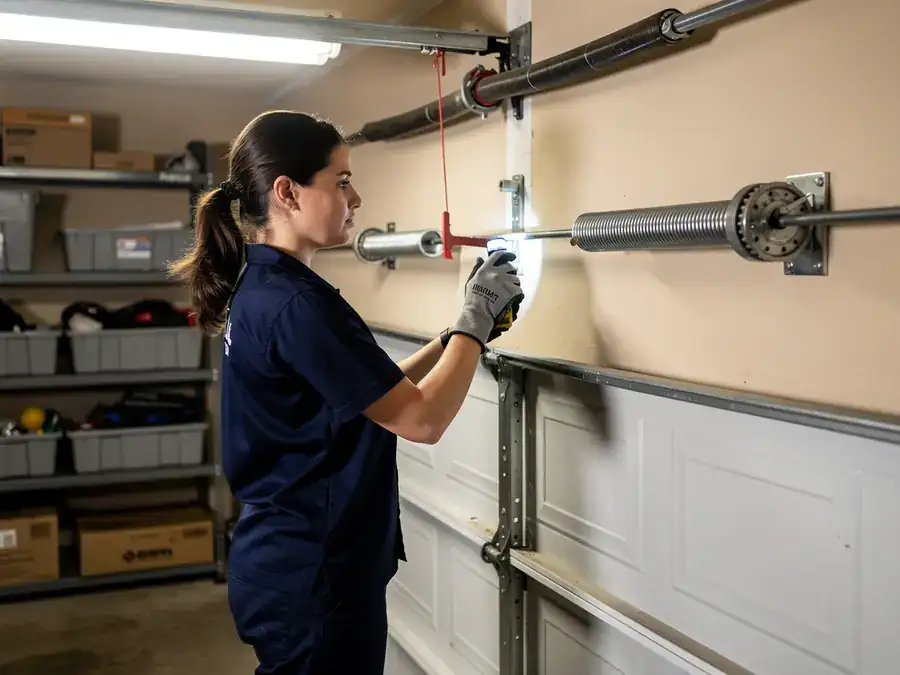
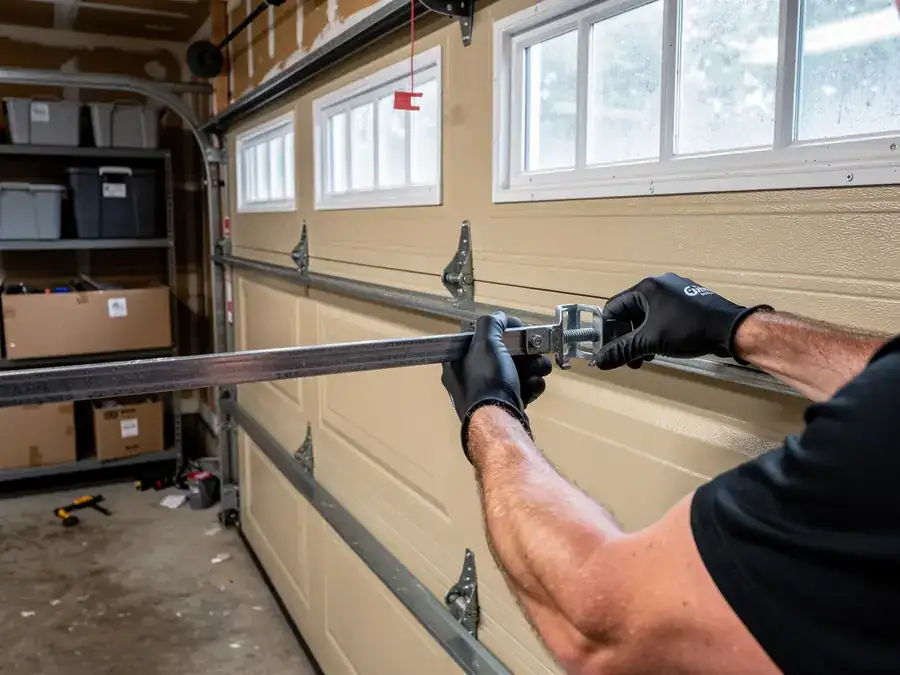
A chain that's gone slack, or a belt that's started to fray at the edges, is wear you can usually see with a flashlight before the opener fails outright. If you catch it there, it's a tensioner adjustment or a belt swap, not a full replacement.
The DIY Question
You can install a garage door opener yourself, and plenty of homeowners do. The kits come with decent instructions, and if your garage already has a dedicated circuit and the header framing is solid, mounting the rail and motor isn't the hard part.
Where it gets risky is the safety sensor alignment and the force setting - get either wrong and you've got a door that won't recognize an obstruction, which is the one failure that actually hurts someone. We also see a fair number of DIY installs where the opener is rated for a door weight it isn't built for, which burns out the motor inside a year or two.
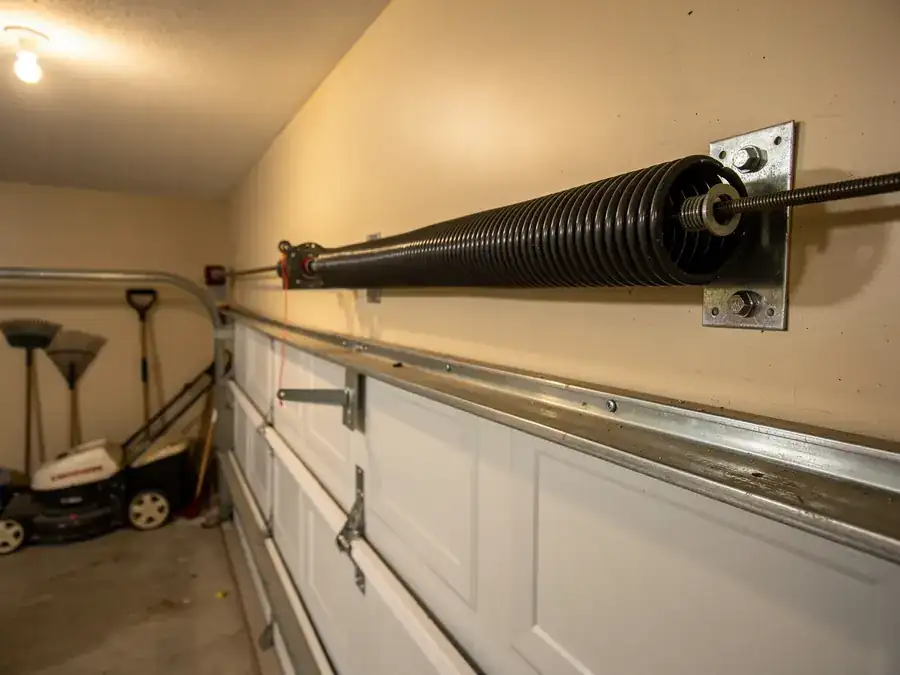
We won't pretend every opener install needs a professional. If you're comfortable with basic electrical work and you're installing on a newer door with known specs, it's a reasonable weekend project. Where we'd tell you to call instead is anything involving the spring system, since that's a separate and more dangerous job, or anything on an older door where the opener's horsepower rating needs to be matched against actual panel weight rather than guessed.
Why This Fails Locally
The service area's housing runs mostly 1979 to 2006 construction
With the bulk of that stock going up in the 1980s and 90s across the named pockets around out. That generation of openers was built before the heat-handling standards that newer units carry, and Henderson sits in a severe heat climate band - which means the gap between what these openers were designed for and what they actually run in is wider here than it would be somewhere with a milder summer.
Across the service area's 115,140 owner-occupied houses, the opener is one of the only mechanical systems in the home running nearly every day without a break, and heat-driven failure doesn't discriminate between a $200 opener and a $600 one if it's thirty years old
With median household income in the service area at $66,312, we also see a lot of partial fixes - replacing a logic board instead of the full unit - which buys time but doesn't change the underlying heat exposure that caused the failure in the first place.
- 115,140 owner-occupied