The DIY Question
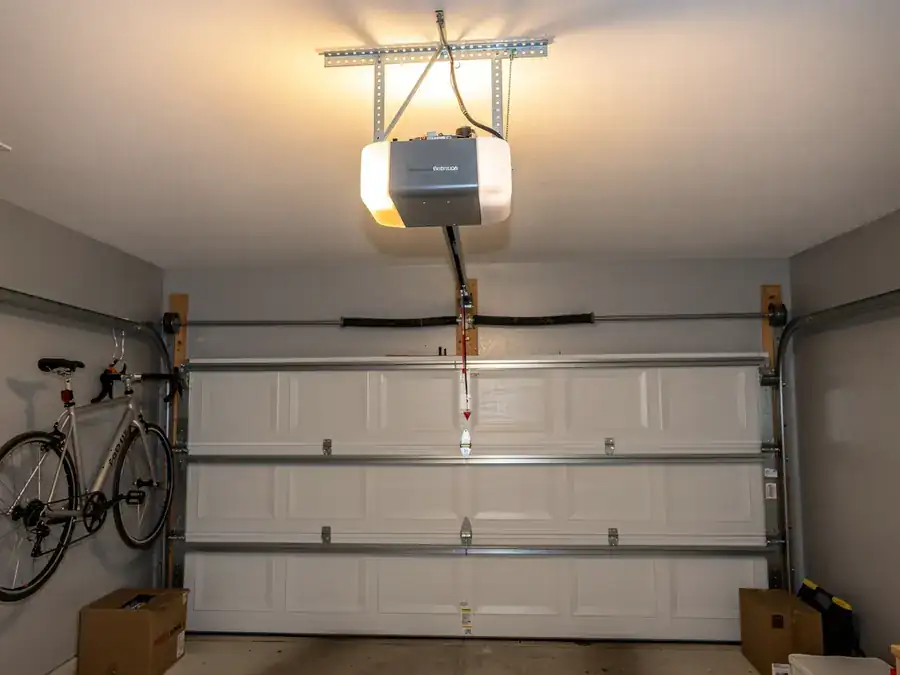
A lot of homeowners in this income range look at opener kits online and figure they can save the install fee. For a straightforward swap on a door that's already tracking true, that's not unreasonable - if you're comfortable on a ladder and patient with wiring a safety sensor pair. Where it goes wrong is the header mounting. On the 1991-era construction common here, the ceiling framing above the door often isn't where a new kit's bracket template assumes it is, and an opener hung on a weak anchor point will work for a few months before it starts sagging under its own travel. If you've opened the box and the mounting doesn't look like the diagram, that's the point to stop and call rather than shim it and hope.
Booking a Visit
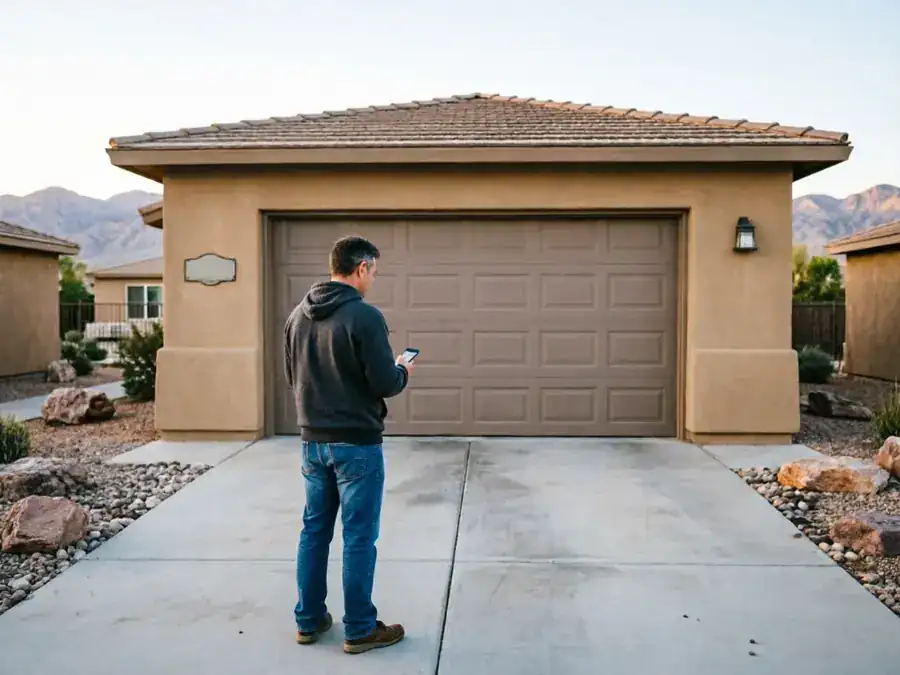
We cover Sunrise Manor from Henderson along with the cluster of nearby areas - Paradise at 8 miles, Winchester at 11, Enterprise at 11 - so a visit here gets scheduled the same way those do, built around the route for that day rather than a dedicated local crew. There's no branch or dispatch point in Sunrise Manor itself; every job starts with the twelve-mile drive out. That means we ask for the opener's age, drive type, and whether the garage has power run to the ceiling before we confirm a slot, so the parts loaded match the job and nobody's waiting on a second trip.
What the Fix Involves
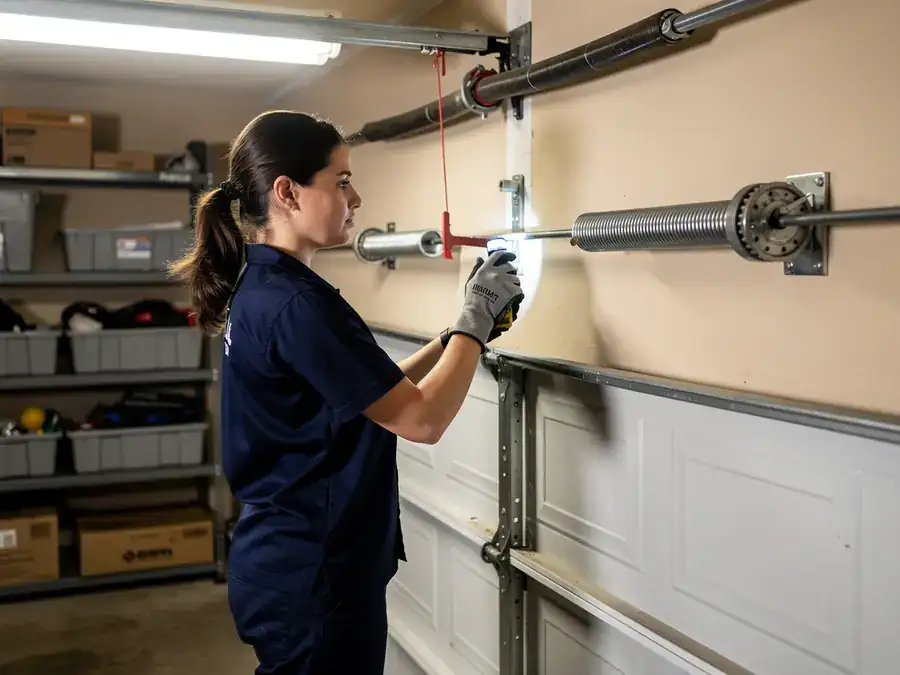
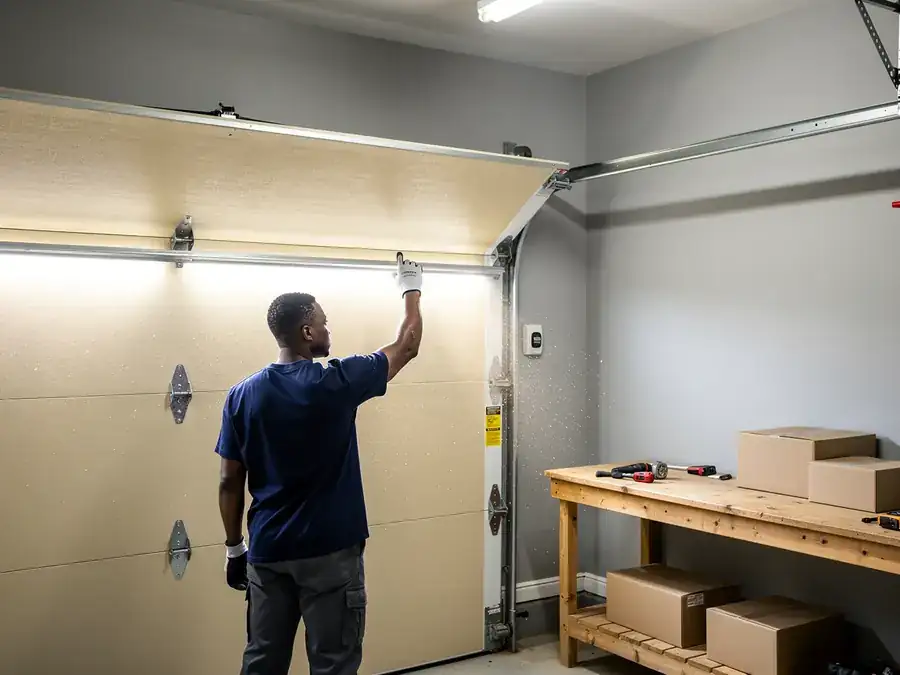
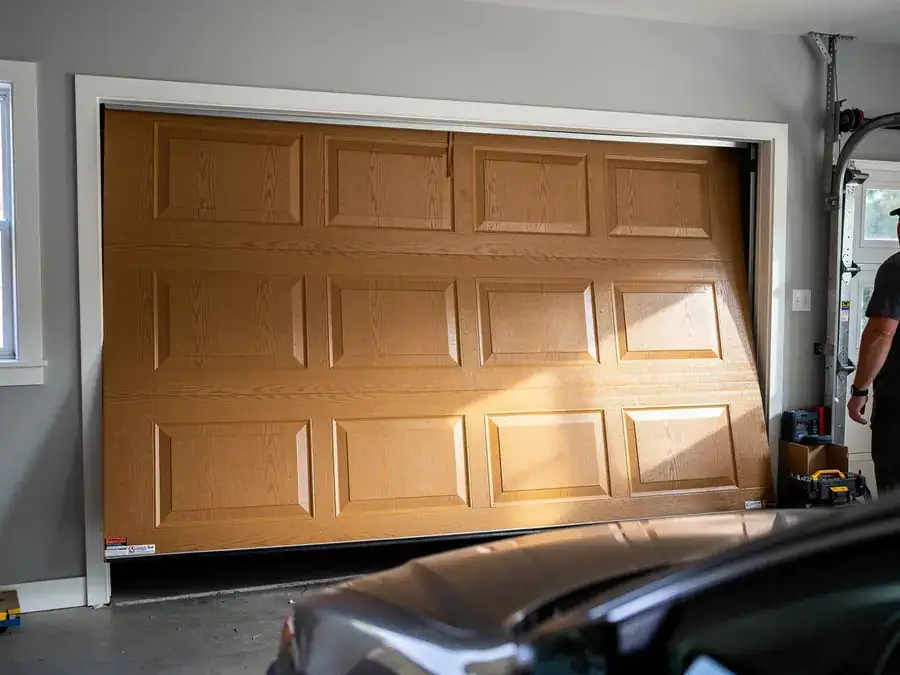
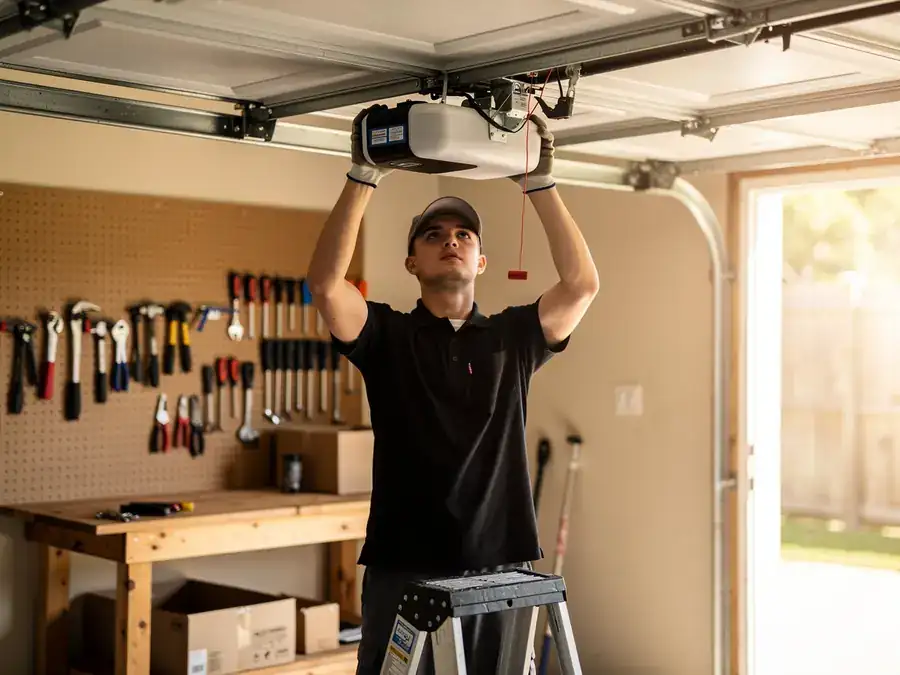
On a 1991-built house, the opener failing is rarely just the motor. Summer heat here runs in the severe band for this climate, and heat is hard on the capacitors and circuit boards in chain-drive units from that era - they cook faster than the sealed board-and-belt setups sold today. So the visit starts with the opener itself, but we also check the rail alignment, the sensor eyes for sun-bleached lenses, and the wall console wiring before calling it an opener job and not a bigger one. Installing the new unit means mounting it to the header, running the rail, syncing the remotes, and testing the auto-reverse against a 2x4 laid flat under the door - that last check isn't optional, it's the one that keeps a motor replacement from becoming a safety problem six months later.