What Can Go Wrong
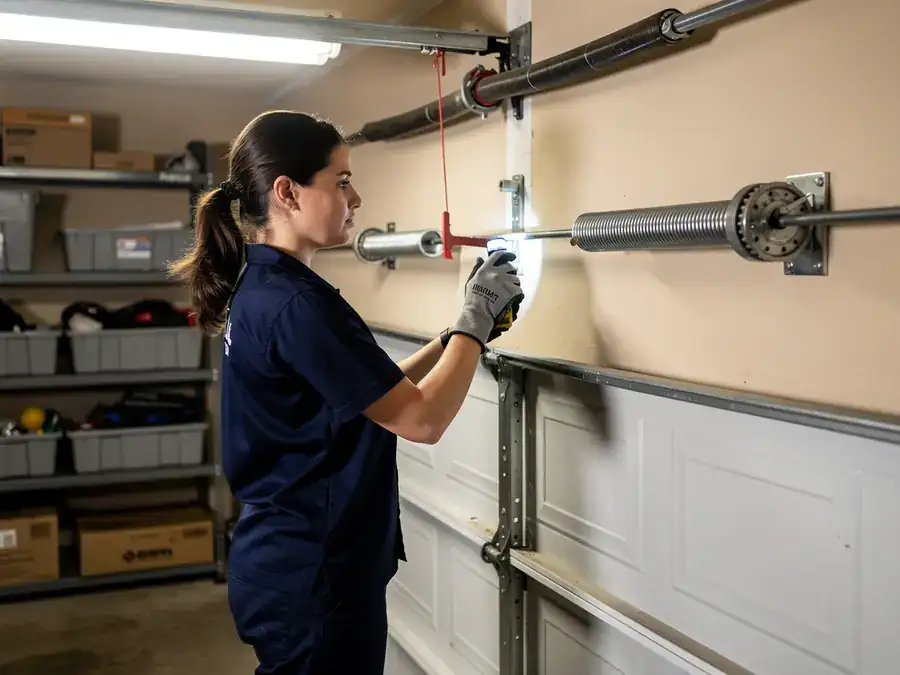
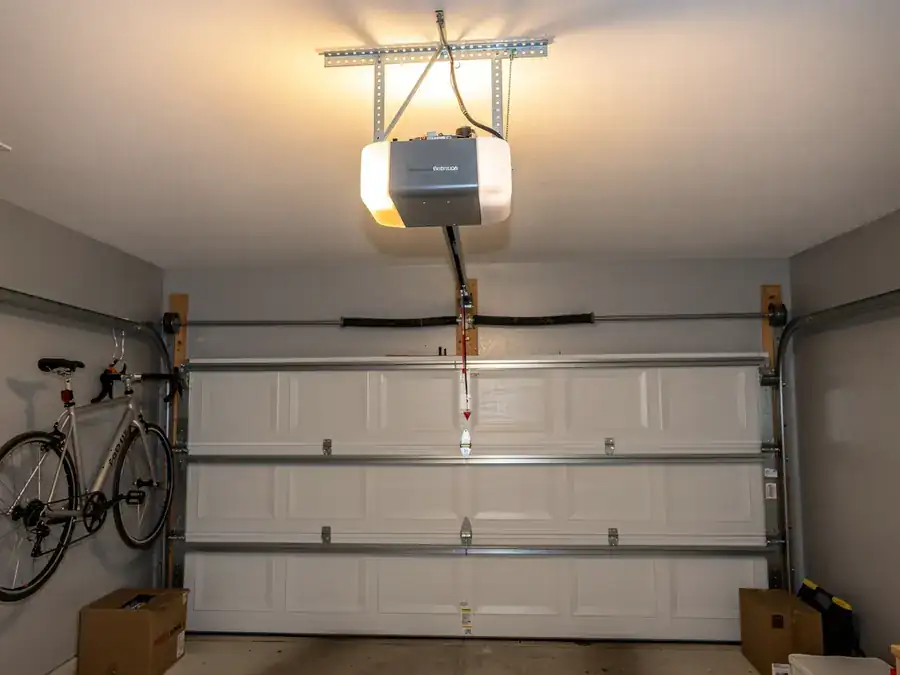
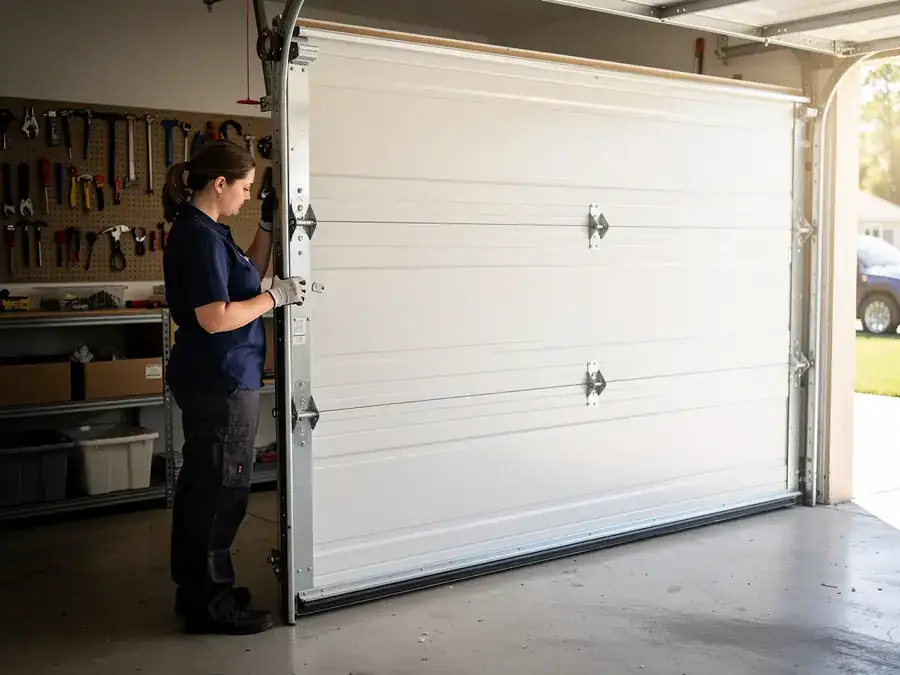
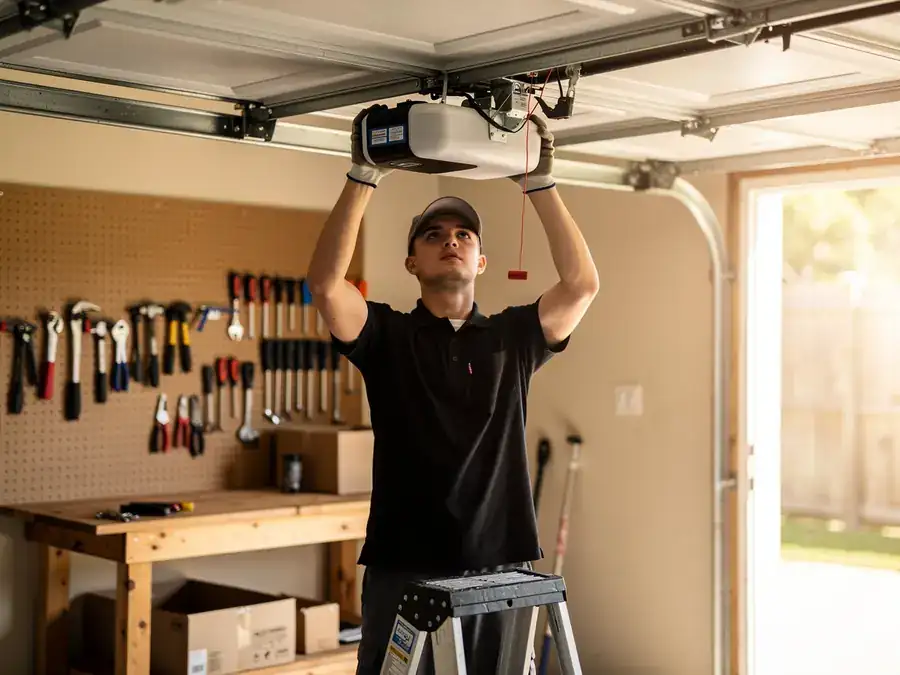
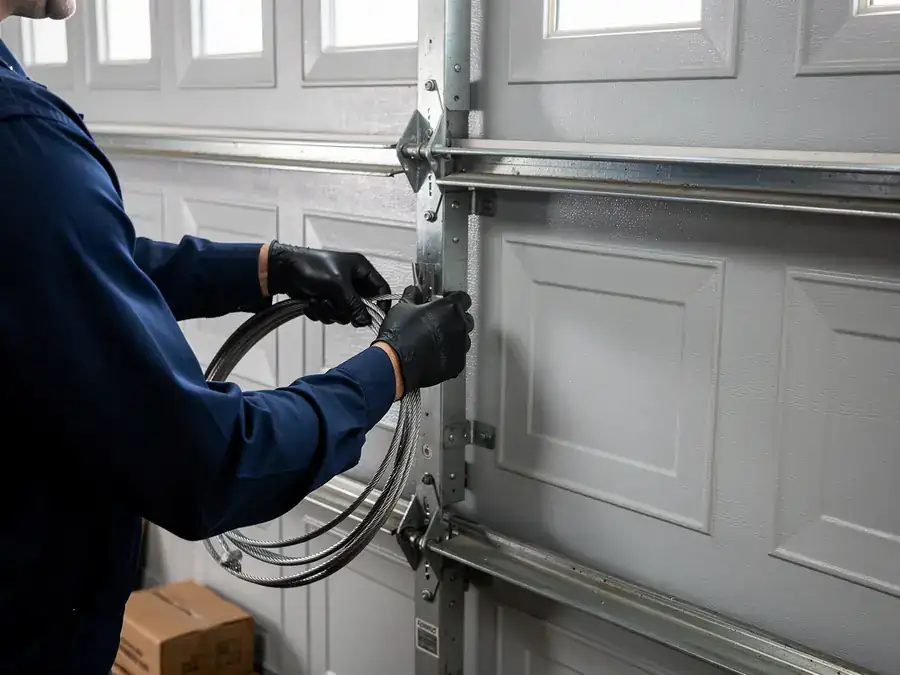
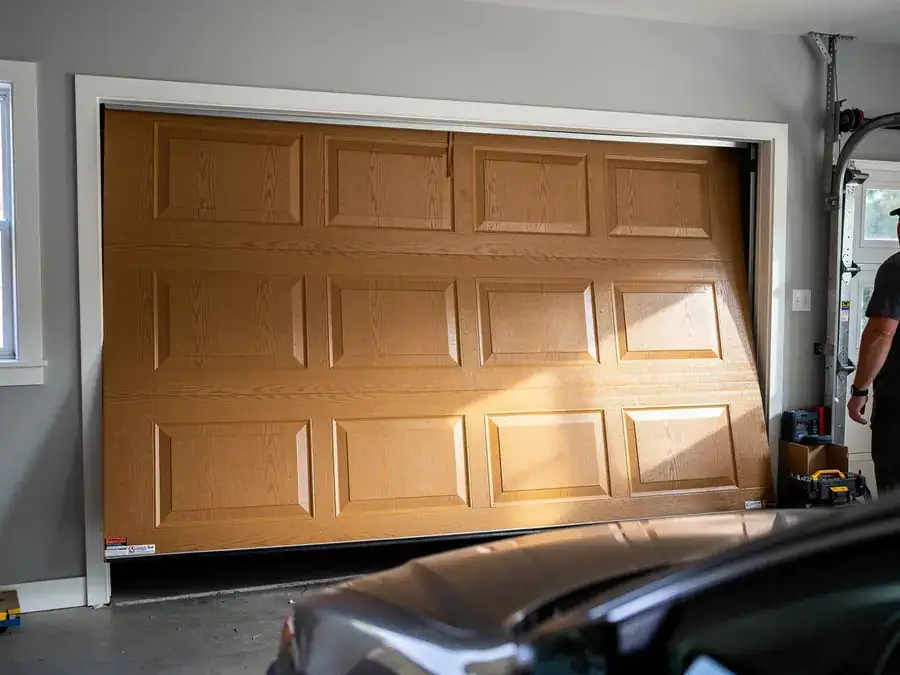
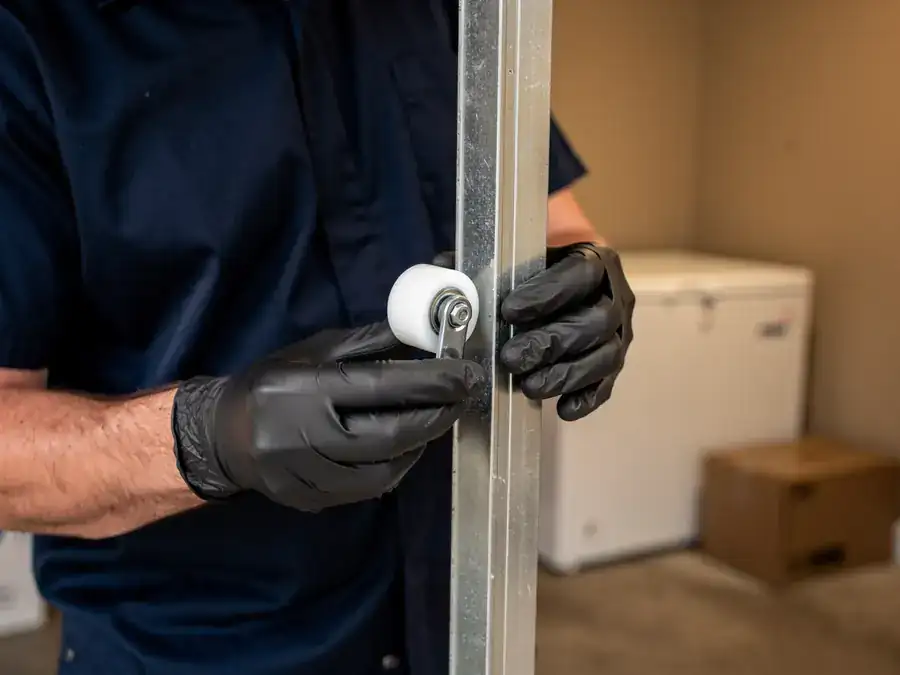
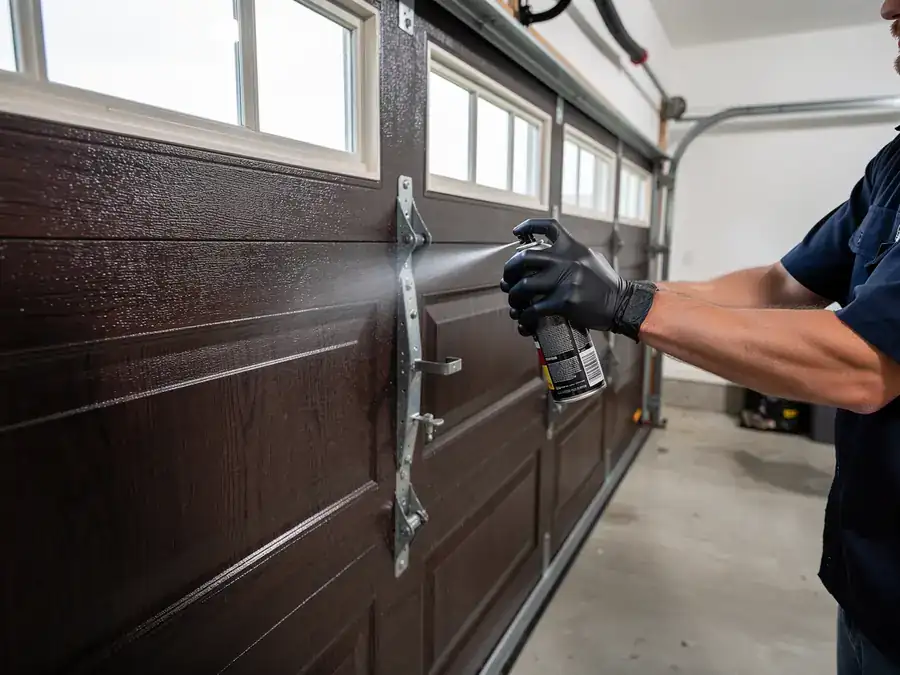
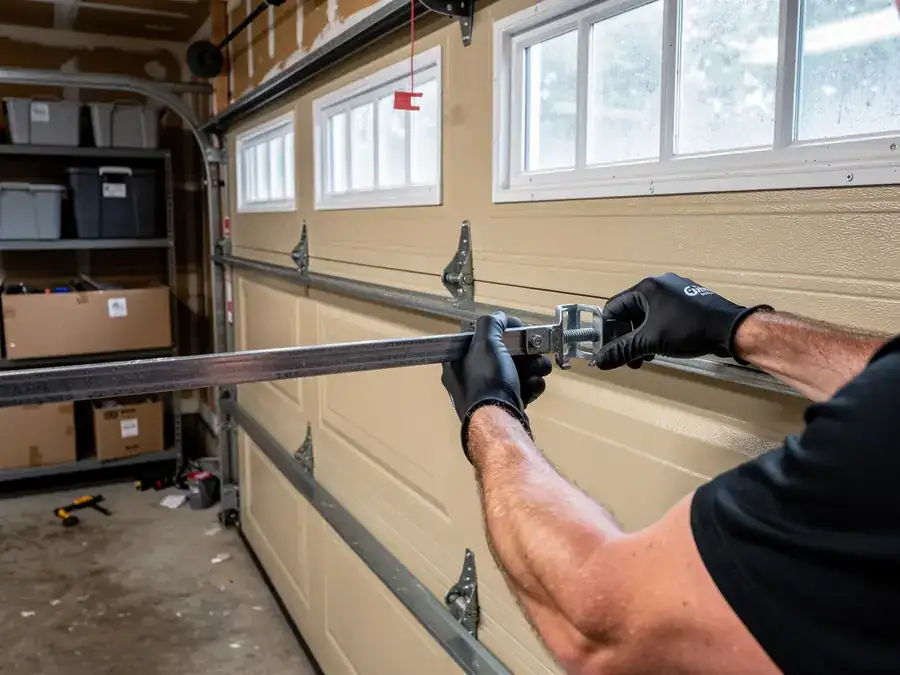
The springs that shipped with a 2006-era door were sized for the door's weight at install, and over close to two decades of Southern Nevada heat they lose tension unevenly - one side goes first, which is why a double door starts sagging on one corner before it fails outright. Heat in this region is severe enough that it also dries out factory lubricant on rollers and hinges faster than it would in a milder climate, so grinding and binding shows up earlier than the spring failure itself. Openers from that build generation are mostly chain or belt drive with limited-cycle logic boards; when the board goes, the whole unit usually gets replaced rather than repaired, since parts for a model that old are hard to source. Cables fraying at the bottom roller bracket is another one we see on original hardware that's never been inspected. None of this is unique to any one house - it's what happens to any door built in the mid-2000s that's run eighteen-plus years of desert summers without a spring or roller swap.
What It Costs
We don't have a flat number to give you for Enterprise specifically, and pricing swings depending on whether you need a spring replaced, a full opener swap, or both at once - a torsion spring job and a 2006-era opener replacement are two very different invoices. What we can tell you is the economics: median household income in Enterprise runs around $93,980, well above the $66,312 median for the service area overall, and that gap shows up in the calls we get - more owners here choose a full opener replacement over patching a logic board that's near the end of its life anyway, because the math works out close either way and the new unit buys another fifteen years. If your door is original to a 2006 build and the opener is already acting up, replacing springs and opener together in one visit is usually cheaper than paying for two separate truck trips.