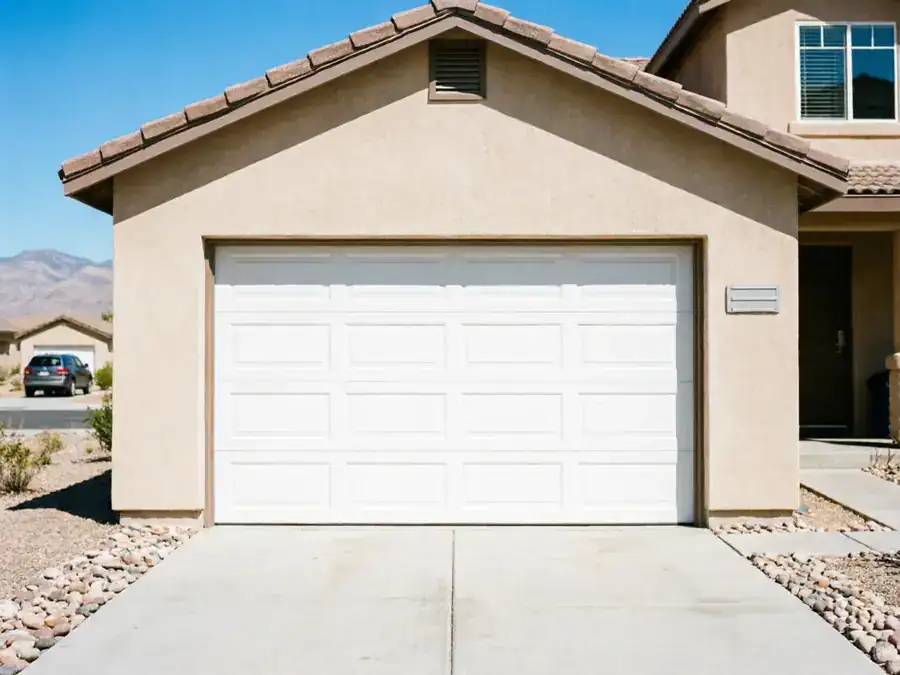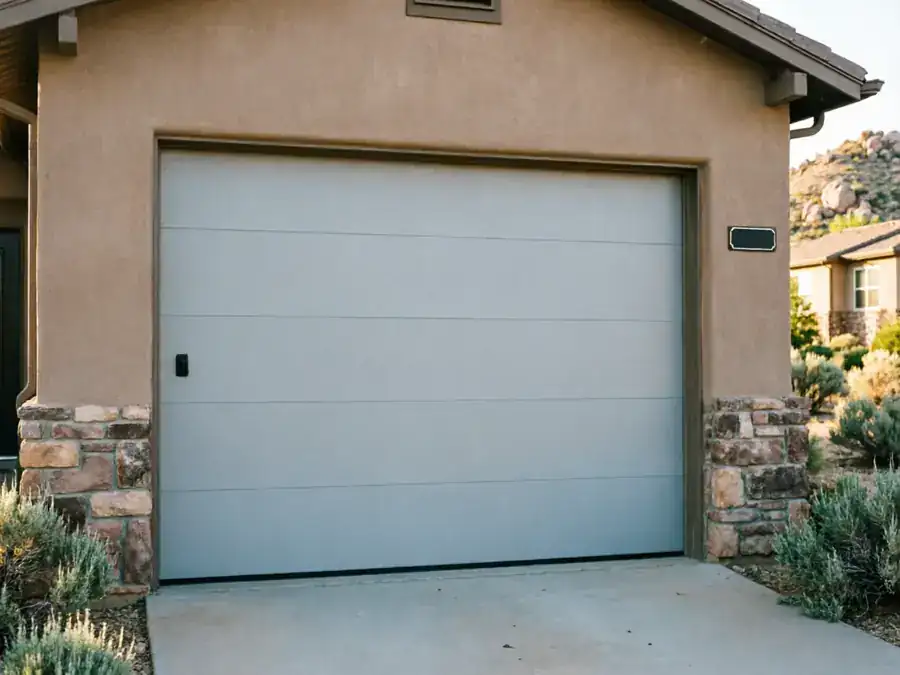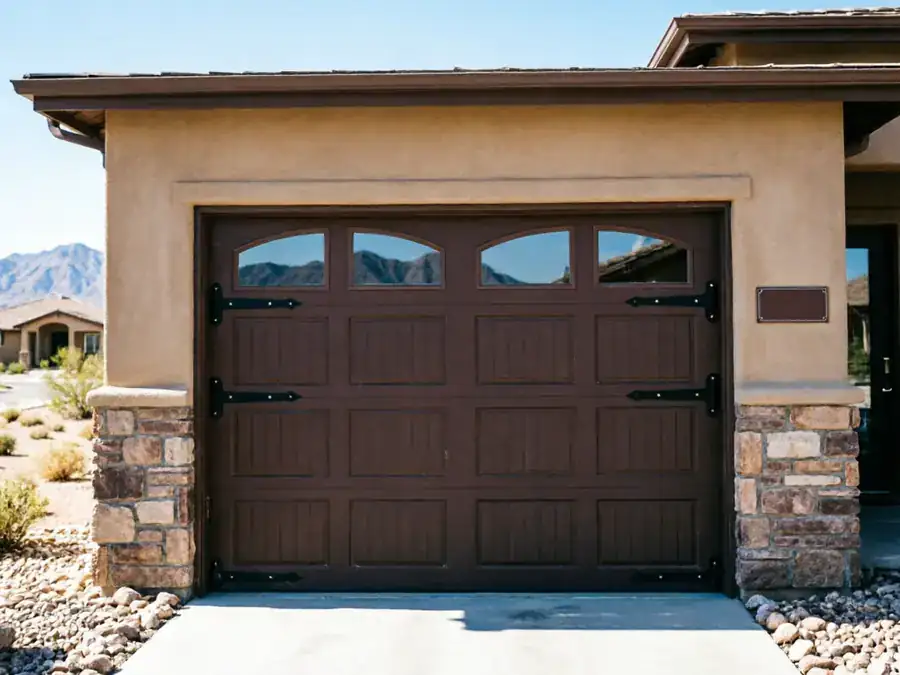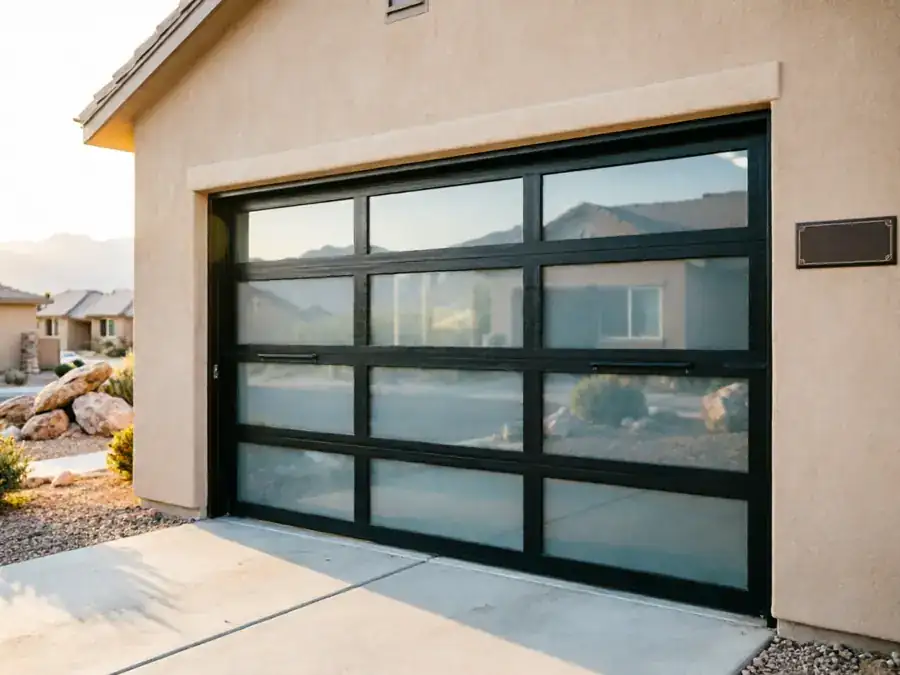
What You Are Seeing
Enterprise isn't a pocket neighborhood
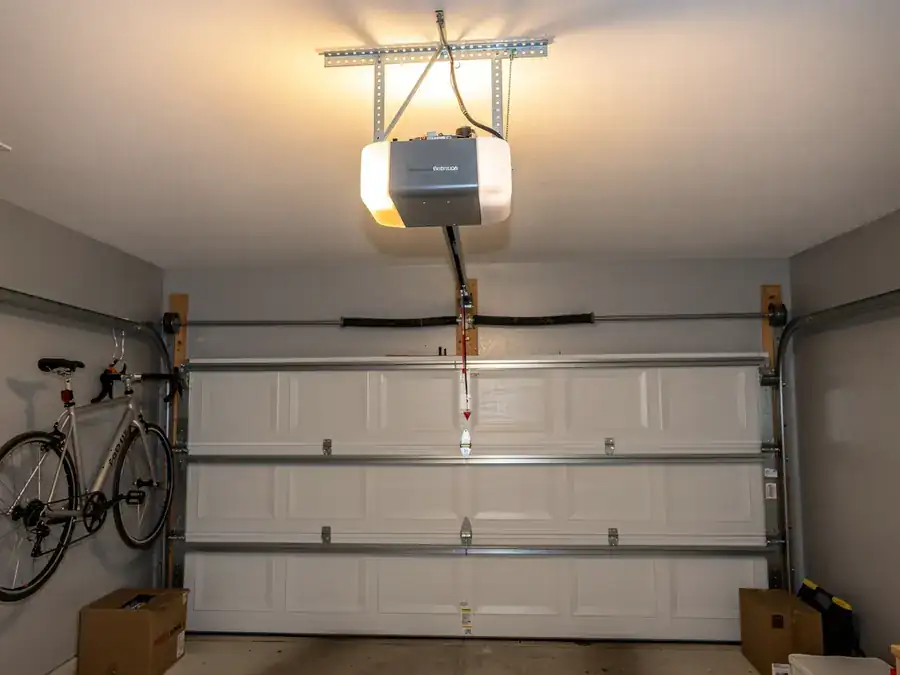
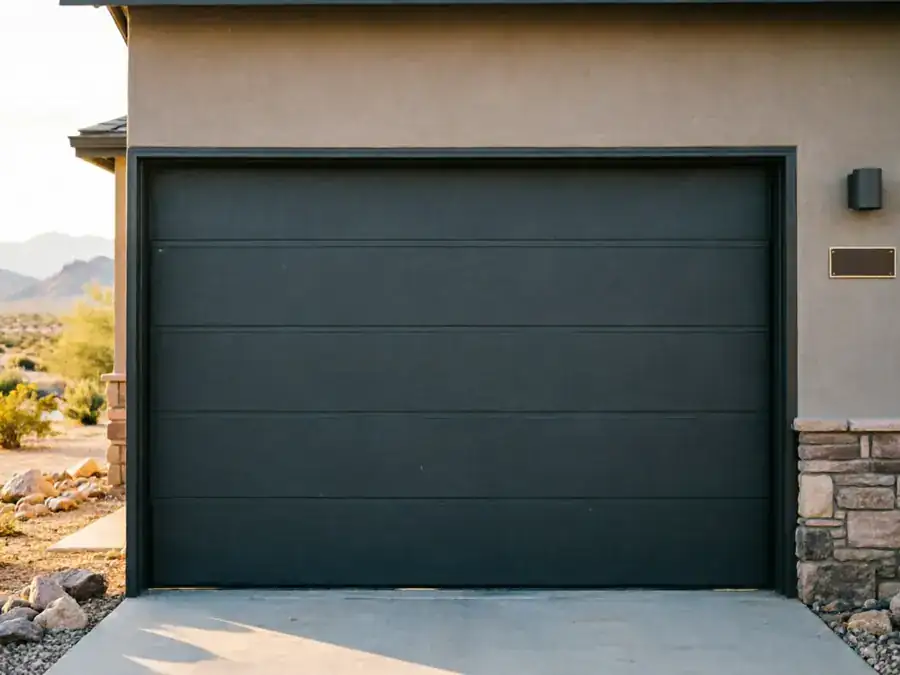
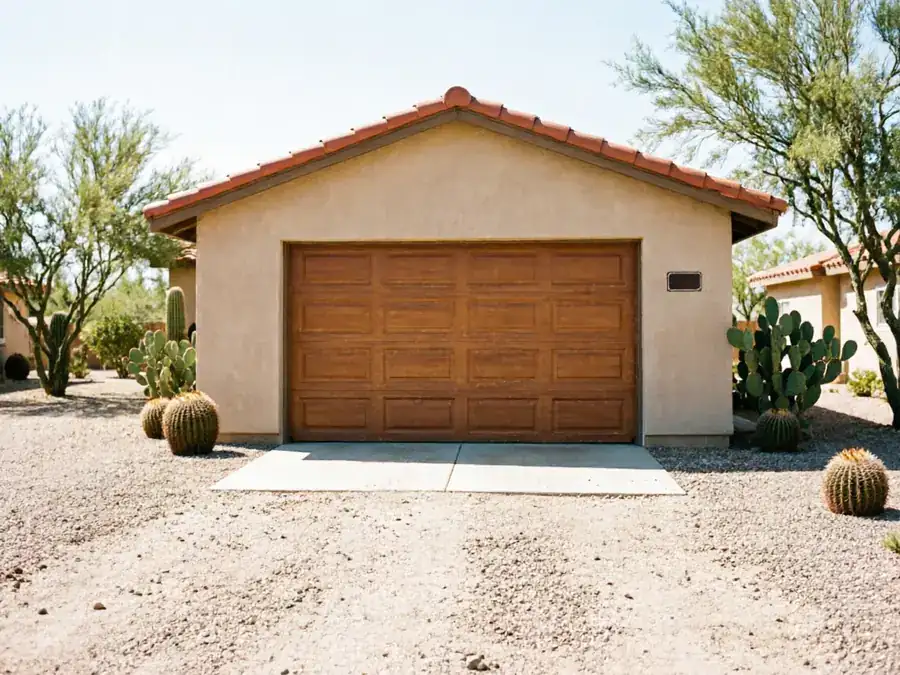
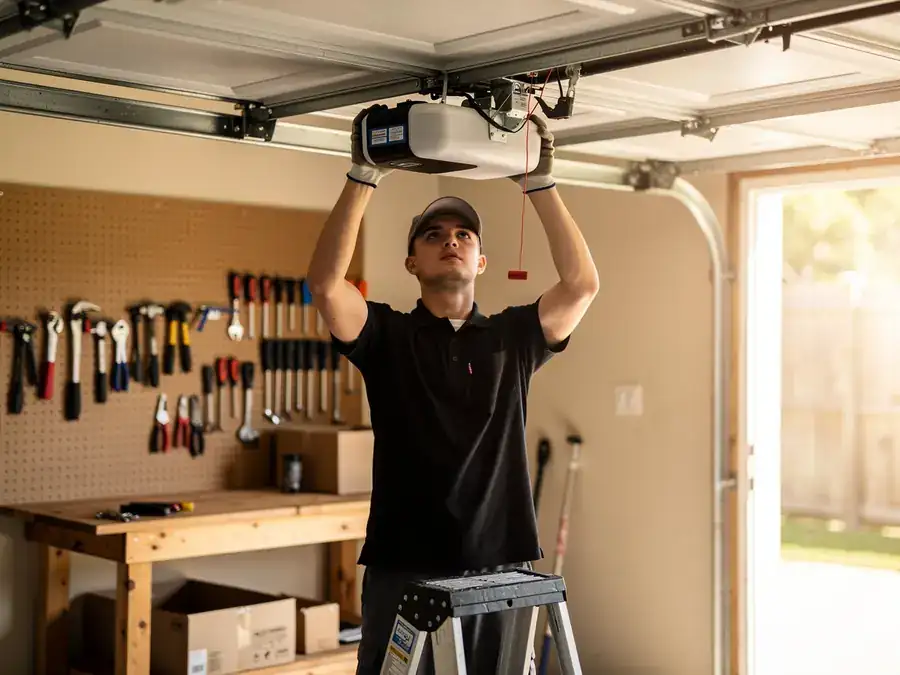
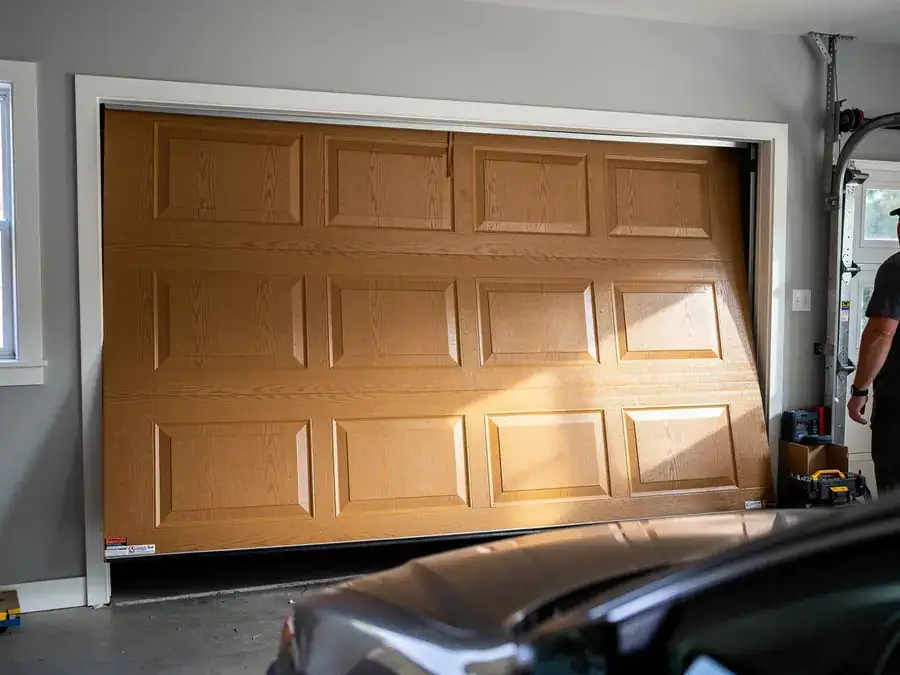
It's 82,039 households, big enough that the maintenance calls coming out of it follow a pattern rather than a one-off story. Most of this suburb went up around 2006, which is newer than the service area's overall median build year of 1994 and newer than the 1980s-90s stock that makes up most of the other named areas Henderson Garage Door Pros covers. That matters because builder-grade hardware from a 2006 construction wave is now hitting the point where factory lubricant has dried out and the cheaper composite rollers that came standard on tract-home doors are starting to crack. You'll notice it as a door that shudders partway through its travel, an opener that grinds before it catches, or a close cycle that reverses for no obvious reason. None of that is dramatic yet. It's the sound of hardware reaching the age where it needs attention instead of replacement - if it gets attention now.
- 82,039 households
See the broader territory at our Enterprise area page
Or check what maintenance covers across the rest of the service area on the Henderson maintenance page.
What Can Go Wrong
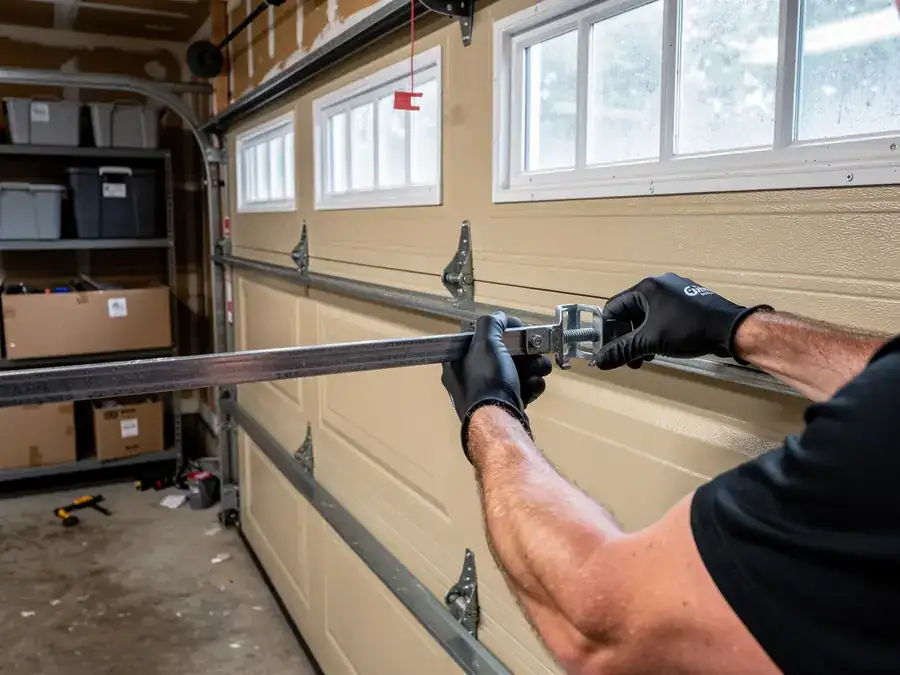
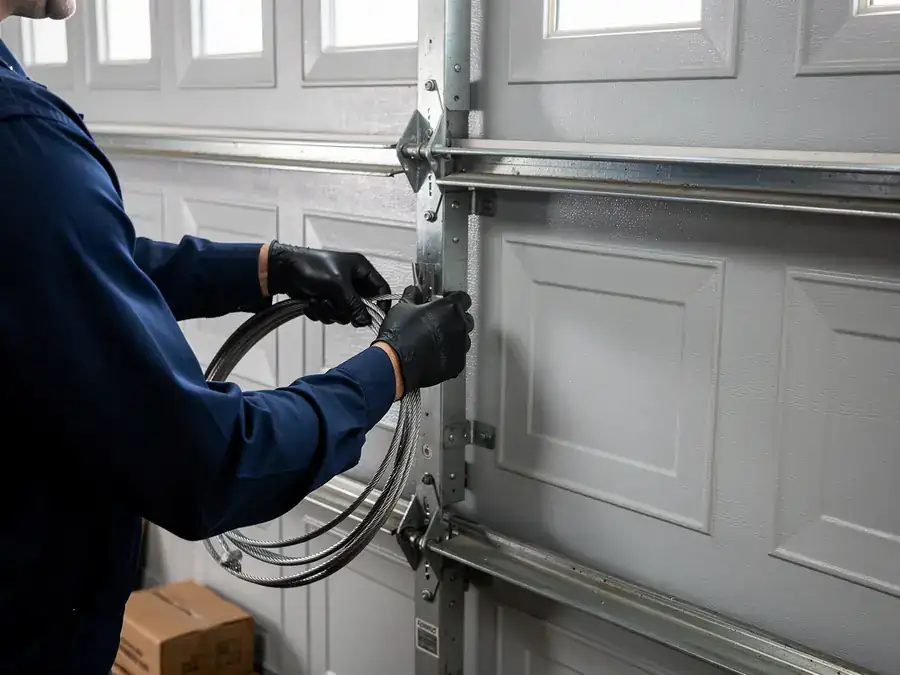
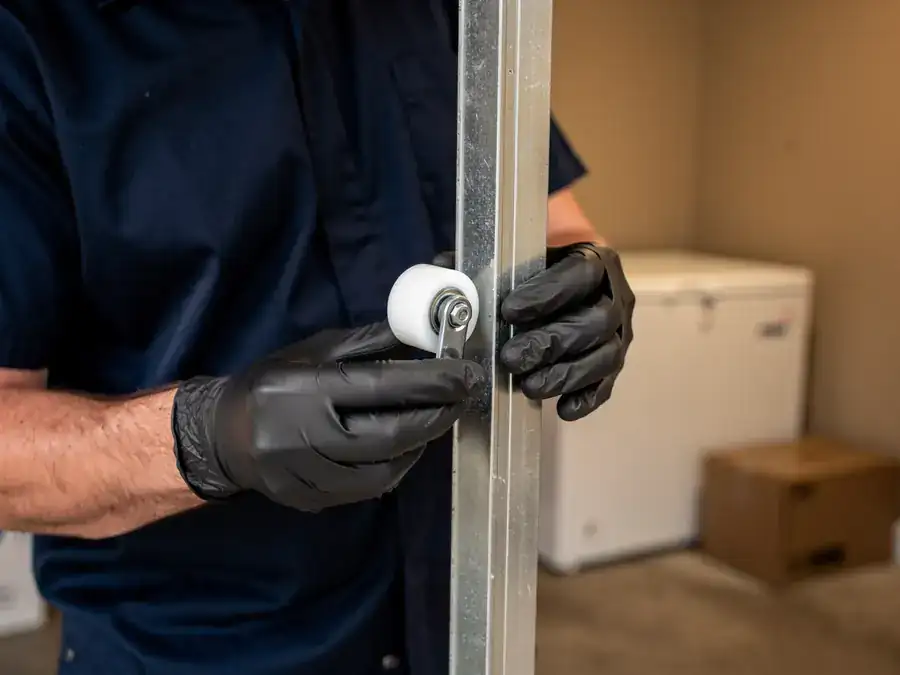
The service area sits in a severe heat band, and heat is hard on the parts that flex. Nylon and plastic rollers - standard on a lot of 2006-era builder doors - go brittle and start chipping at the edges after enough summers of expansion and contraction. Torsion springs wound and tensioned under factory specs lose their coil tension faster when the garage itself runs hot, which on a two-story Enterprise floor plan with the garage under living space is common. Weatherstripping along the bottom panel cracks and lets heat and dust into the garage, which then works on everything else inside it, including the opener's logic board. Builder-installed openers from that construction window are now around the age where capacitors and circuit boards start to fail intermittently before they fail completely - you'll get a door that works nine times out of ten, which is often worse than one that just stops. None of this is unique to one house; it's the same hardware, installed in the same years, aging under the same sun.
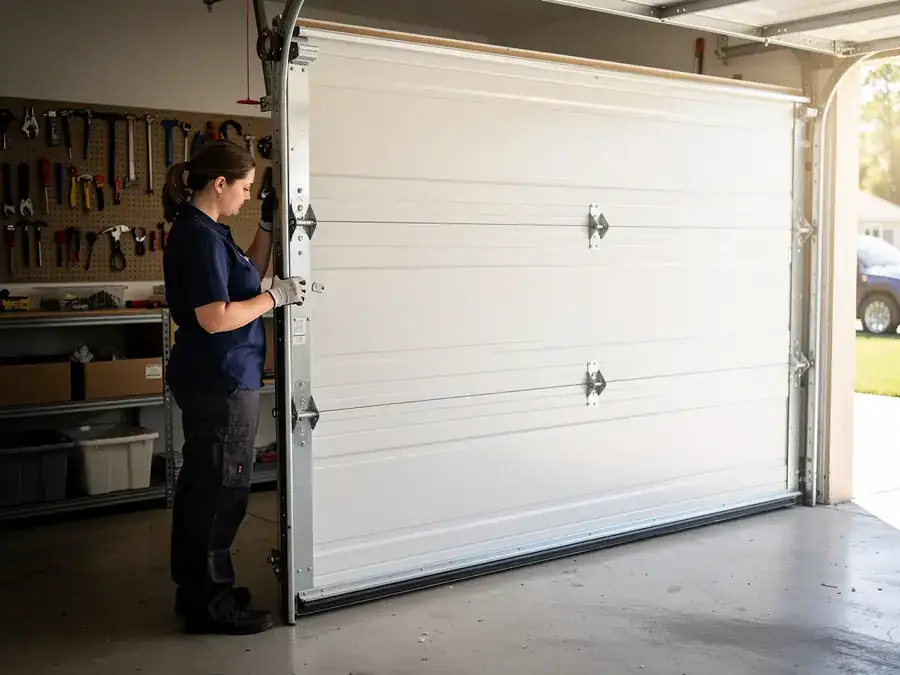
Track alignment can also drift as concrete slabs settle over nearly two decades, which throws off roller travel even on a door that's otherwise sound.
What It Costs
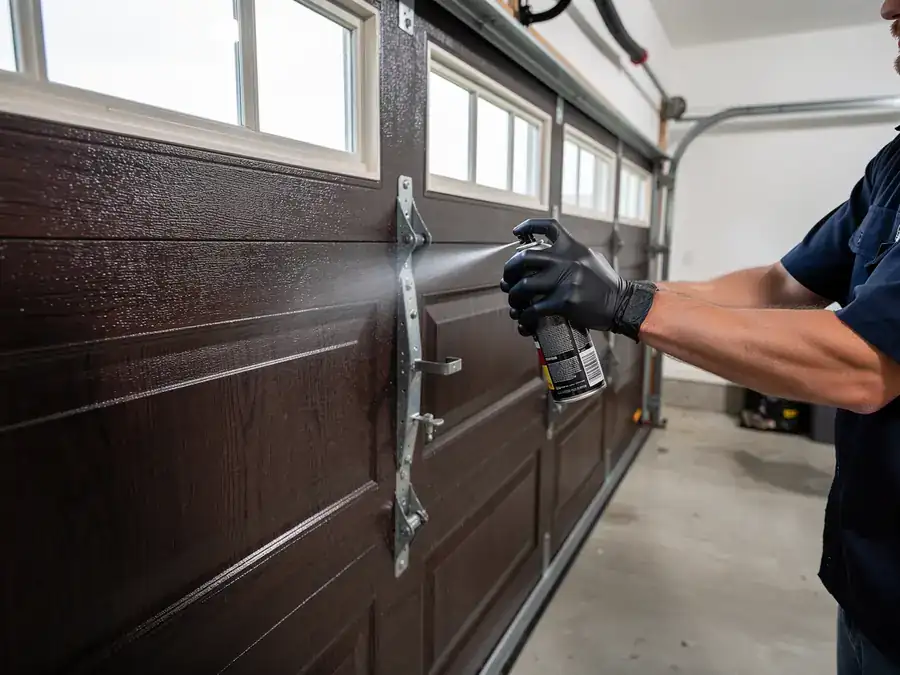
We don't have a flat number to quote you here without seeing the door, and we're not going to invent one. What we can tell you is what we see driving the decision in this suburb specifically: median household income in Enterprise runs $93,980, well above the service area's overall median of $66,312, and in practice that means more owners here choose a full tune-up over patching one symptom and waiting for the next one. A full visit covers spring tension, roller condition, track alignment, hinge wear, and opener sensor alignment in one trip rather than four separate calls over two years. If a spring is already down to its last few coils or an opener board is failing outright, that's a repair or replacement conversation, not a maintenance one - we'll tell you straight if that's where your door is instead of selling a tune-up that won't fix it.