The DIY Question
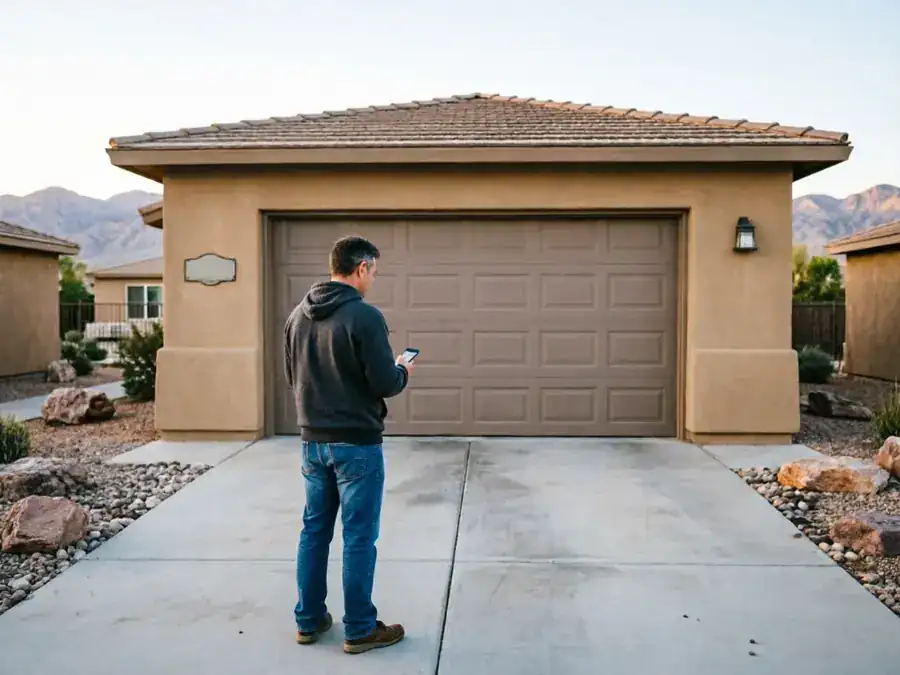
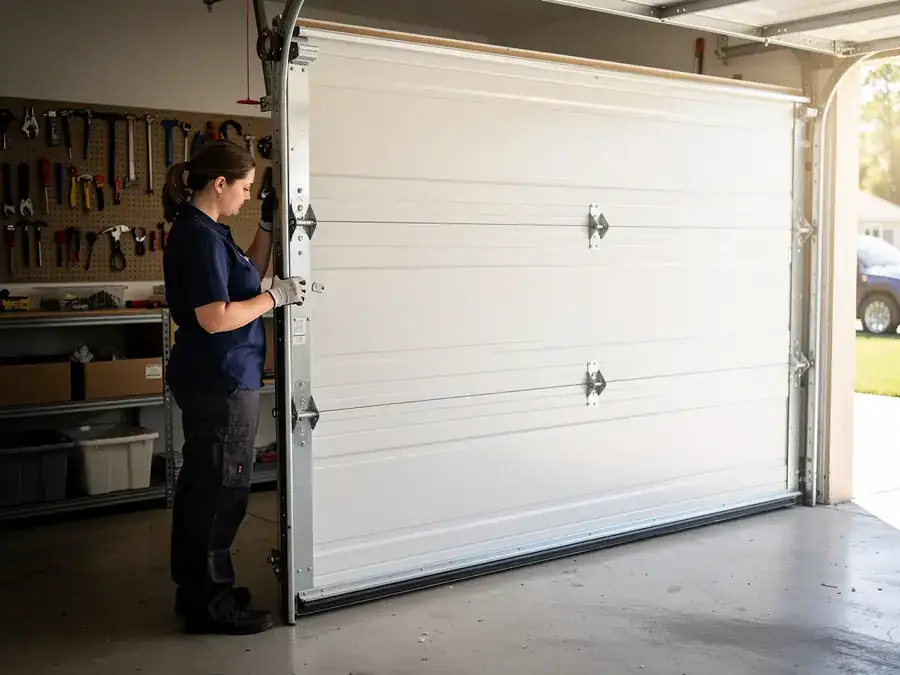
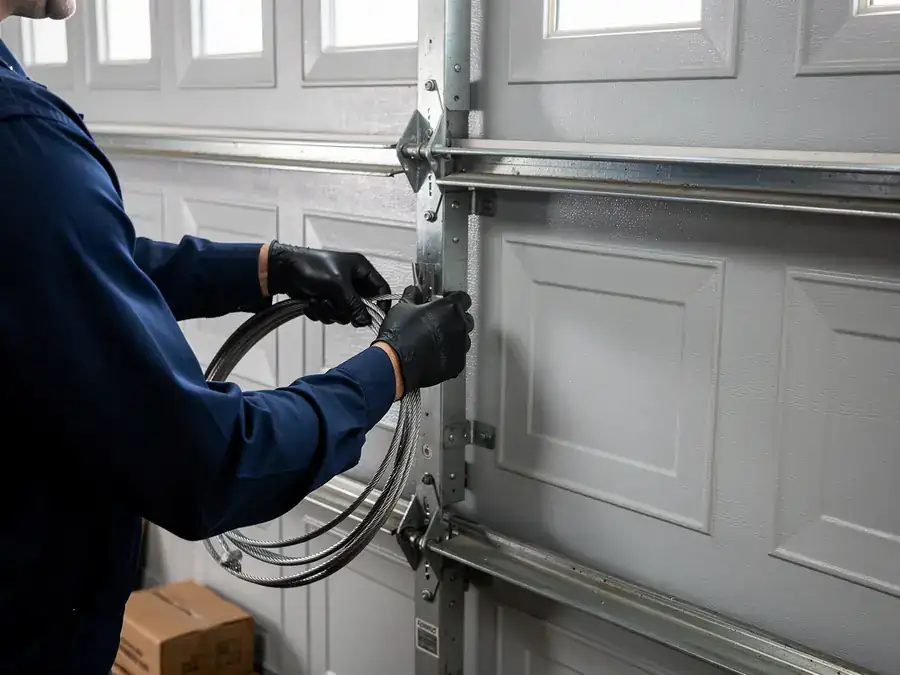
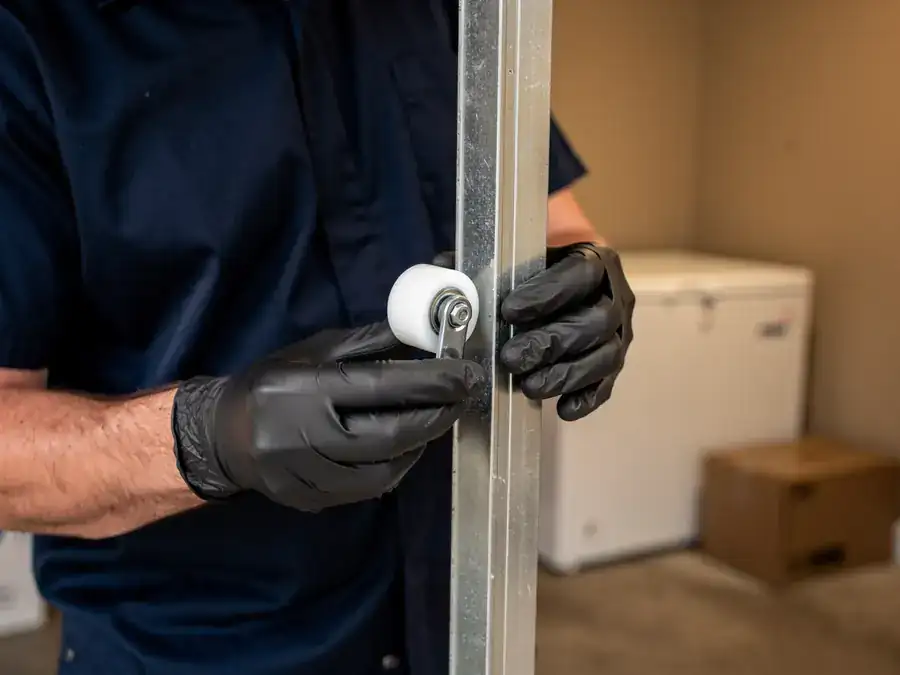
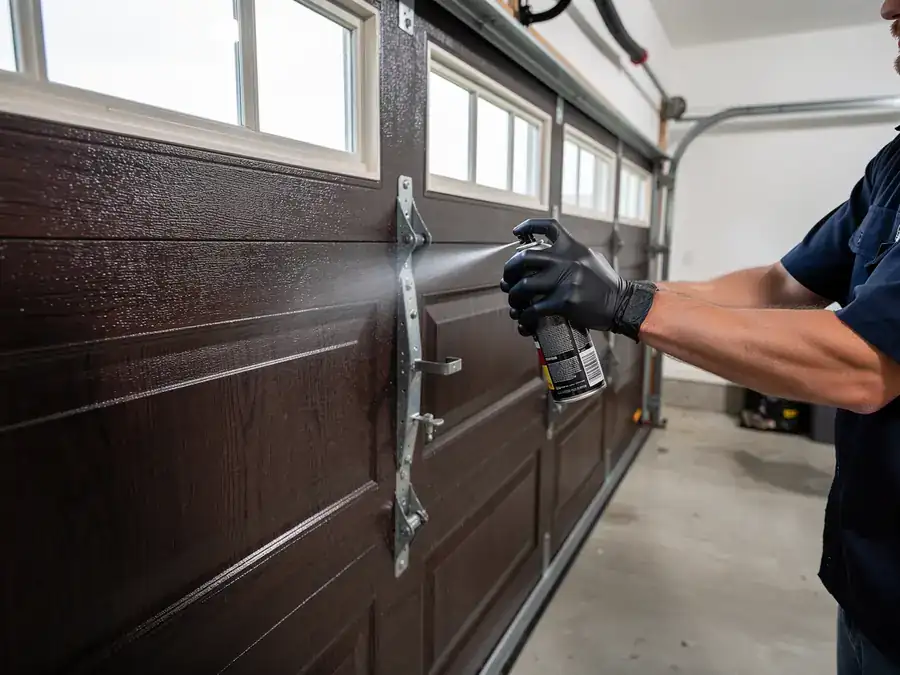
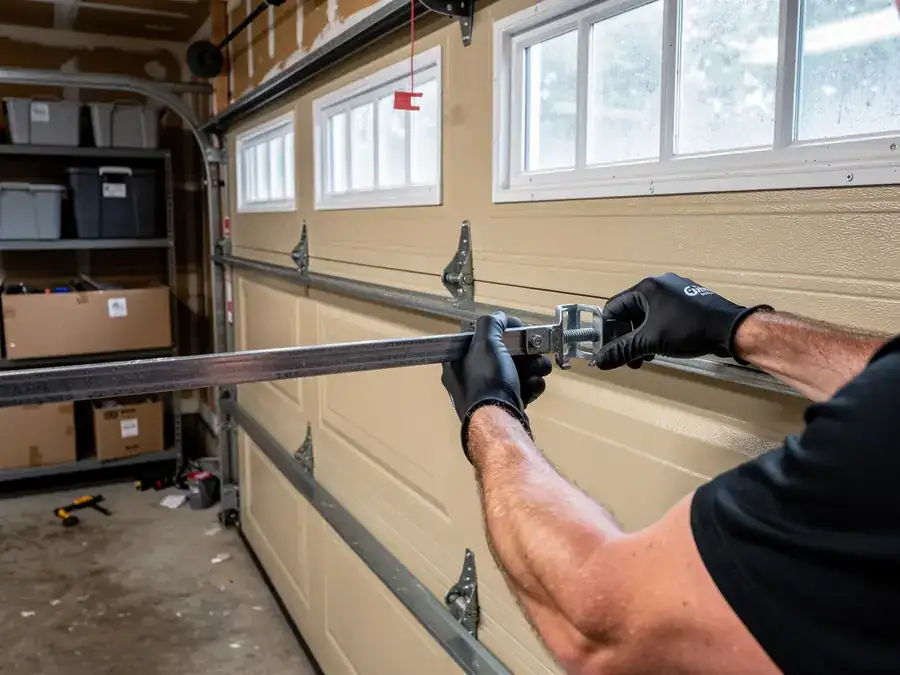
A torsion spring under tension is not a weekend project - if it lets go while you're working on it, it can break bones or worse. Same goes for anything involving the cables. Where you can reasonably do your own troubleshooting: check the opener's photo-eye alignment if the door reverses before touching the floor, lubricate rollers and hinges with a garage-door-specific lubricant (not WD-40, which washes out grease), and make sure the track bolts haven't vibrated loose. If the door is heavy to lift by hand with the opener disconnected, that's a spring problem, and that's not a DIY fix. We'd rather you call before you've already pulled something apart than after.
What the Fix Involves
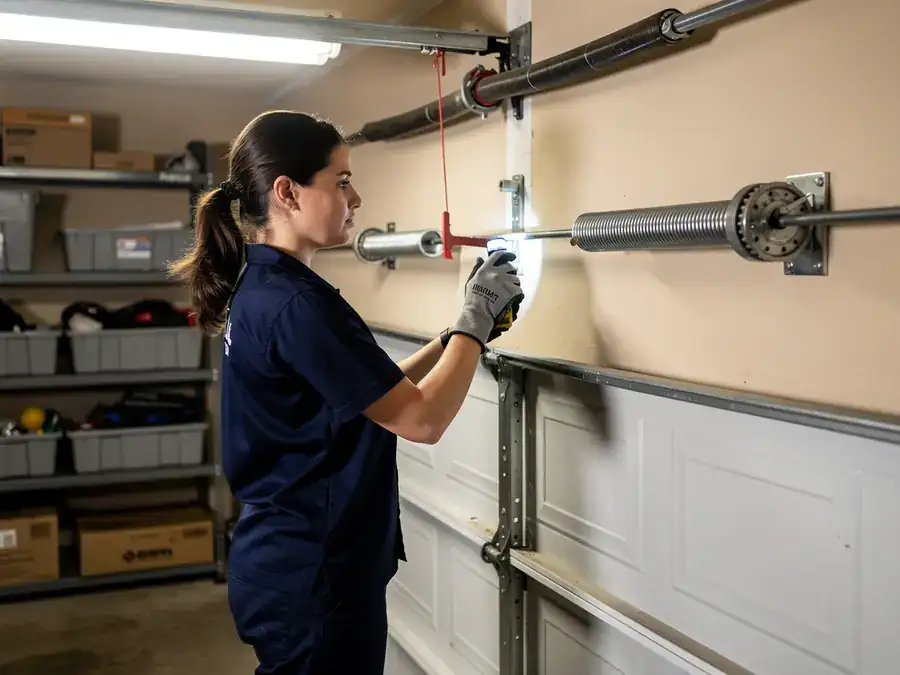
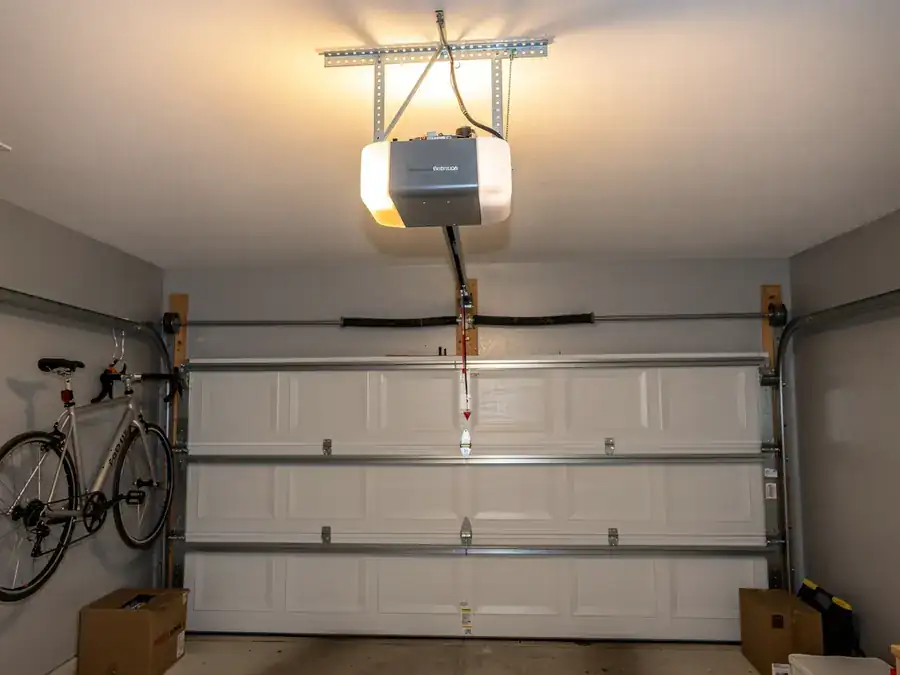
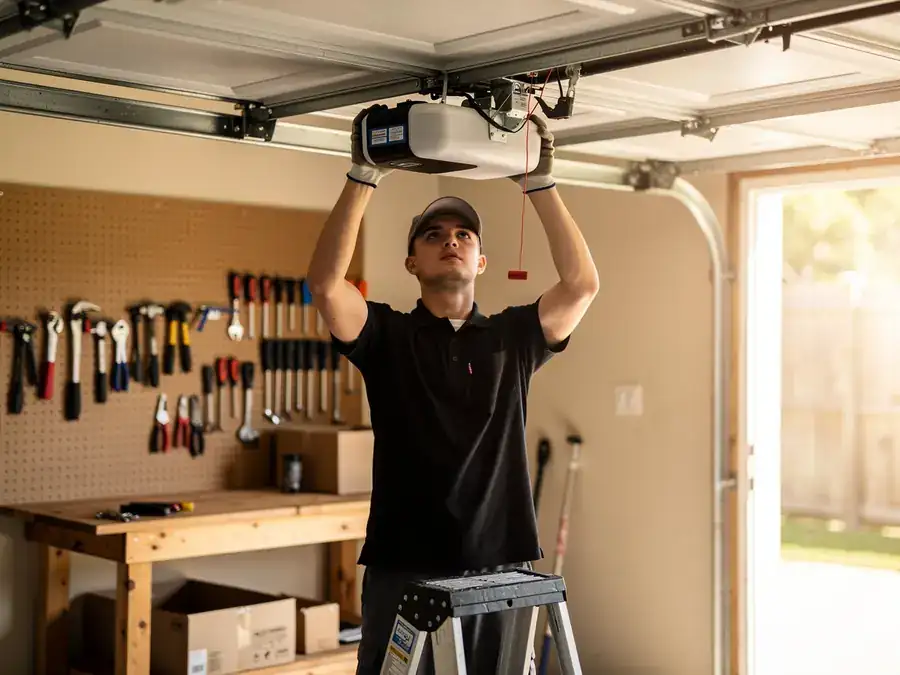
Most repair calls here start with a diagnosis on-site, not a guess over the phone - we need to see whether the issue is the spring, the opener, the track alignment, or a cable that's frayed near the drum. For a spring replacement, that means matching the wire gauge and wind to the door's weight, which varies more than people expect once you factor in insulated versus non-insulated panels, common in houses built in the early 2000s push toward better-sealed garage spaces for the Las Vegas valley's heat. Opener repairs usually come down to the logic board, the drive gear, or the safety sensors rather than the whole unit needing replacement. We'll tell you straight if a repair isn't worth it compared to replacing a 20-year-old opener that's already nearing the end of its expected service life.
Why This Fails Locally
The median income for households in this part of the valley runs around $63,480, a bit below the wider Henderson service area's $66,312, which tends to mean more owners hold onto an aging opener or spring a season or two longer than they would otherwise, running it until it fails outright instead of replacing early. Combine that with a housing stock centered on 2002 - meaning original hardware on a lot of these doors is now pushing past the 20-year mark that springs are typically rated for - and the failure pattern out here skews toward sudden, full stop breakdowns rather than slow degradation. Heat plays its part too: in a climate this severe, grease dries out faster and metal fatigue on torsion springs accelerates, so a spring rated for a certain cycle count in a milder climate burns through that count sooner here.
What You Are Seeing
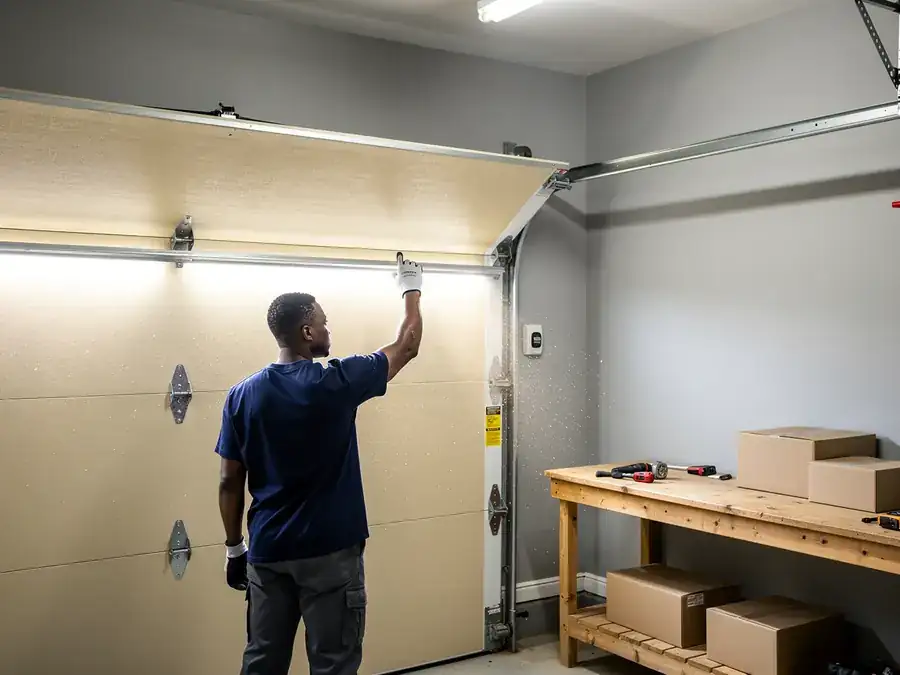
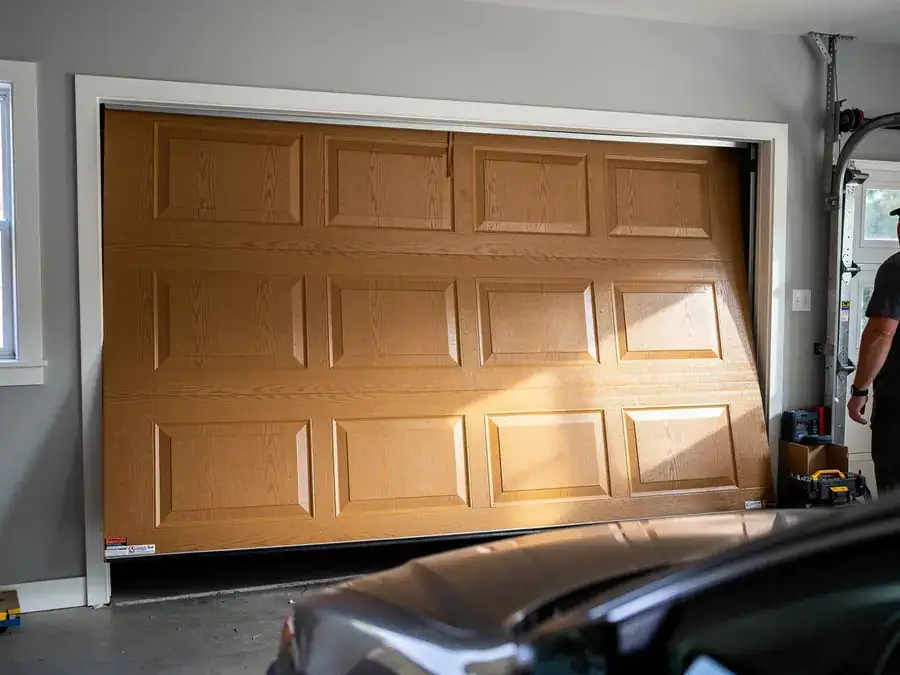
If your door is jerking unevenly on one side, that's usually a cable or spring on one side wearing faster than the other. If it won't open at all and the opener motor is humming, that's often the capacitor or the drive gear, not the spring. A door that opens fine but reverses halfway down is almost always the photo-eye sensors - check for dust or misalignment first. Loud grinding or popping on an opener built in the early 2000s often points to a worn drive gear, a known weak point on openers of that age. None of these are urgent safety issues to live with for a day or two, except a spring that's visibly separated - don't try to operate the door at all if you see a gap in the coil.