What Can Go Wrong
Whitney is a big area to service
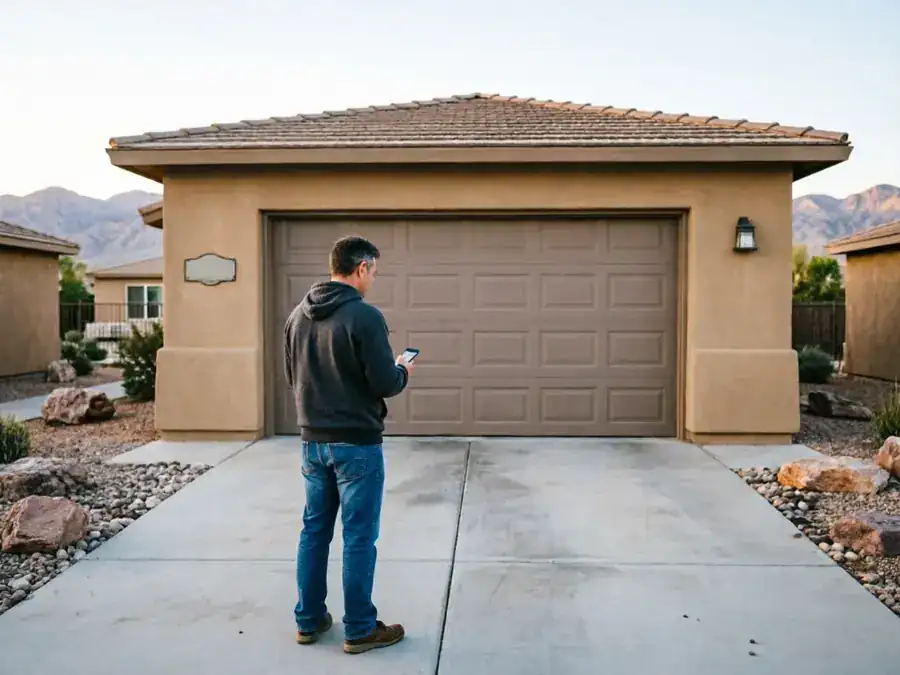
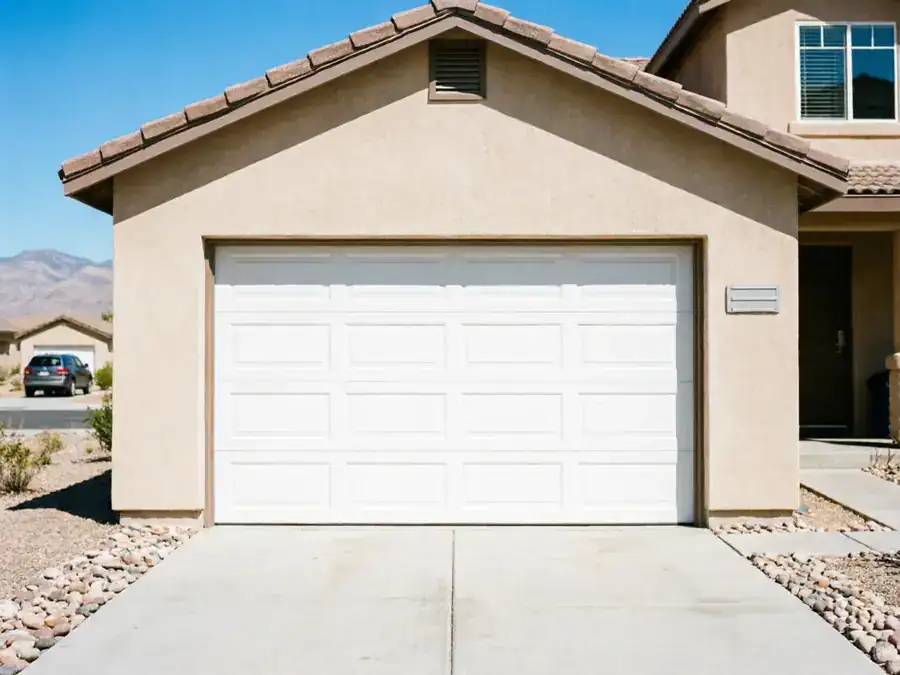
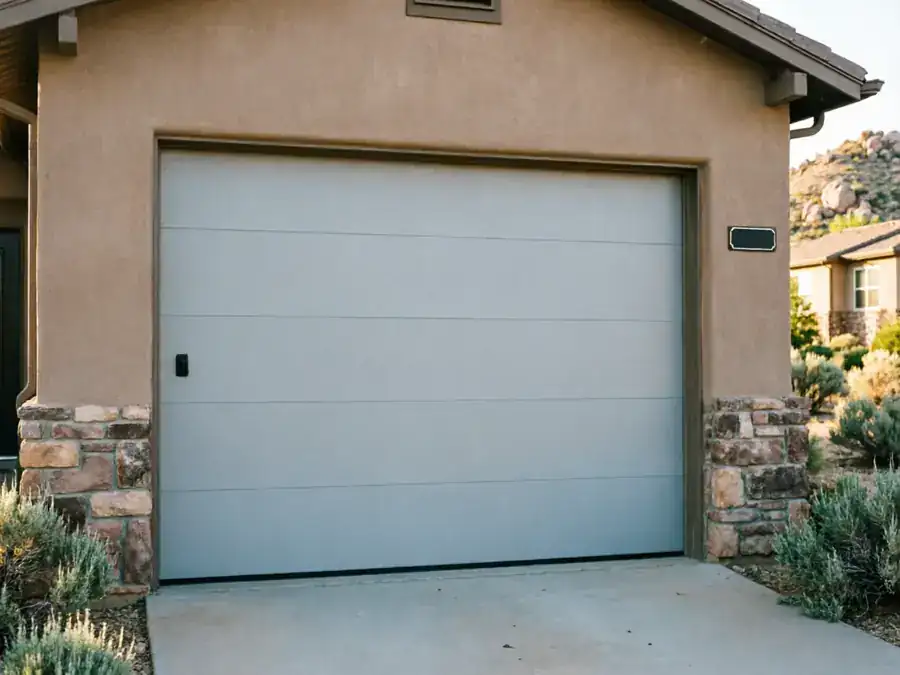
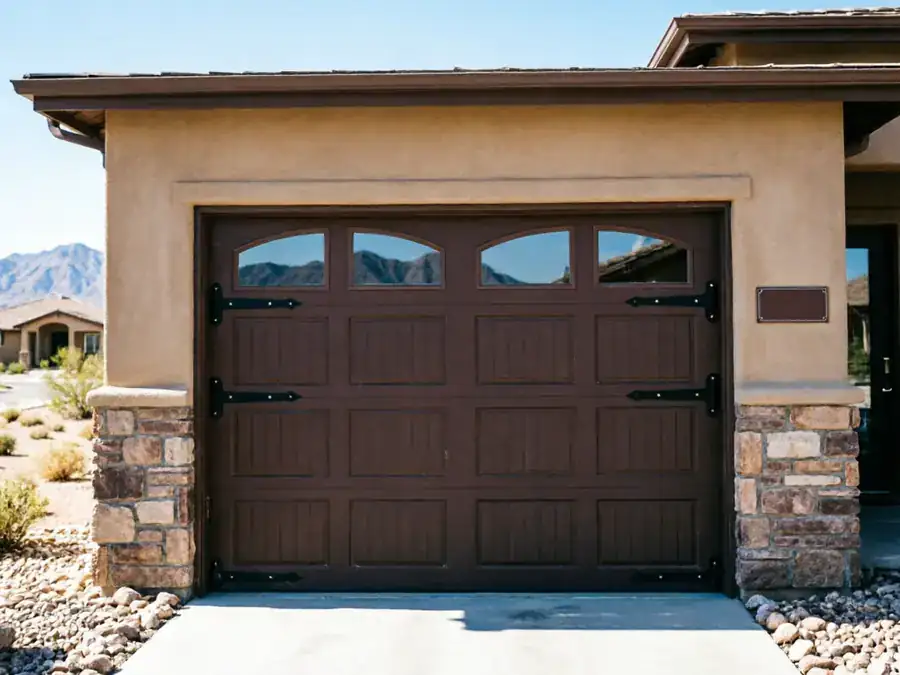
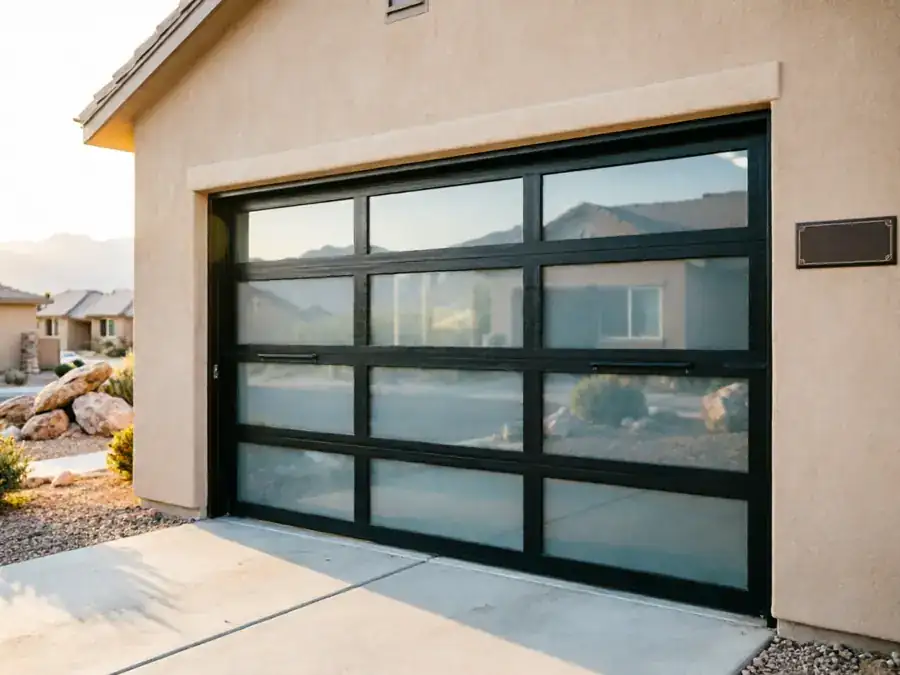
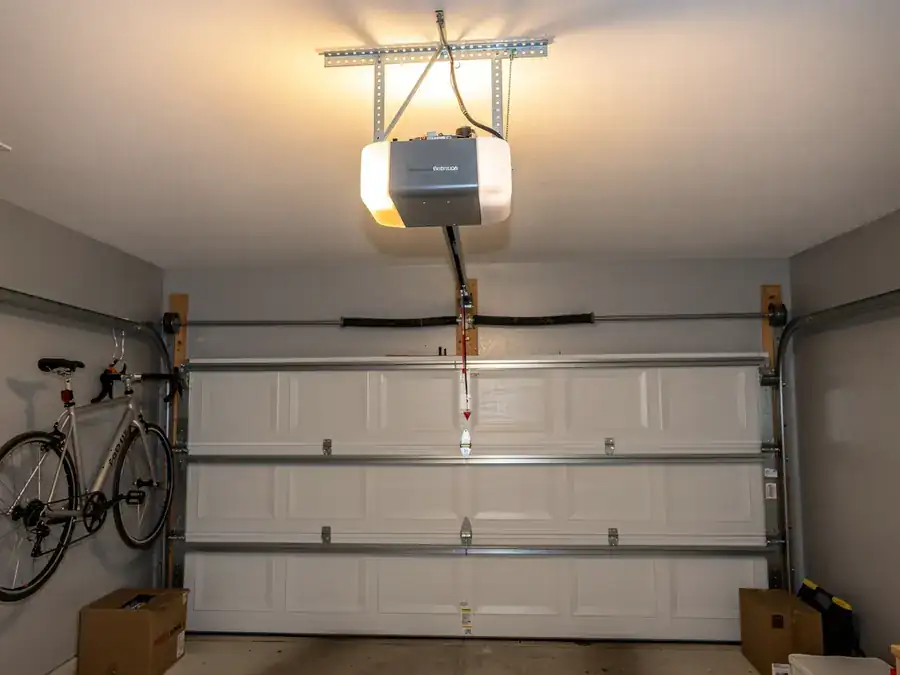
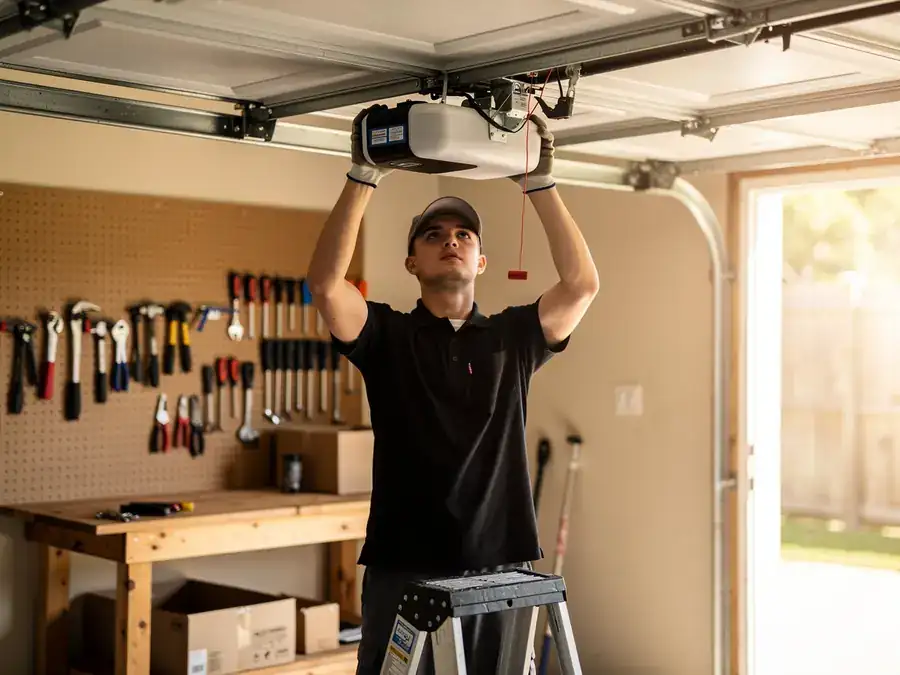
16,209 households, which means a lot of garage doors going up and down twice a day, every day. Most of this neighborhood went up around 2002, so you're not dealing with the ancient one-piece doors you'd find in an older part of the valley. You're dealing with steel sectional doors on torsion springs, paired with openers that were mid-range for their time - chain drive units, early circuit boards, the first generation of rolling-code remotes.
- 16,209 households
Twenty-plus years on, that's exactly the equipment that starts failing
Torsion springs are rated for a number of cycles, not a number of years, and a door opened twice a day since 2002 has put a lot of wear on that spring. Openers from that era are also hitting the point where the logic board or the motor capacitor just gives out. None of this is exotic. It's the ordinary end of a 20-year-old garage door system, happening across a lot of houses at roughly the same time because they were all built in the same few years.
The DIY Question
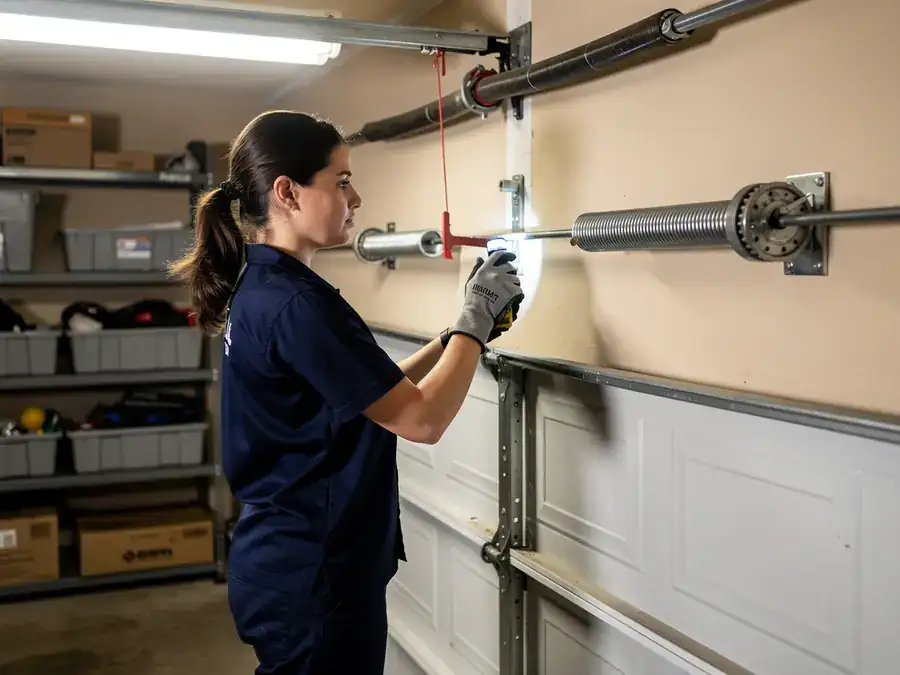
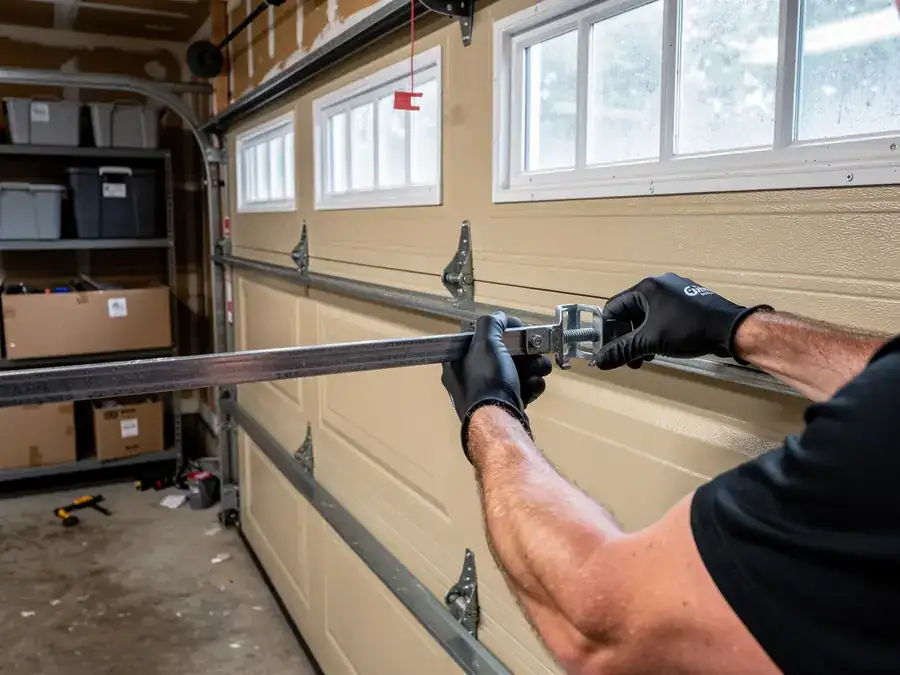
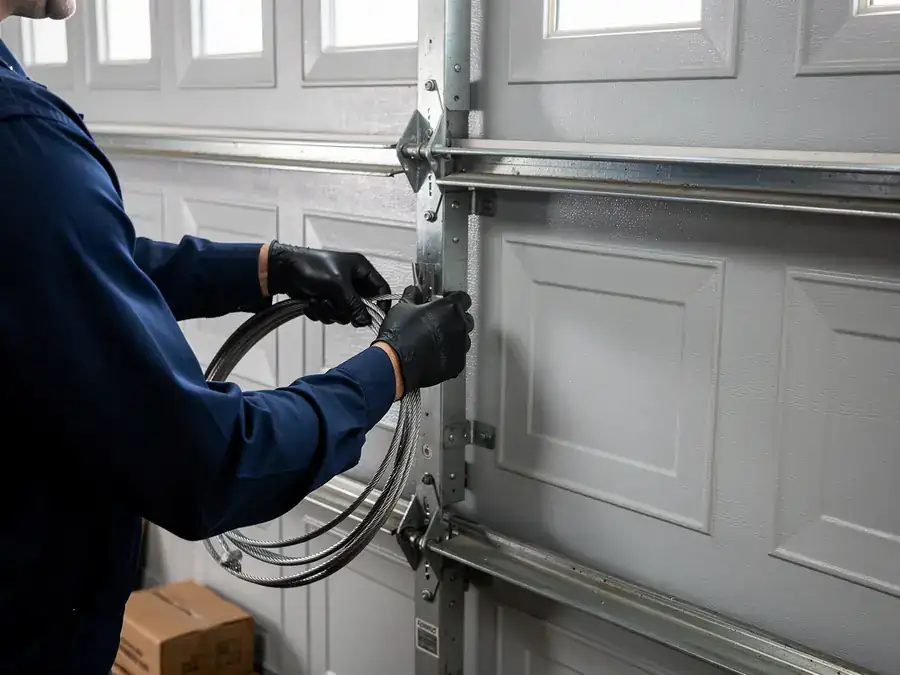
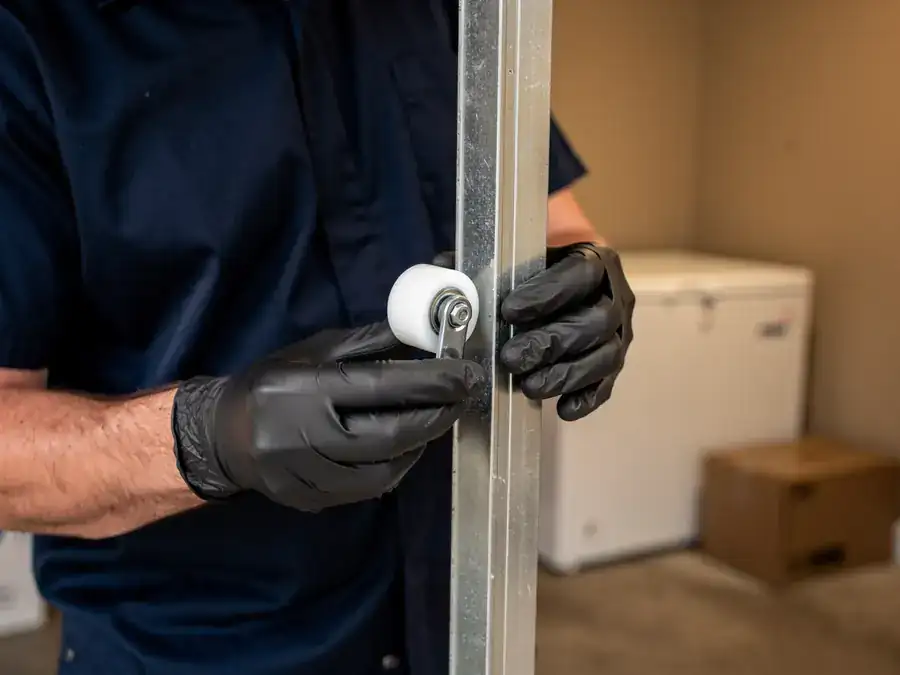
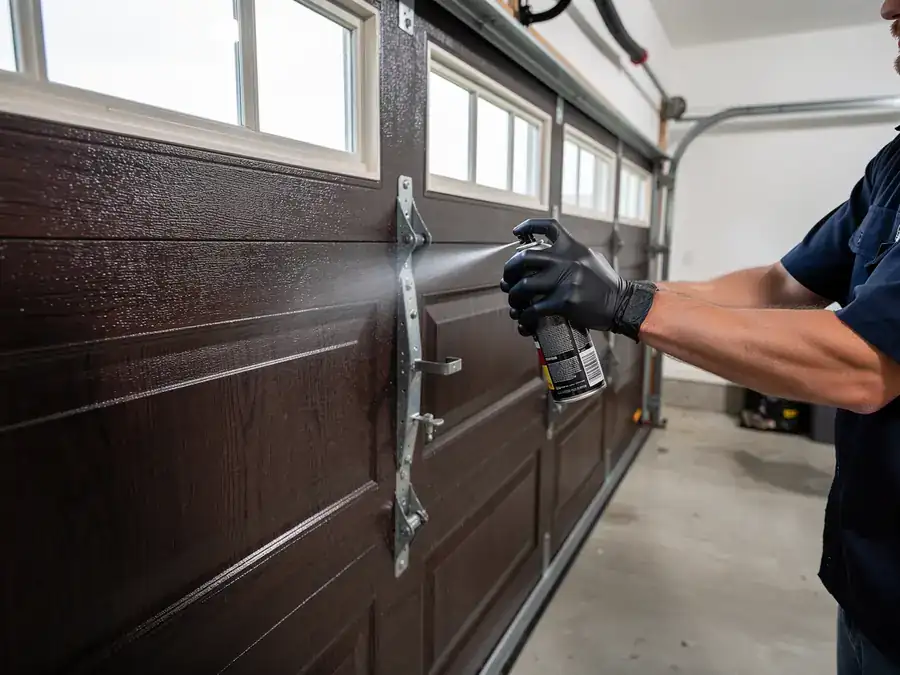
A lot of homeowners look at a sagging door or a dead opener and figure it's a weekend project. Some of it is - lubricating hinges, tightening loose bolts, replacing a worn weatherstrip. Swapping a torsion spring is not on that list. These springs are wound under heavy tension, and a spring that's been under load since 2002 can let go with enough force to break a hand or worse. We're not going to tell you every repair needs a pro, but spring replacement, cable replacement, and anything involving the torsion bar are jobs where the margin for error is thin and the cost of getting it wrong is high.
What the Fix Involves
For a torsion spring job on a house this age, we're matching spring wire size and wind to a door and opener combination that's been in service for two decades, which sometimes means the original spring was already a slightly off match from the builder. We check the cable condition, the drum, and the bearing plates at the same time, since all of that wears together. On openers, if the unit is original to the house, we'll often tell you straight that a repair isn't worth it - parts for a 20-year-old opener board are getting hard to source, and a new opener with a battery backup and a modern receiver is usually the better spend. That's the one honest tradeoff on a lot of these calls: fix the door, replace the opener.
Why This Fails Locally
Severe heat is the other half of the story. Metal springs and cables expand and contract through repeated heat cycles, and lubricant that would last years in a milder climate breaks down faster here. On a door system already pushing 20 years of cycles, that heat load speeds up corrosion on cable ends and dries out spring coating faster than the spring's rated life would suggest. It's the combination - age plus heat - that brings a lot of these calls in together rather than spread evenly over the year.
What You Are Seeing
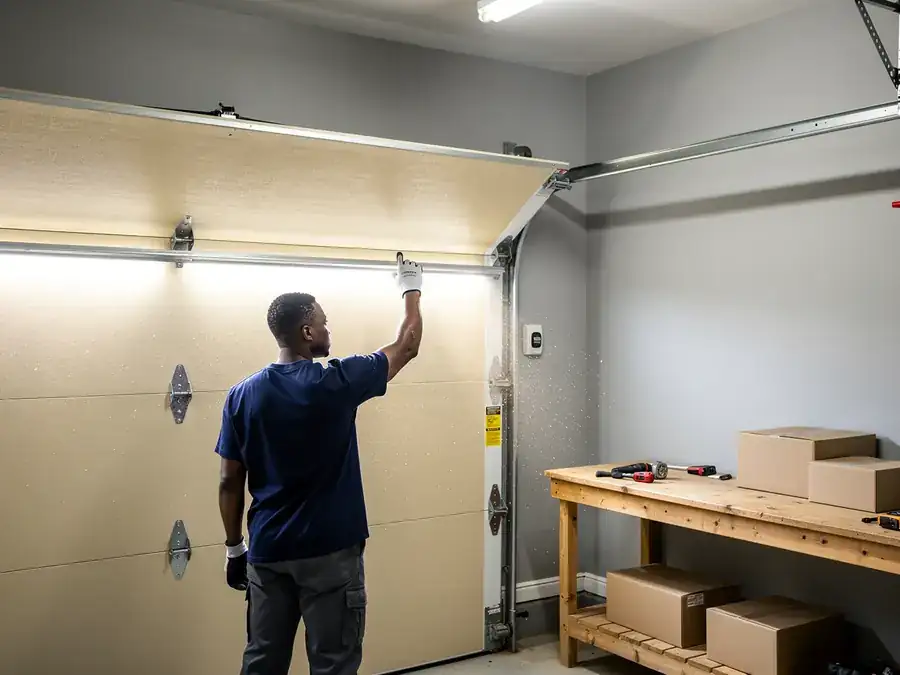
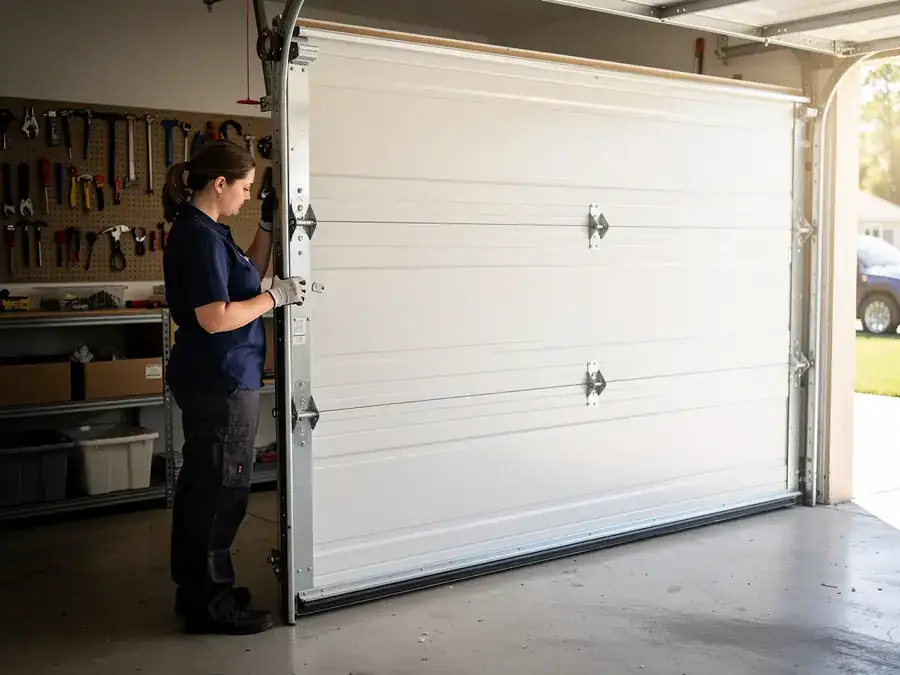
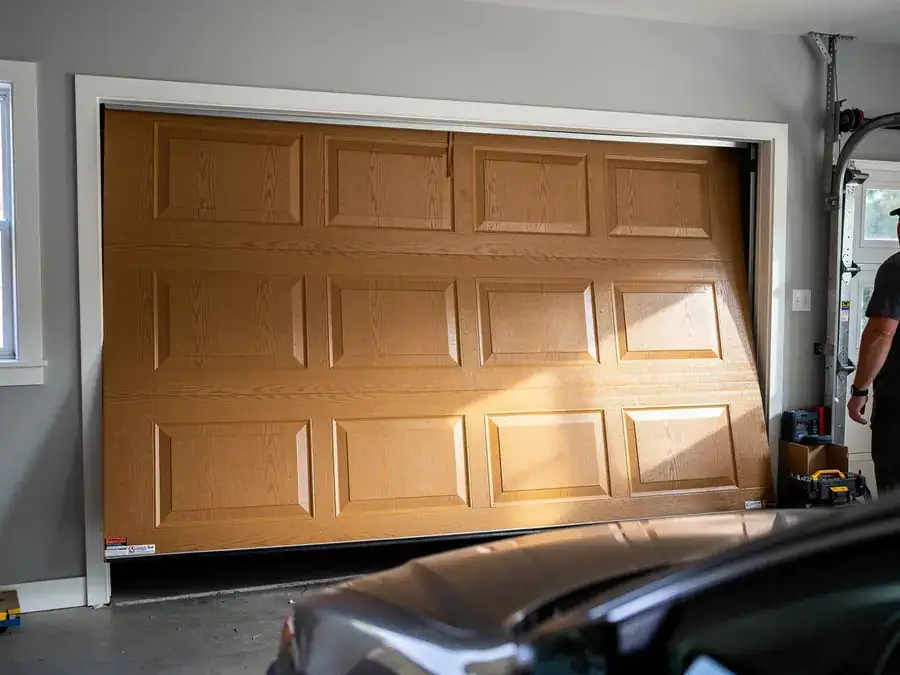
If your door is from the original 2002-era build and it's started making a loud bang, that's very likely a torsion spring snapping - stop using the door and call. A door that drifts shut on its own, or one side that visibly sags lower than the other, points to uneven spring tension or a worn cable. An opener that runs but doesn't fully close, or that needs the wall button held down, is often the circuit board giving out rather than the motor. None of these are urgent in the sense of a flood or a gas leak, but a door stuck open is a security problem, and a snapped spring under load is a safety one.