The DIY Question
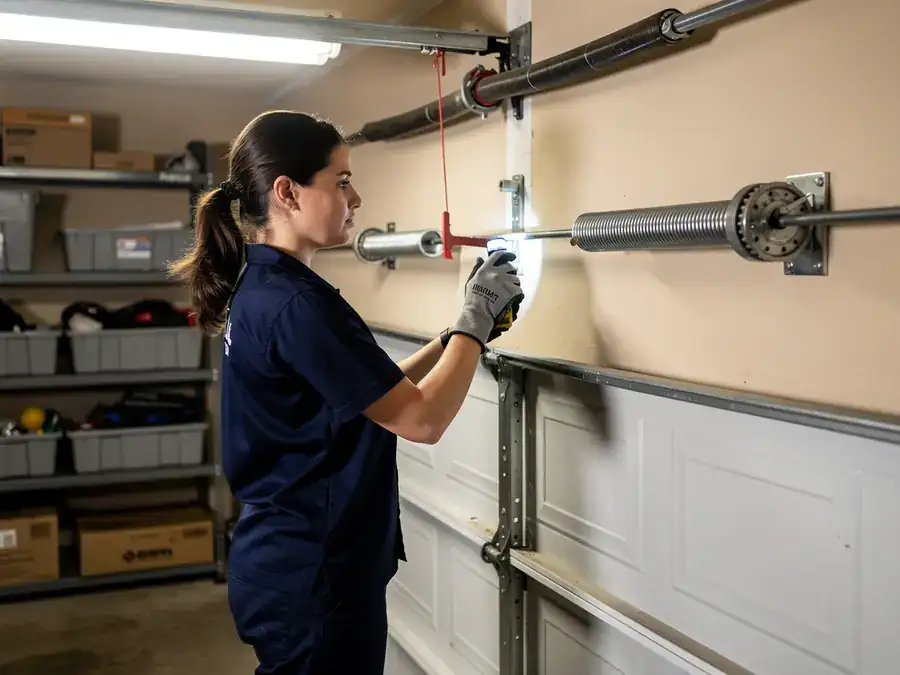
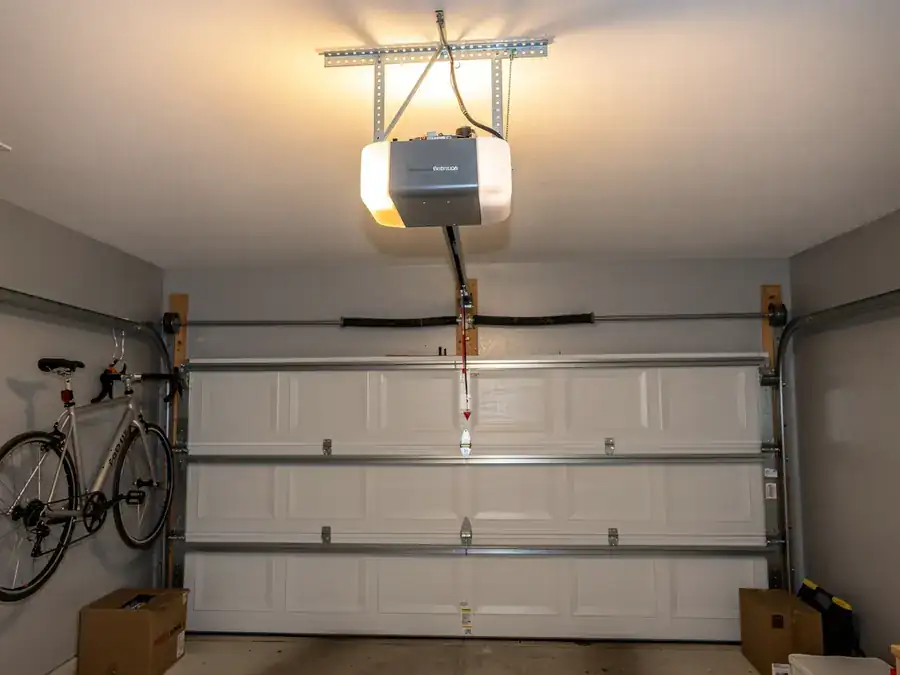
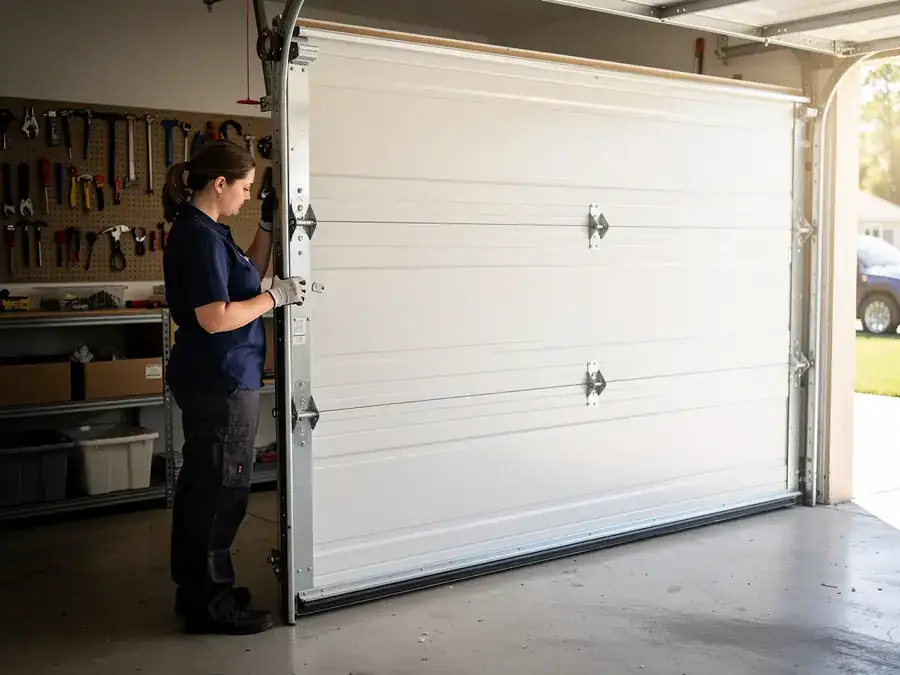
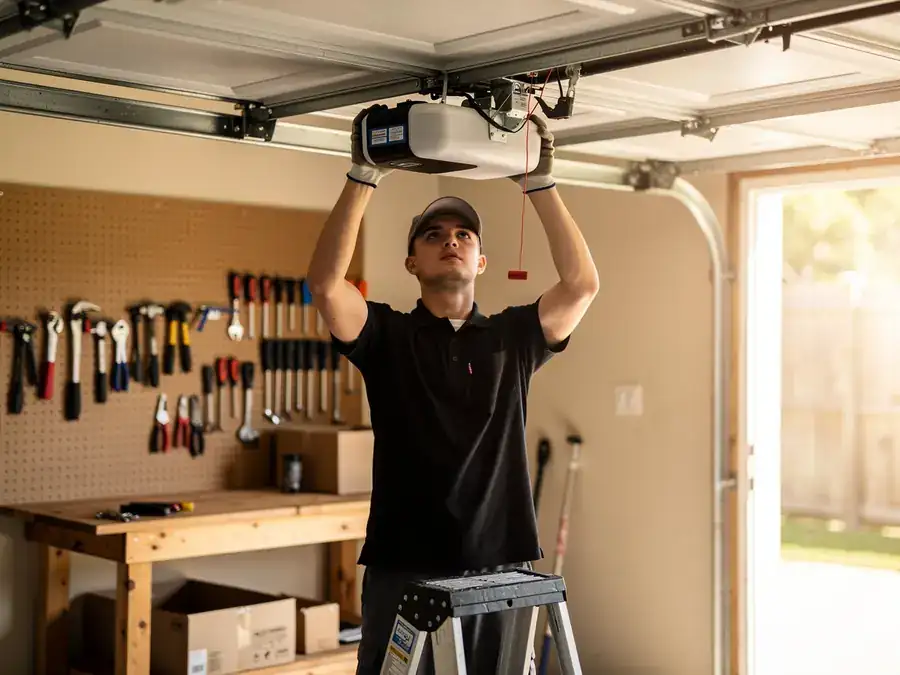
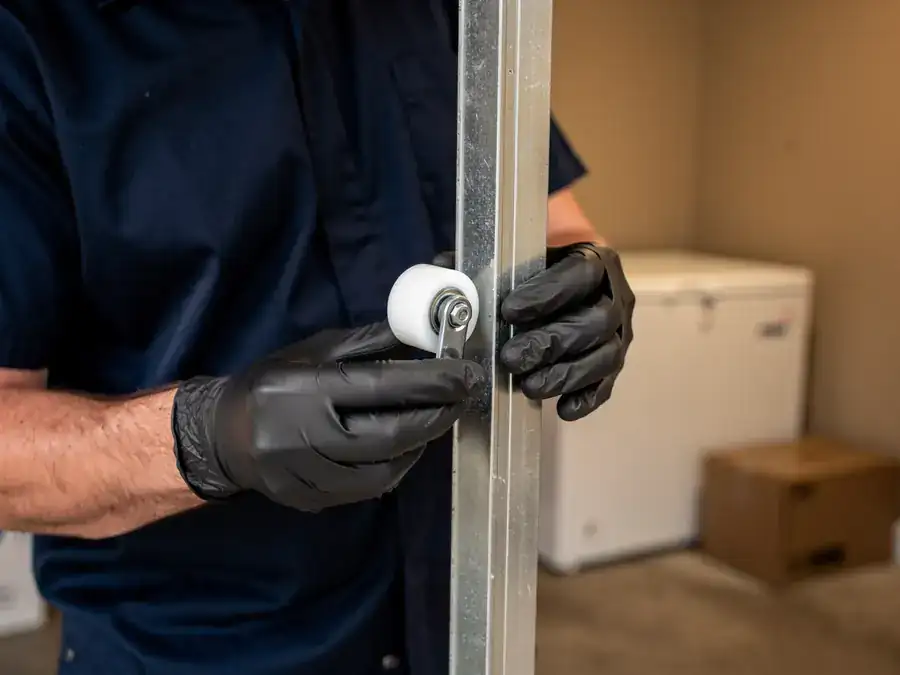
Rollers on the bottom bracket sit close to a wound torsion spring, and that's the part of this job we don't recommend doing yourself - the spring holds real tension and it doesn't forgive a mistake. The rollers in the middle and top sections of the door are a different story; those come out one at a time with the door down and no spring involved, and plenty of handy owners manage that swap fine. Where people get into trouble is on the heavier raised-panel doors common to Whitney's early-2000s builds - more weight per roller means more force if something slips. If you're comfortable with hand tools and patience, the non-bottom rollers are a reasonable project. If the bottom bracket is involved, or the door won't hold position on its own, that's a call for a tech, not a Saturday project.
What the Fix Involves
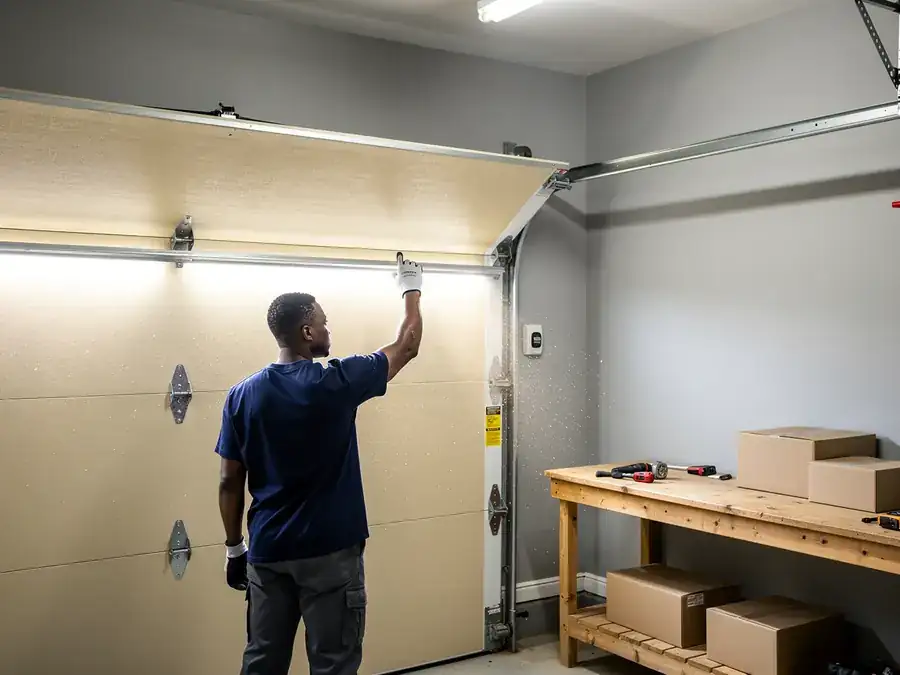
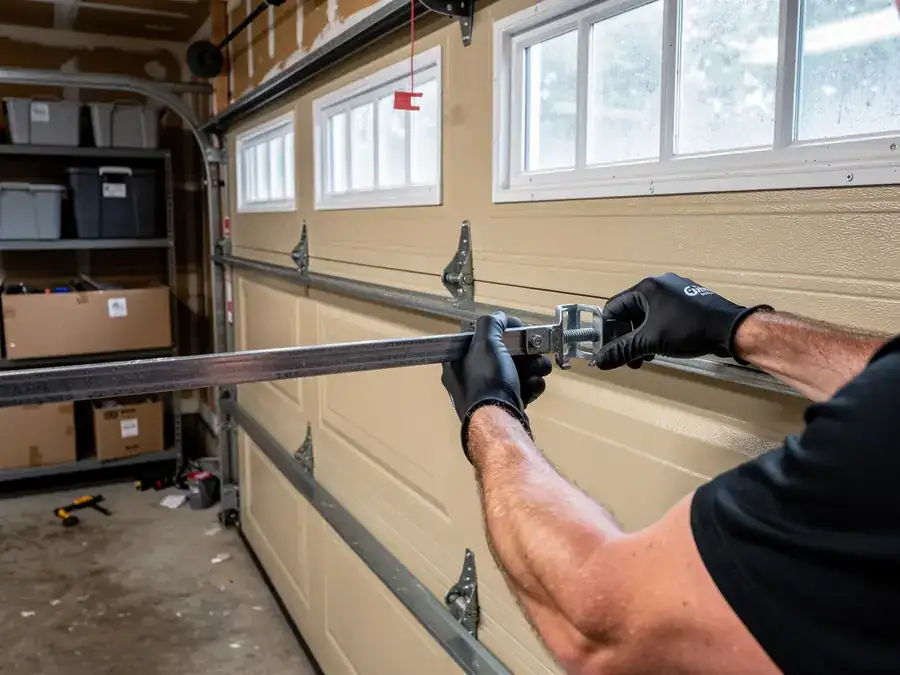
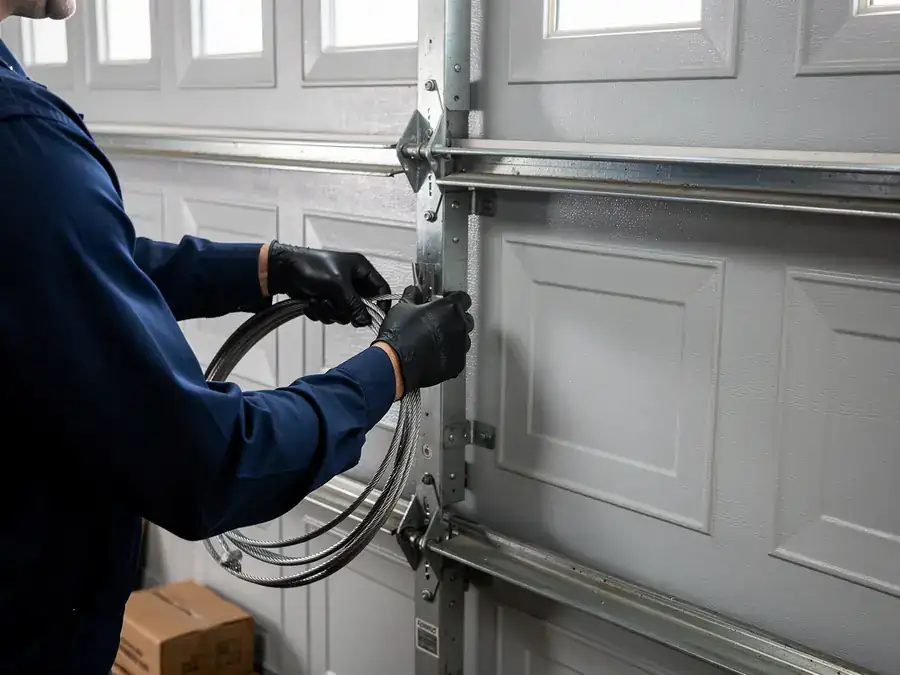
The job starts with the door disconnected from the opener so nothing moves on its own. Each roller comes out of its hinge, one section at a time, starting at the top so the door stays supported. We check the track while we're in there - a worn roller often leaves a flat spot or a burr in the rail that'll chew up a new roller just as fast if it's ignored. Rollers get replaced with a matched set, not just the bad ones, since the rest are usually close behind on wear. Hinges get a check too; a stretched hinge hole is often the real reason a roller looked crooked in the first place. Once everything's back in the track, we run the door through a full cycle by hand before reconnecting the opener, listening for anything that still catches.
Why This Fails Locally
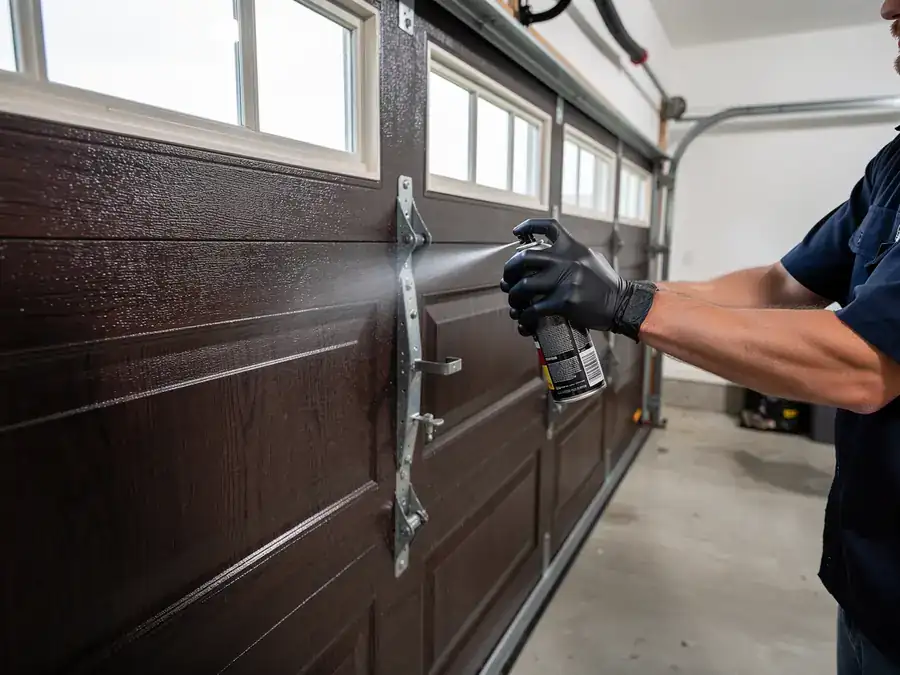
Henderson's service area carries a severe heat rating, and that heat is what turns stiff, quiet steel rollers into the grinding ones you hear now. Grease that would last years in a milder climate cooks out of steel roller bearings faster here, and nylon rollers left ungreased too long develop flat spots from sitting in a hot garage. Across Whitney's roughly 16,209 households, the garage doors going up throughout the early 2000s used the same handful of roller styles, which is why the symptoms repeat house to house - it's not bad luck, it's the same hardware aging on the same schedule under the same sun. With a median household income of $63,480, a lot of Whitney owners want the roller fixed, not the whole door replaced, and for most of these doors that's the right call - the track and panels usually have plenty of life left once the rollers are current.
What You Are Seeing
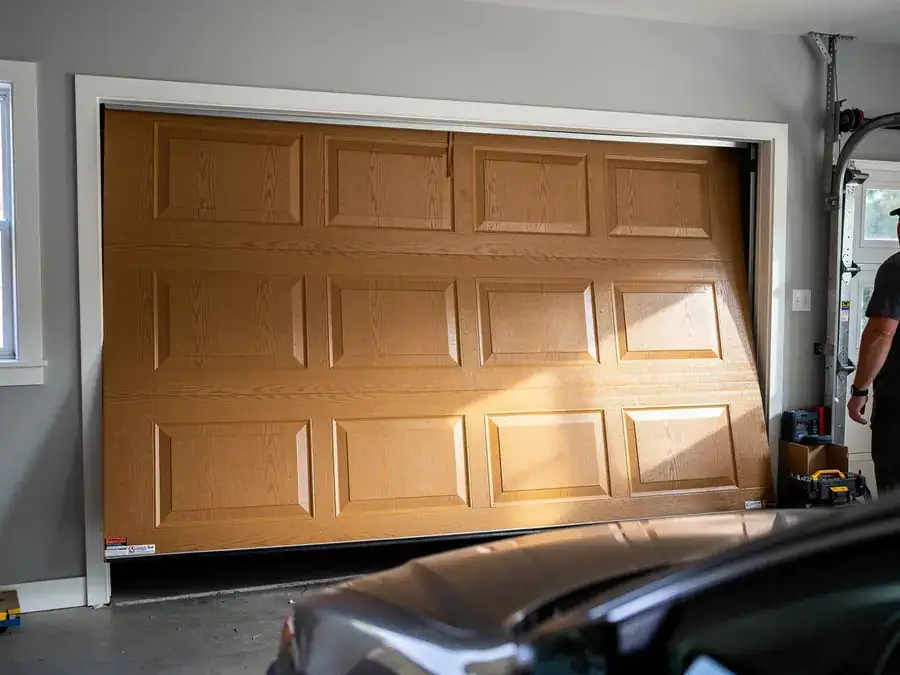
The clearest sign is sound: a scraping or grinding noise that tracks with the door's movement rather than coming from the opener itself. Some owners notice the door hesitating partway through its cycle, almost catching, before it keeps going. Others see it - a roller sitting crooked in its bracket, or visible wear where the roller meets the track. If a roller has actually come off the track, the door may hang unevenly or refuse to move at all on that side. None of these point to a spring problem on their own, but a jerking, uneven door can mask a spring issue too, so if the rollers look fine and the noise persists, that's worth a second look rather than a guess.