What Can Go Wrong
Whitney's median household income sits at $63,480, a bit under the wider service area's $66,312
That number matters more than it sounds like it should, because it's the line that decides whether a failing door gets patched again or replaced outright. On a $63,480 income, a homeowner is usually better off replacing once the repair bill crosses roughly a third of a new door's installed cost - chasing a cracked panel or a worn opener gear past that point just delays the inevitable and adds a second service call on top of the first.
Whitney's housing stock was built around 2002, newer than the 1979-2006 spread across the rest of the service area
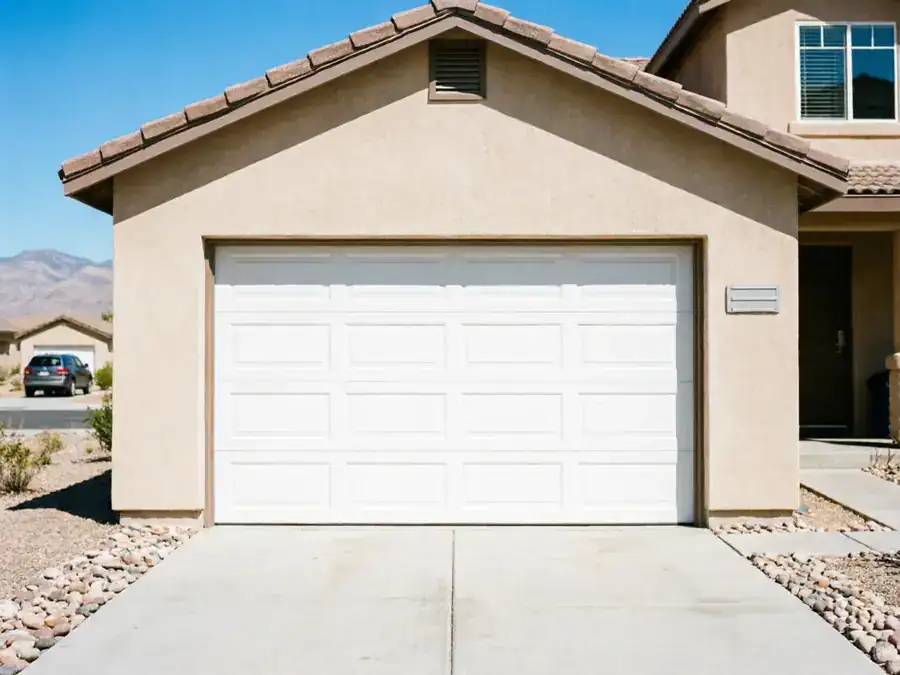
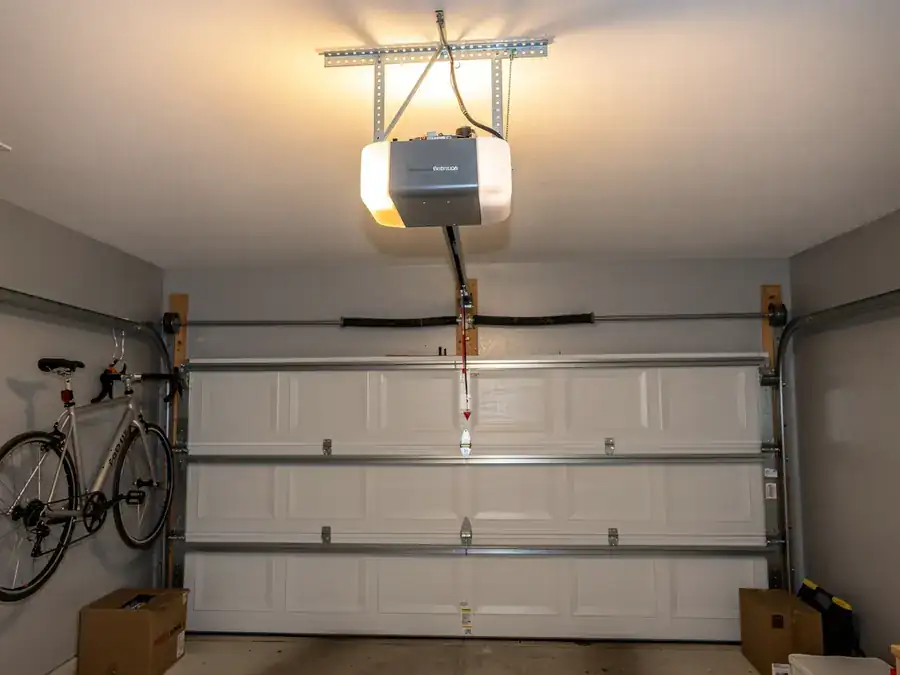
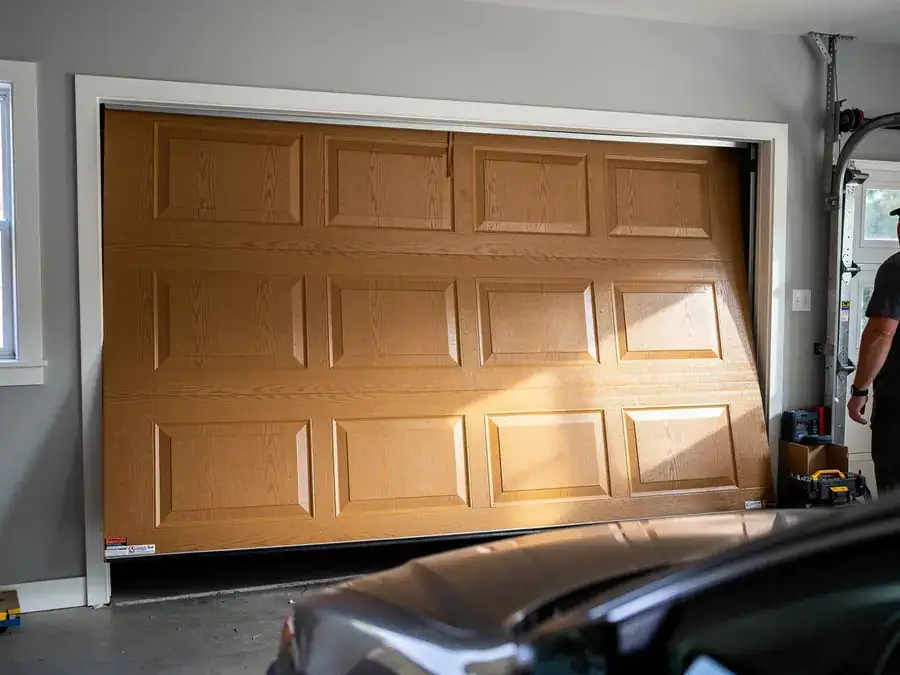
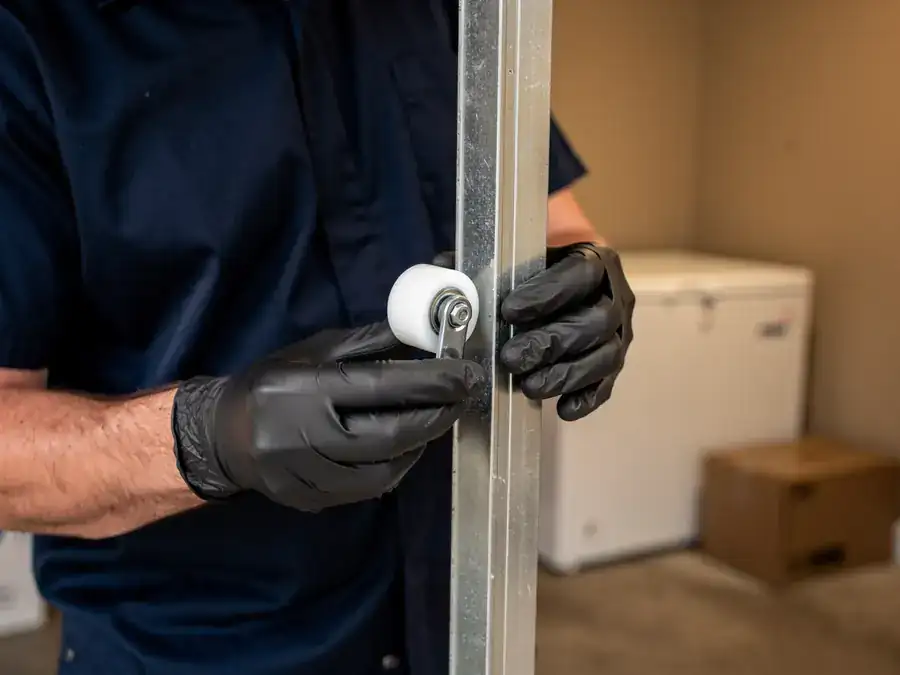
That means most garage doors here are original builder-grade steel sections on factory torsion springs, now pushing 20+ years old - right at or past the point where spring fatigue and roller wear show up as the door running rough, reversing early, or needing a shove partway up the track. These aren't 1990s doors with obsolete hardware; they're newer doors hitting the end of their first life cycle at the same time, which is why a lot of Whitney calls land in a short window.
The DIY Question
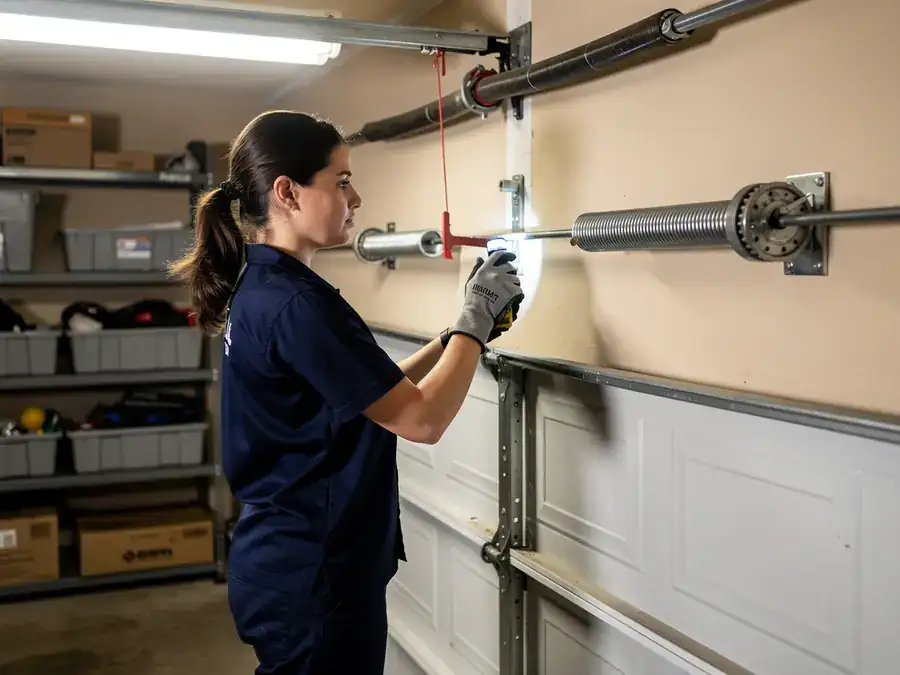
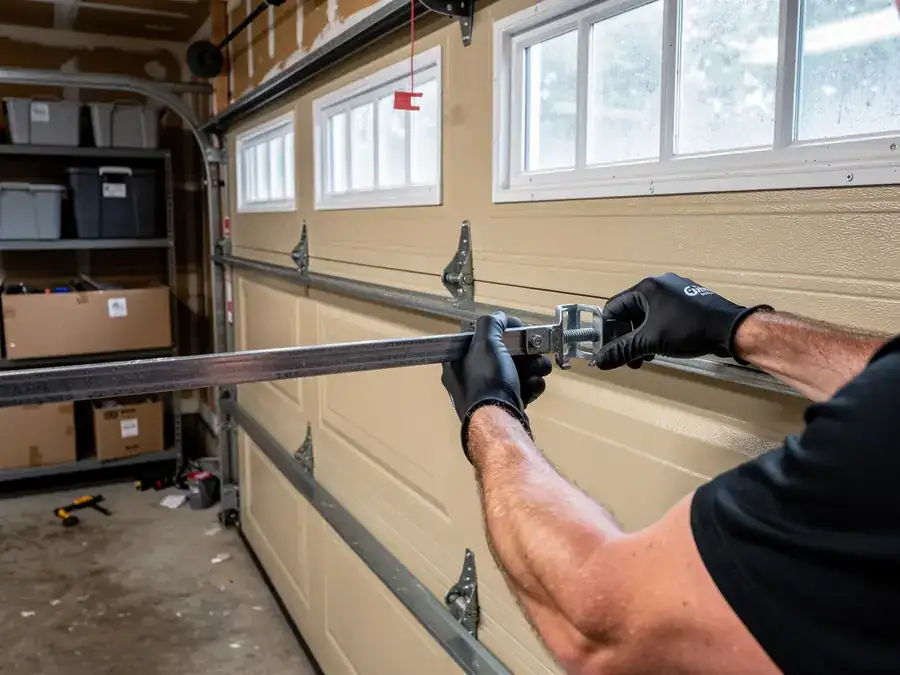
Swapping a torsion spring or wrestling a full panel set onto new track isn't a weekend job, and it isn't the place to save money by skipping a pro. Springs under tension can put someone in the ER before they ever touch the opener. If the question is cosmetic - a dented bottom panel, a sticking weatherstrip - that's reasonable to handle yourself. Replacing the whole door, resetting the header, running new wiring to a smart opener: that's a job for someone who does it daily.
One honest limit here: if a Whitney homeowner wants a same-day install, that's not always realistic. This area is served out of Henderson, not from a local branch, so scheduling runs on the Henderson crew's route for the day - plan for a lead time rather than a walk-in appointment.
What the Fix Involves
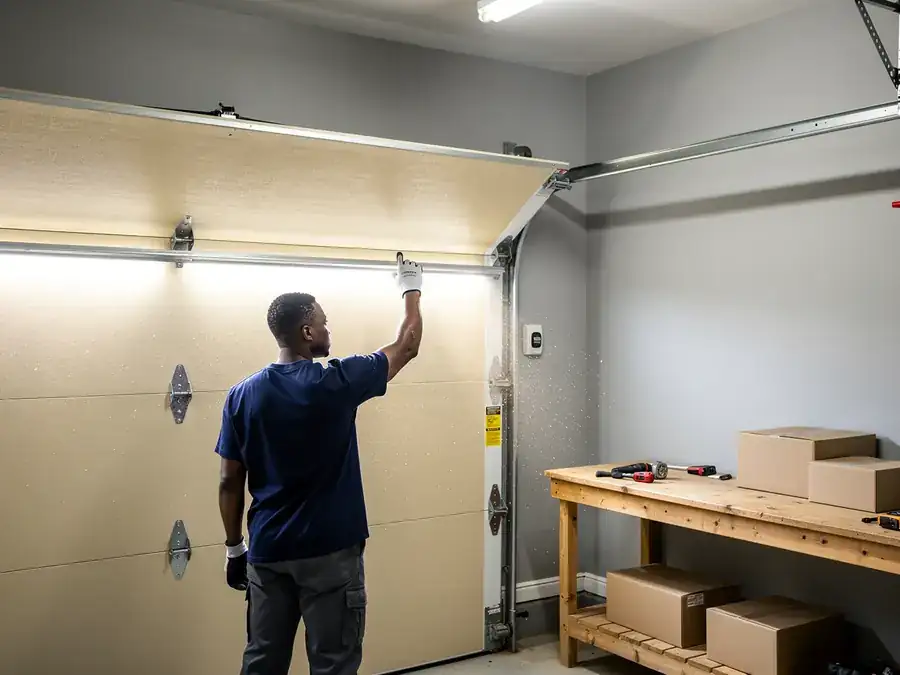
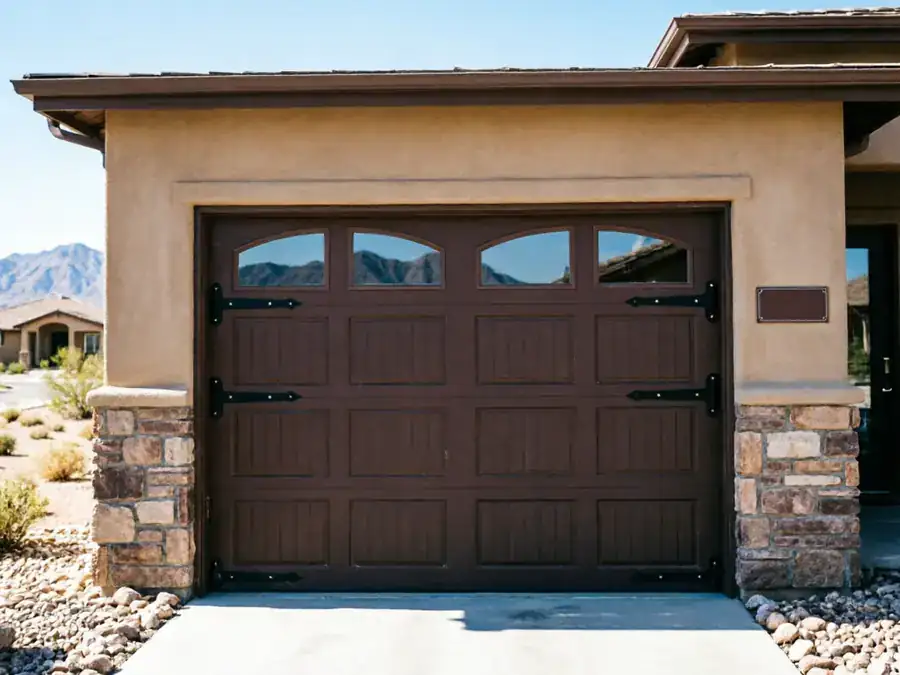
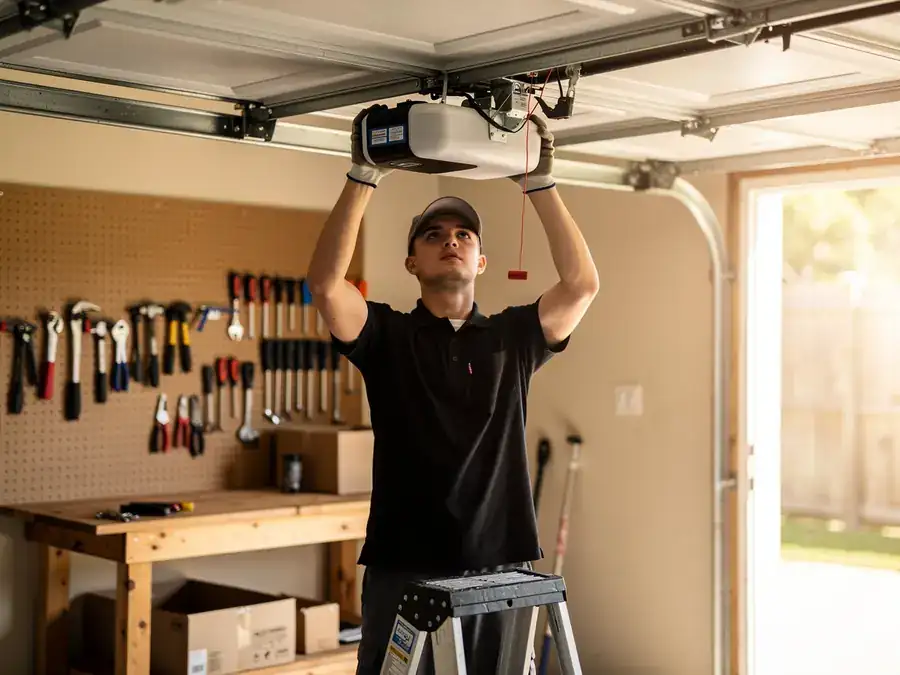
A full new-door install starts with pulling the old track, springs, and panels down to the header, checking the opening for square, and confirming the header can carry the new door's weight - especially relevant on a 2002-era house where the original opening was sized for a lighter builder-grade door, not a heavier insulated steel or wood-composite unit. From there it's new track, new springs sized to the door weight, panel set, weatherstrip, and an opener matched to the door's cycle count if the old one is being replaced too.
Windy or not, the install gets tested through a full open-close cycle under load before the crew leaves, and the balance gets set so the door holds position halfway open without a motor fighting it.
Why This Fails Locally
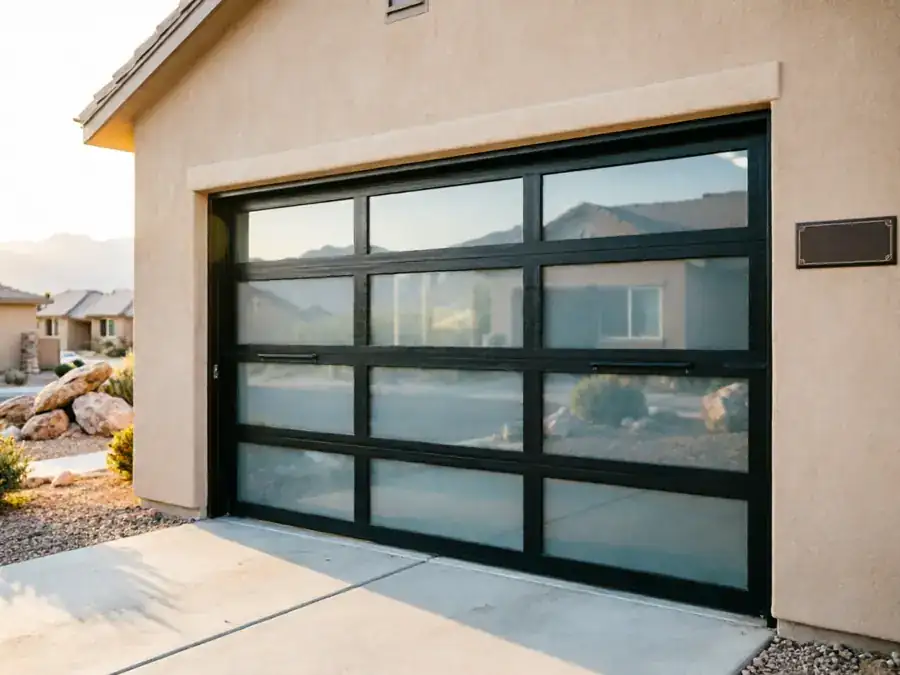
This area sits in a severe-heat climate band, and that changes what a garage door has to survive day to day - not just the install, but the years after. Steel panels expand and contract across triple-digit swings, which loosens hinge screws and warps thin, non-insulated sections faster than it would somewhere milder. An attached garage in Whitney also runs hotter than the rest of the house in summer, which shortens the working life of the opener's motor and belt if the door isn't sealed well.
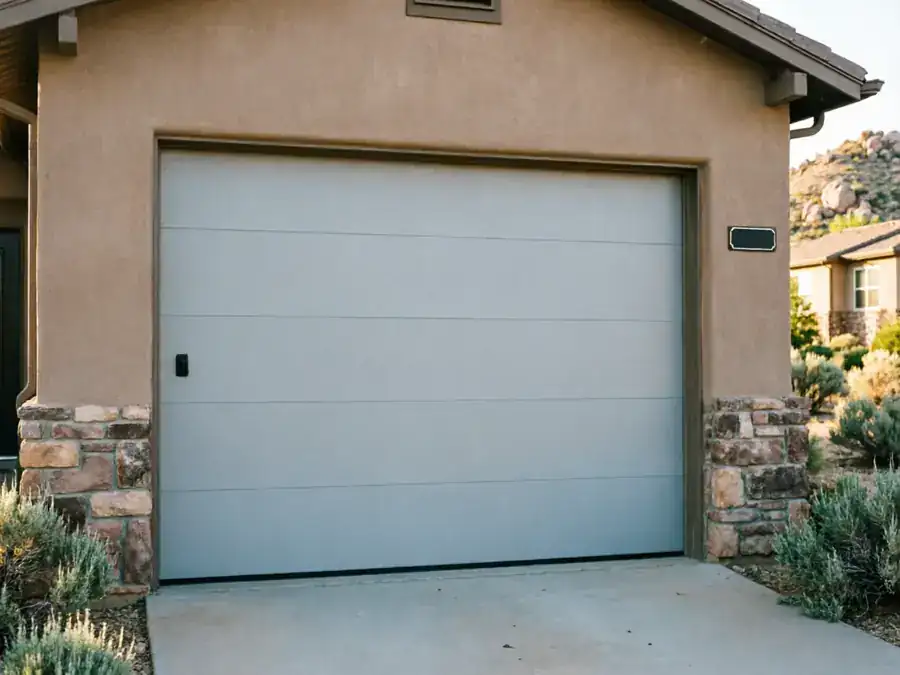
For a door going in now, that means insulated steel or a comparable R-value panel isn't a luxury upgrade here - it's the difference between a door that still seals and seats correctly in year eight and one that's sagging and letting heat into the garage by year four.
What You Are Seeing
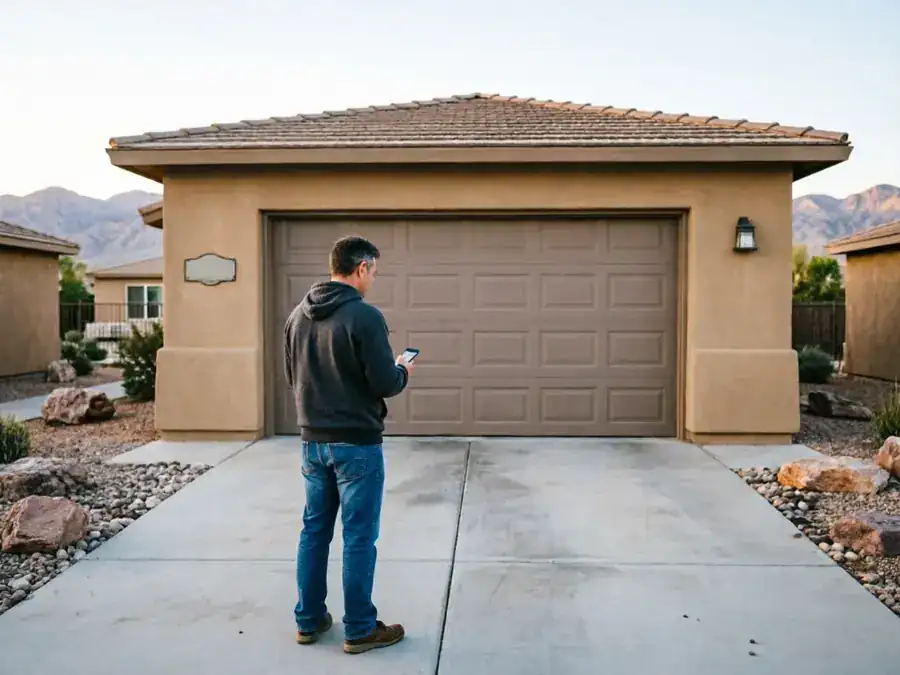
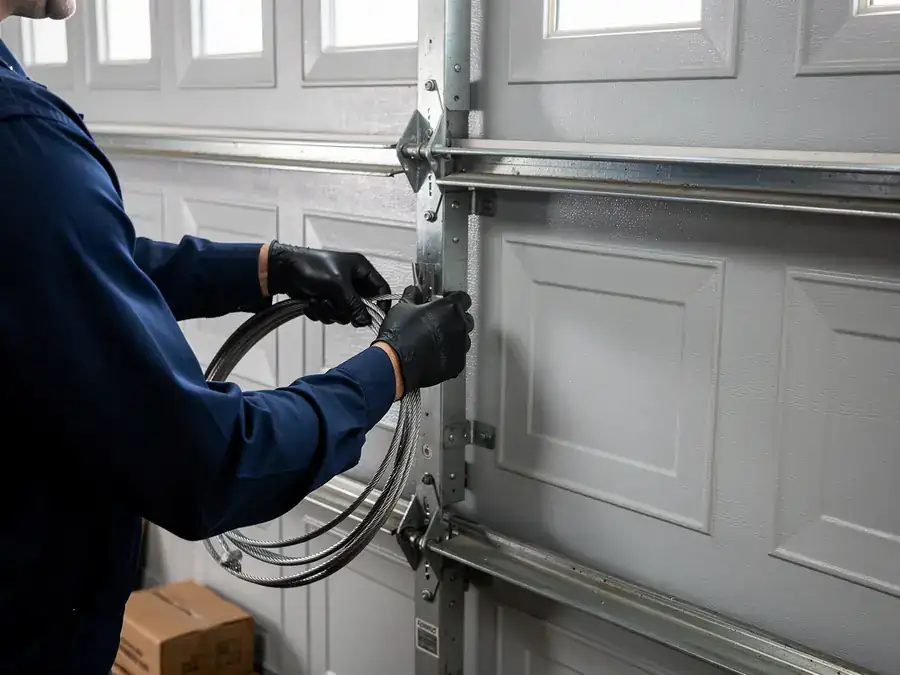
If the door is original to a Whitney house built close to that 2002 median, the signs to watch are specific: a spring that's visibly stretched or gapped when the door's down, an opener that strains and clicks before it lifts, or a bottom panel edge that's started to bow from heat cycling rather than impact damage. None of that is an emergency the way a snapped cable is, but none of it gets better on its own either. Across the roughly 16,209 households in Whitney, the doors that fail first tend to be the ones that were never upgraded past the original builder spring and opener combo - worth a look before it picks the worst possible afternoon to let go.