What You Are Seeing
Spring Valley isn't a pocket neighborhood
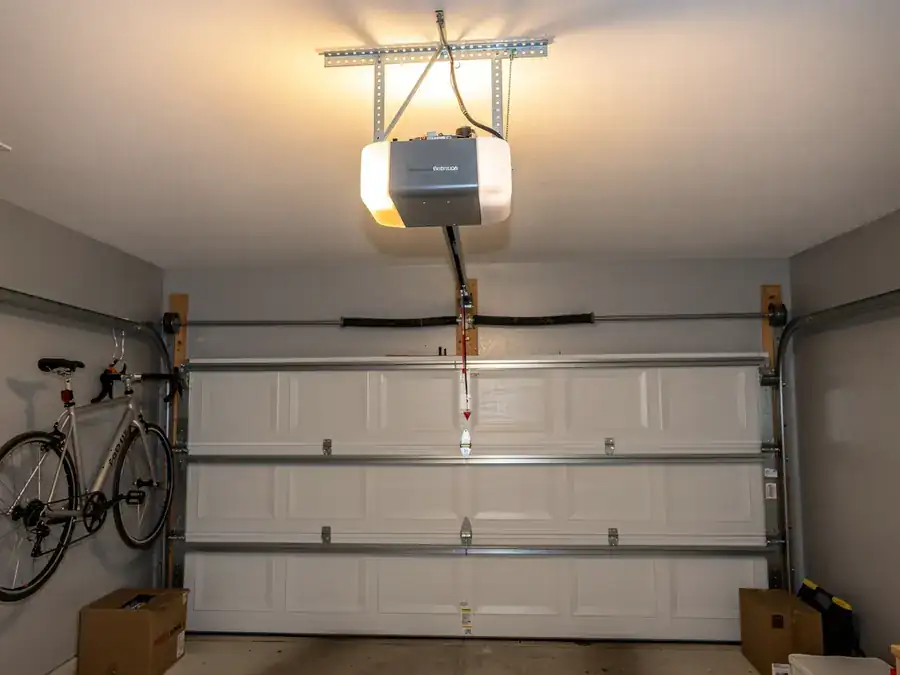
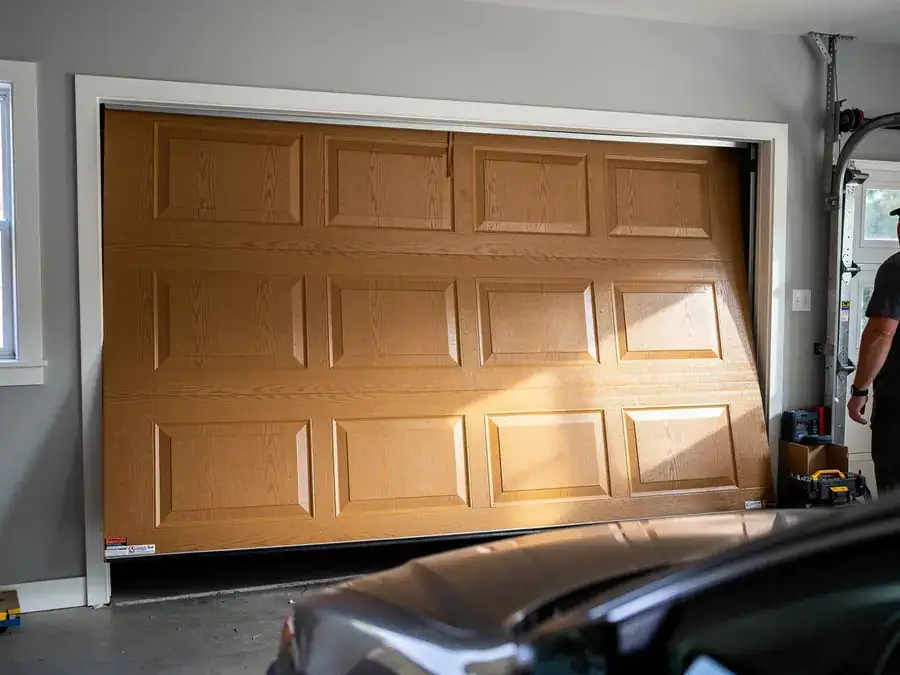
With around 87,275 households, it's a full town's worth of garage doors, which means the faults we see here run the full range rather than clustering around one problem. Most of the housing dates to around 1998, which puts a lot of doors and openers right in the window where original springs and the first generation of chain-drive openers are aging out at the same time. That combination shows up as doors that open fine in the morning and bind or slam by afternoon, or openers that run the motor but don't move the door.
- 87,275 households
We drive the 14 miles out from Henderson for these calls regularly enough that the pattern is familiar
A torsion spring that's lost tension, a cracked plastic idler pulley, or a logic board in an opener that's thermal-tripping. None of that is exotic. It's just what 1998-era hardware does after two and a half decades of use, especially once the lift cables start to show wear alongside it.
- 14 miles
If your door is newer than that
Or the house has had a full door replacement since, the symptoms and the fix look different - this section is about the bulk of the stock, not every house.
Why This Fails Locally
This region sits in a severe-heat climate band, and that matters more for garage doors than people expect. Steel expands and contracts enough through the daily swing that lubricant breaks down faster, nylon rollers and bushings get brittle sooner, and opener circuit boards mounted near an unventilated ceiling run hotter than their design life assumes. On a 1998-built house, the spring and the opener are usually original or on their first replacement, so they're already near the end of a normal service life before the heat load is factored in.
We also see a straightforward income signal in how repairs get deferred: Spring Valley's median household income runs around $72,364, higher than the Henderson-wide figure, and that tends to mean homeowners replace rather than patch marginal parts - a cracked panel or a tired opener gets swapped out instead of limping along for another two summers. That's not a judgment, just a pattern we plan around when we quote a job here versus elsewhere in the service area.
The short version: heat plus age equals spring failure and opener failure at roughly the same calendar point, and that's the call we get most from this stretch of town.
What the Fix Involves
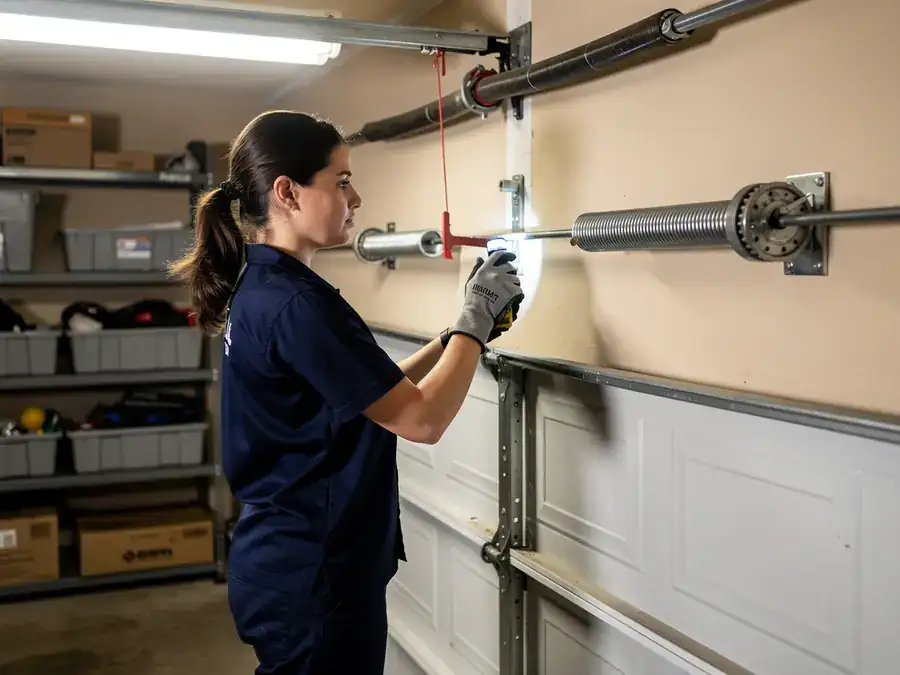
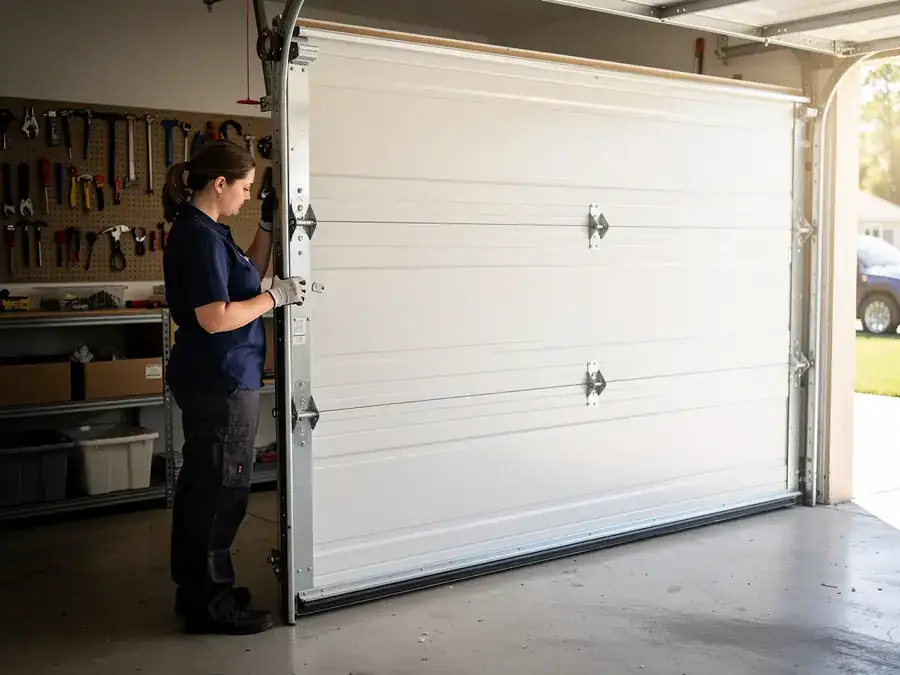
For a torsion spring on a late-1990s door, the job is a straight swap - matched wire gauge, correct wind, and a check of the drums and bearing plates while the door is unloaded, since original bearings this old are usually glazed or pitted even if they haven't failed yet. We don't reuse a spring that's stretched or mismatched just to save a trip.
On openers, if the board is heat-damaged (a common failure mode in this climate band), replacement is usually cleaner than a board-level repair - we don't stock parts to rebuild a 20-plus-year-old logic board, and sourcing one isn't worth the wait for most homeowners. We'll tell you straight if that's where your unit is at, rather than billing for diagnostics on something that's not economically worth saving.
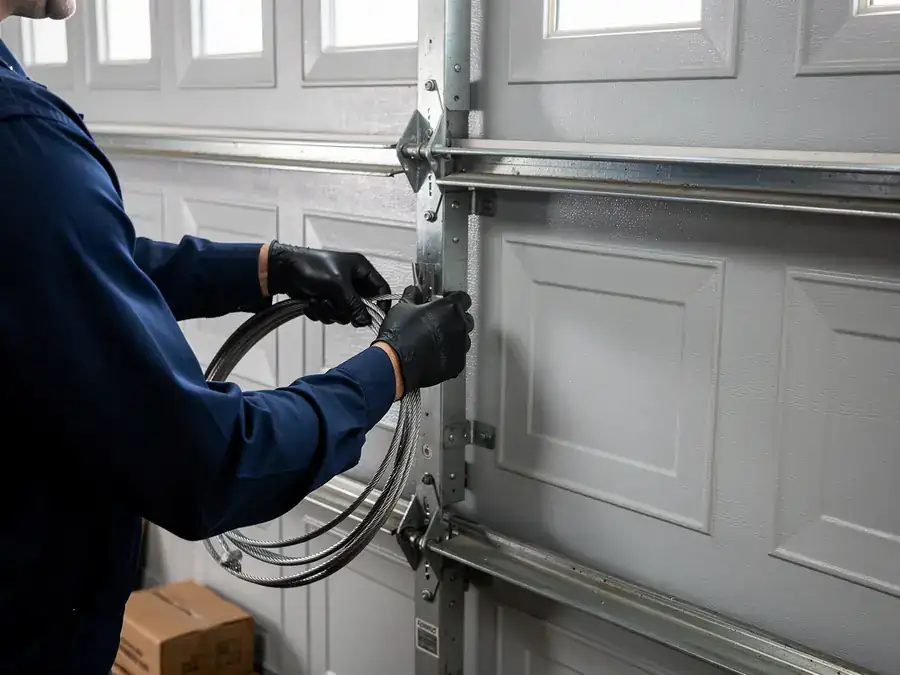
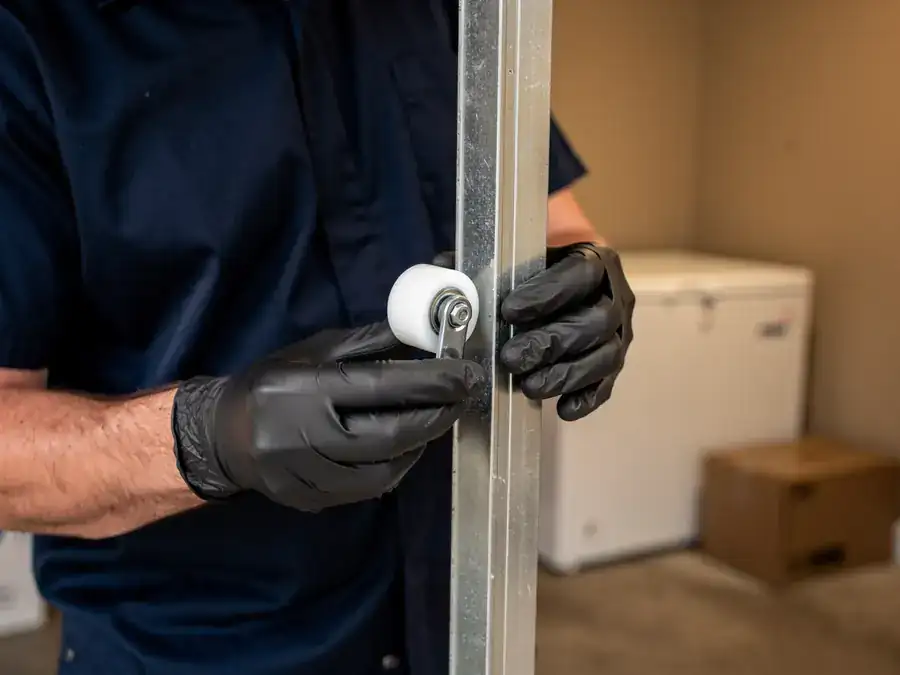
Cables, rollers, and the bottom seal get checked as a matter of course on any spring call, because on a house this age they're usually due regardless of why we got sent out. We travel from Henderson for the visit, so we bring what a typical 1998-era door needs rather than guessing on site.
The DIY Question
A torsion spring is not a DIY repair
The wind-up tension on a residential door is enough to break bones, and that's true no matter how old the house is. That one's a hard no from us regardless of what else is going on with the door.
What you can reasonably check yourself
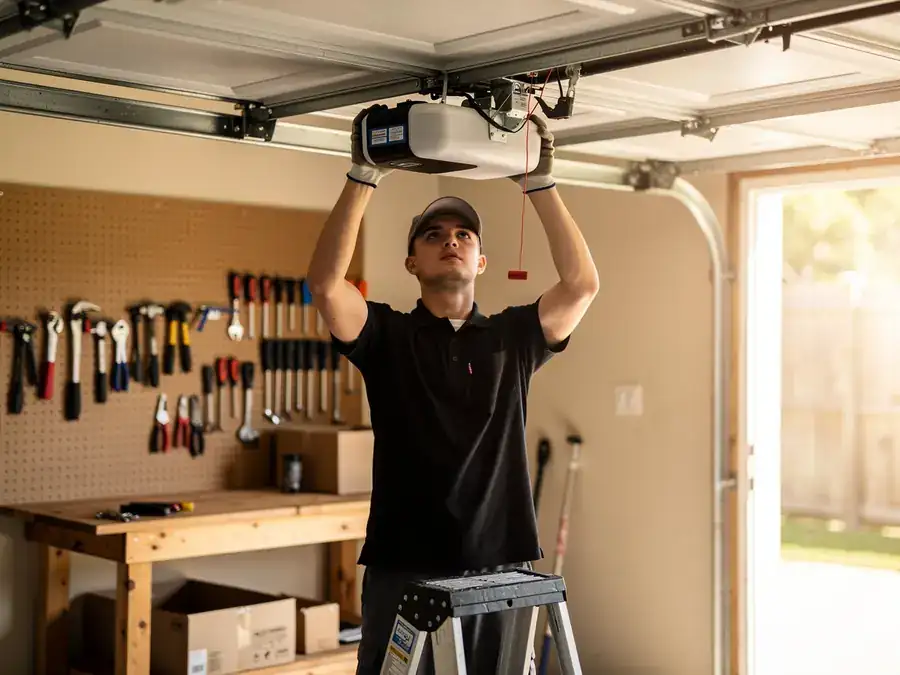
The opener's force settings if the door is reversing on obstacles, the photo-eye alignment if it won't close at all, and whether the track bolts have worked loose, which is common on older framing after years of heat-cycling. None of that requires tools beyond a ladder and a screwdriver.
Where we'd tell you to stop and call
Anything involving the spring, the cables under tension, or an opener that smells hot or smokes when it tries to run. On a house built around 1998, that last one is common enough that it's worth checking before you assume it's just a stuck door.