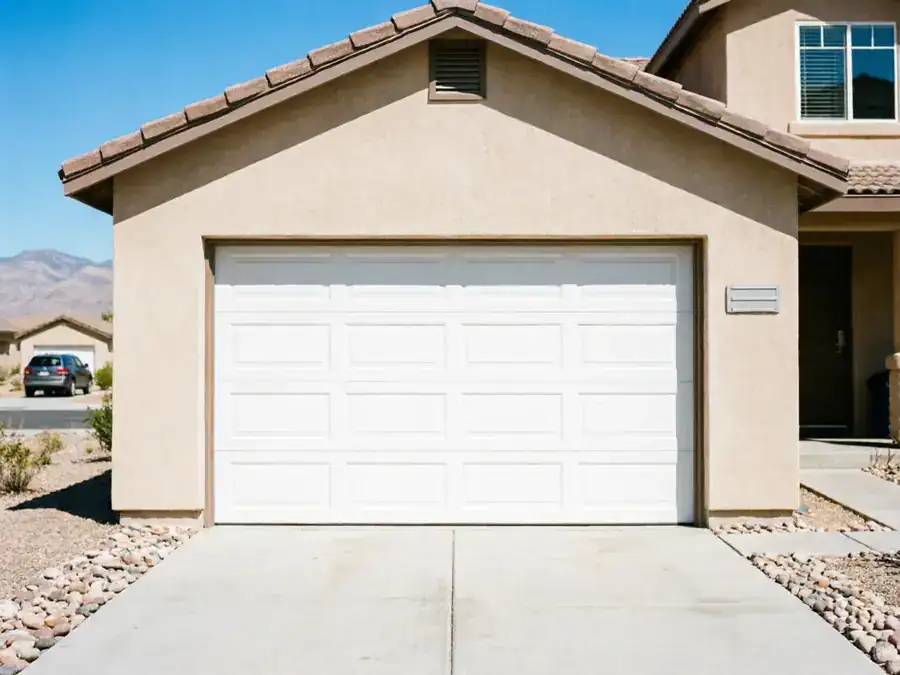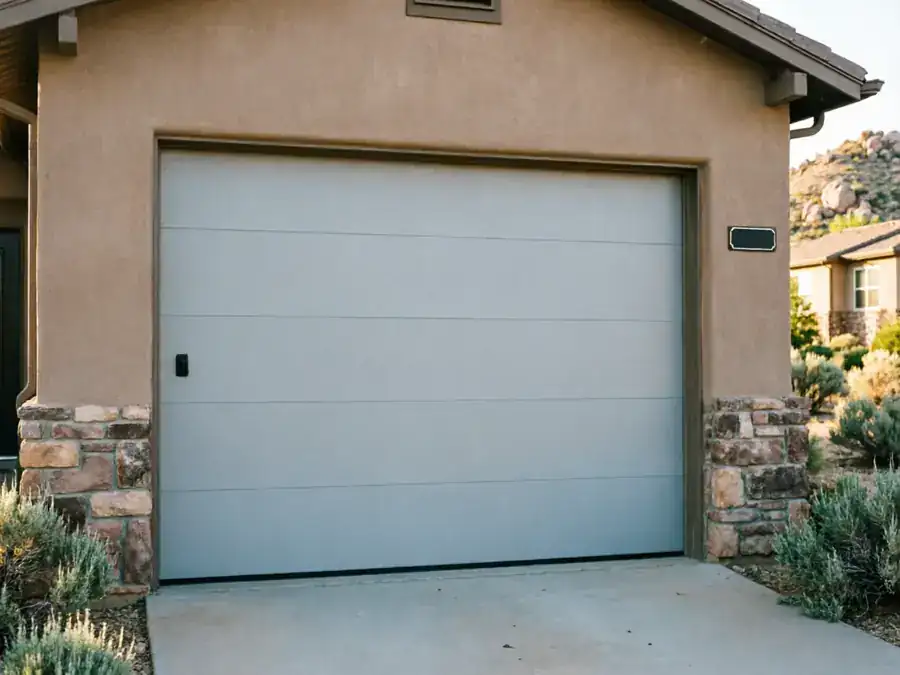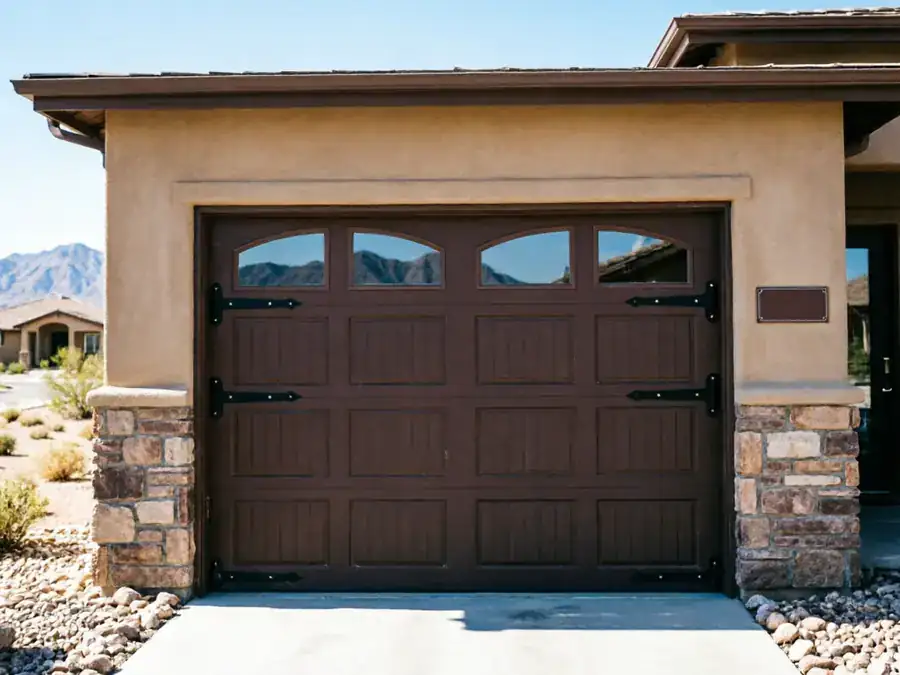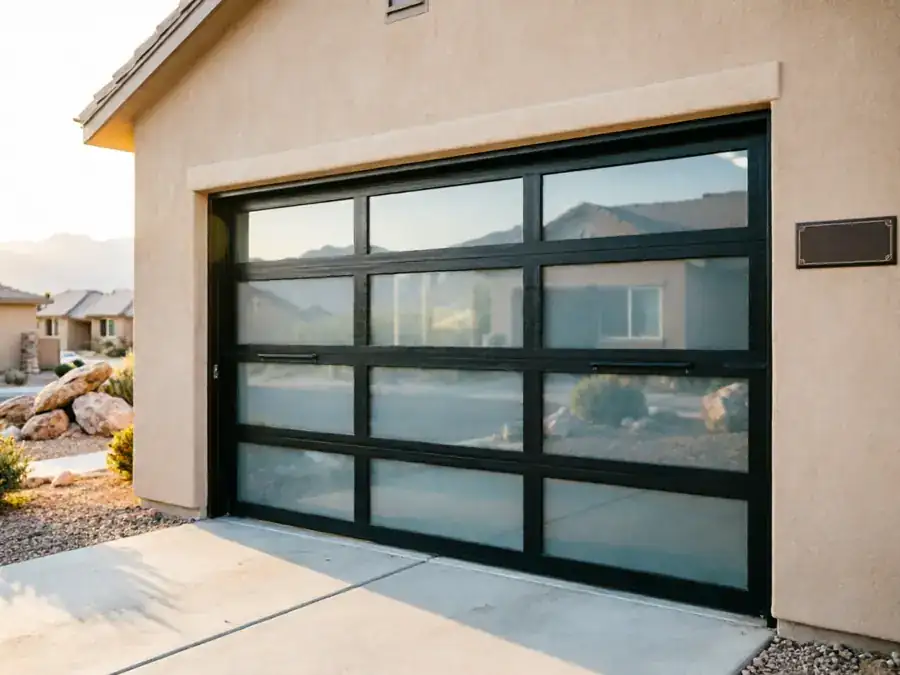
What You Are Seeing
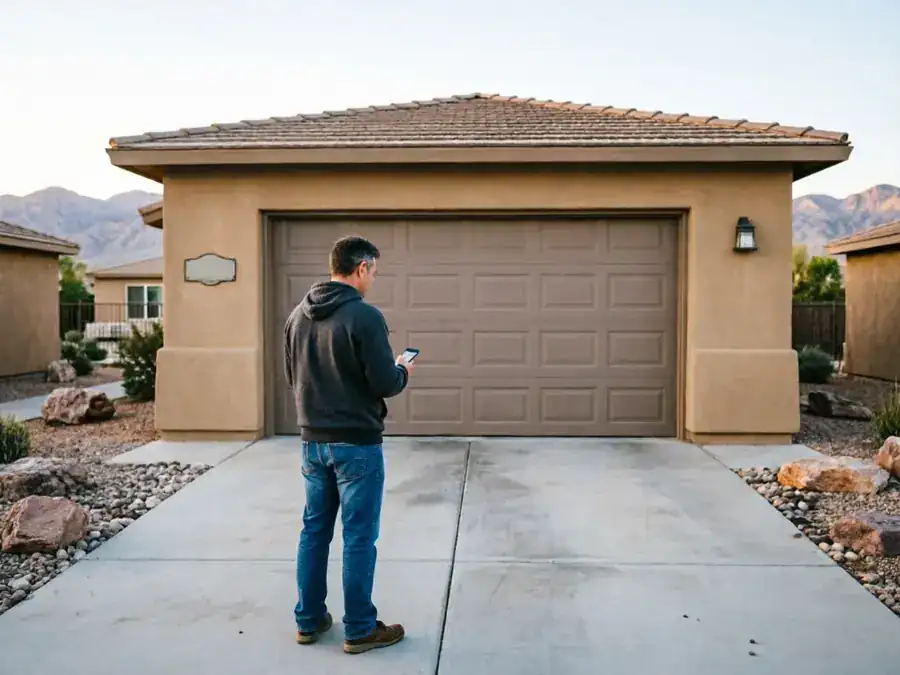
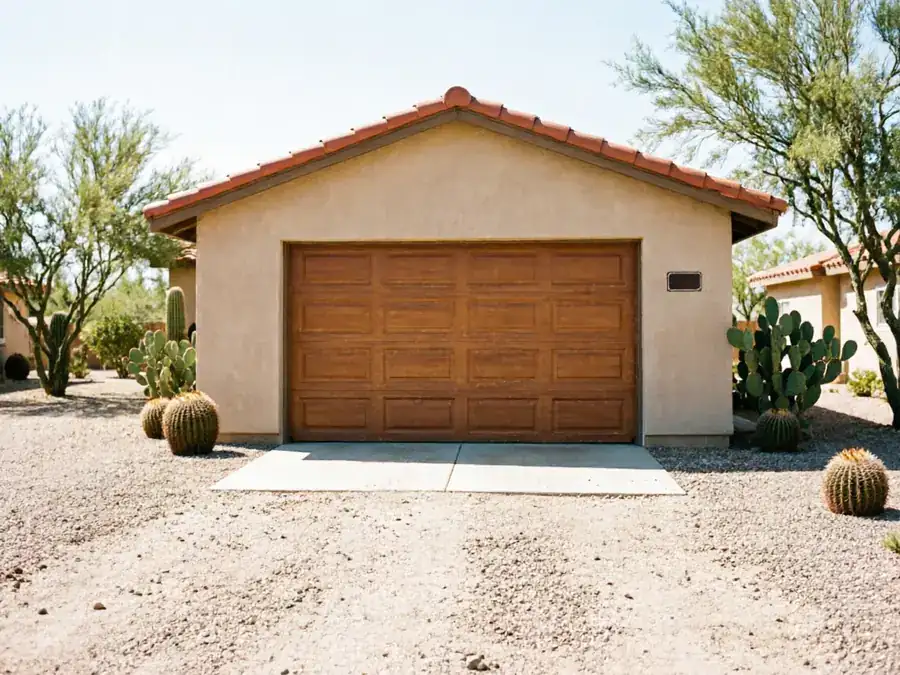
Most houses in Spring Valley went up around 1998
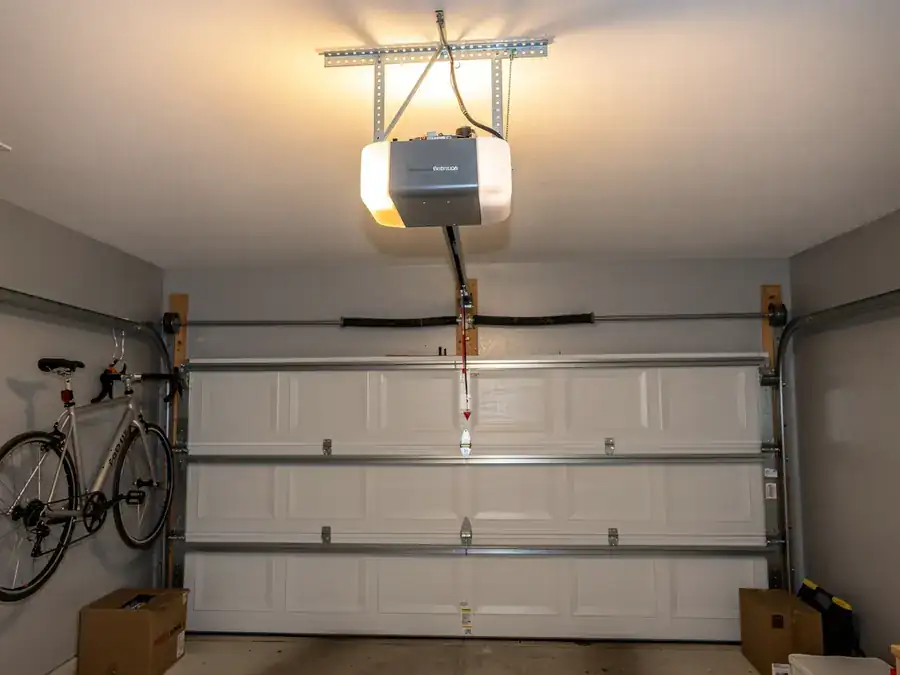
Which puts the original garage door opener at or past 25 years old. That's the builder-grade chain-drive unit that came standard with the house - a 1/3 horsepower motor, a metal chain loud enough to hear from the kitchen, and no battery backup because that wasn't standard equipment yet on homes from this era. If your opener grinds before it catches, reverses halfway up, or needs three tries on a hot afternoon, you're not dealing with a bad remote. You're dealing with a motor and gear set that's done more cycles than it was built for.
- 25 years
Some owners see the light flashing a code instead of a clean cycle
Others just notice the door hesitating at the top, like the chain's slipping on the sprocket. Either way, it's consistent with hardware that's a quarter-century old, not with a one-off glitch. The opener itself usually isn't dangerous to live with for a while longer, but the strain shows up elsewhere first - in the travel limits, the drive gear, and eventually the circuit board.
Why This Fails Locally
Henderson's service area carries a severe heat climate rating, and Spring Valley sits inside that same band. Summer heat doesn't just wear out rubber seals on the door panel - it cooks the plastic gears and capacitors inside an opener motor housing that was never built for a garage that routinely tops 120°F in direct sun. A chain-drive unit from the late '90s wasn't engineered with today's thermal-rated components, and after two and a half decades of expansion and contraction, the gear that used to mesh cleanly starts to strip.
The other factor is simpler: household budgets here run a bit higher than the Henderson-wide median - $72,364 versus $66,312 - so more owners in Spring Valley are opting to replace an aging opener with a quieter belt-drive unit instead of patching the old chain-drive one. That's not a requirement, just a pattern worth knowing before you decide whether to repair or replace.
What the Fix Involves
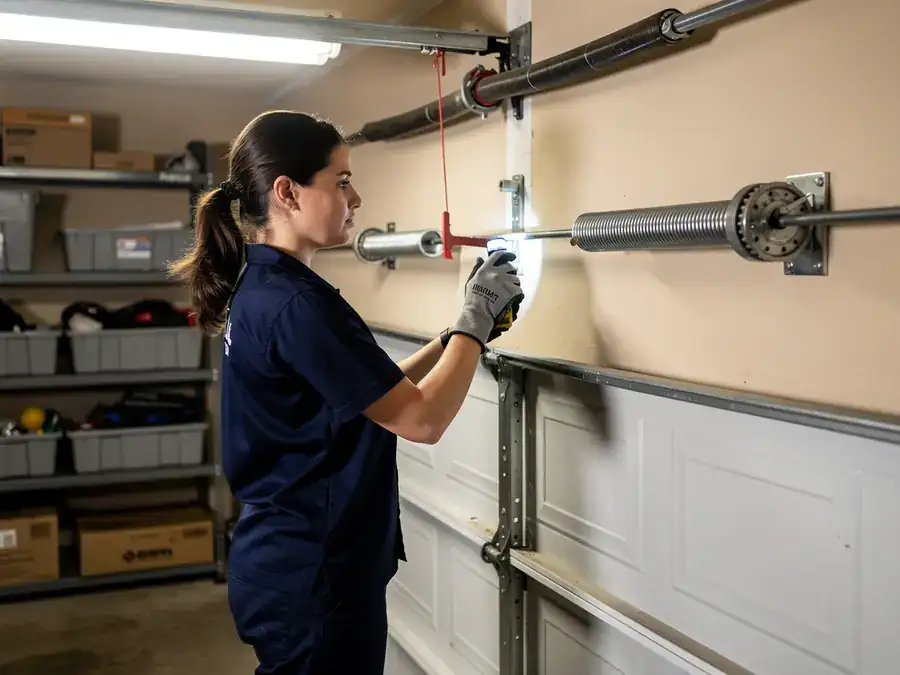
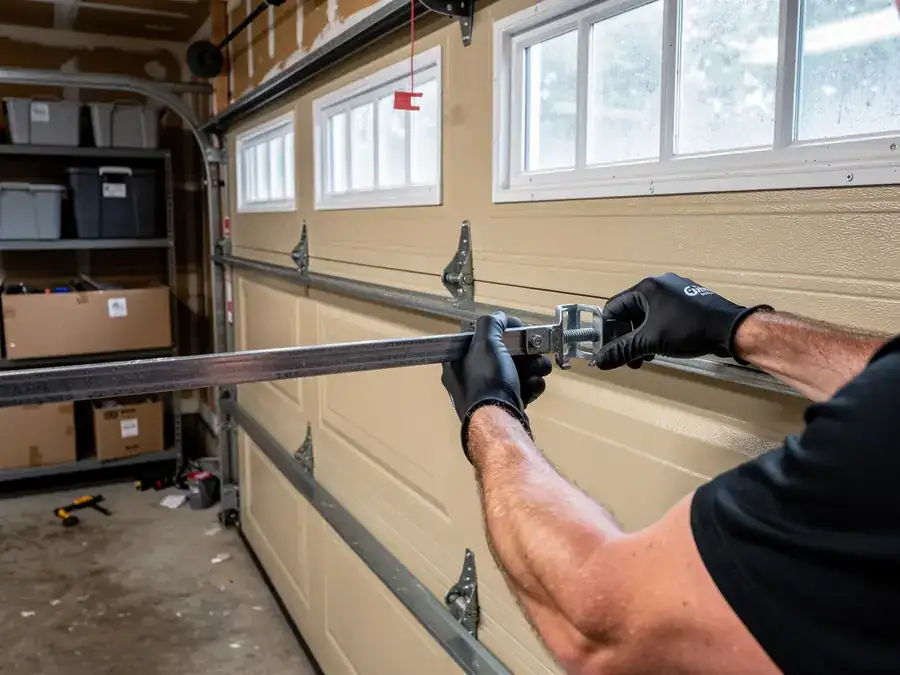
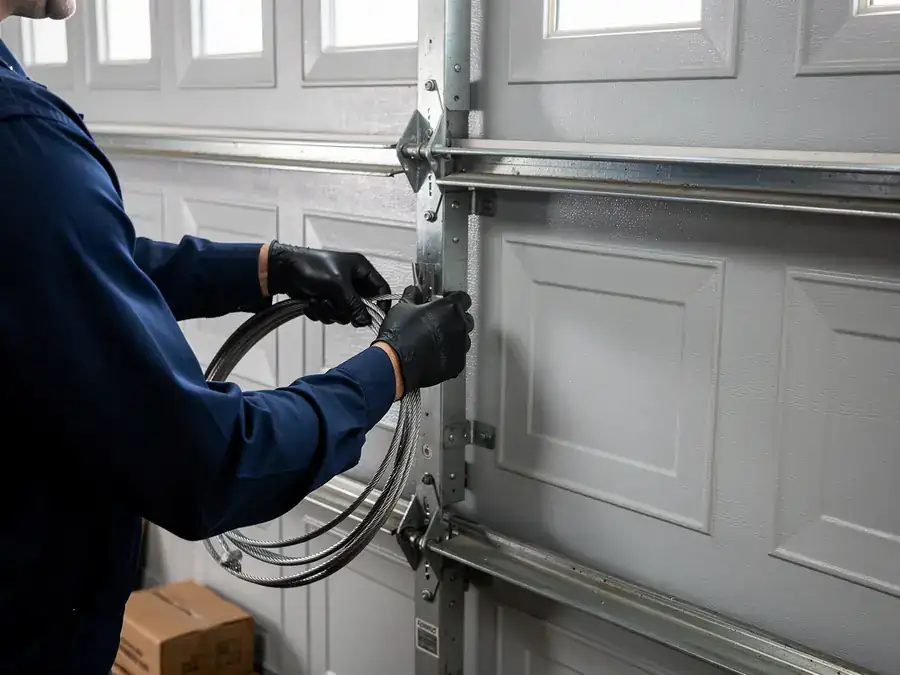
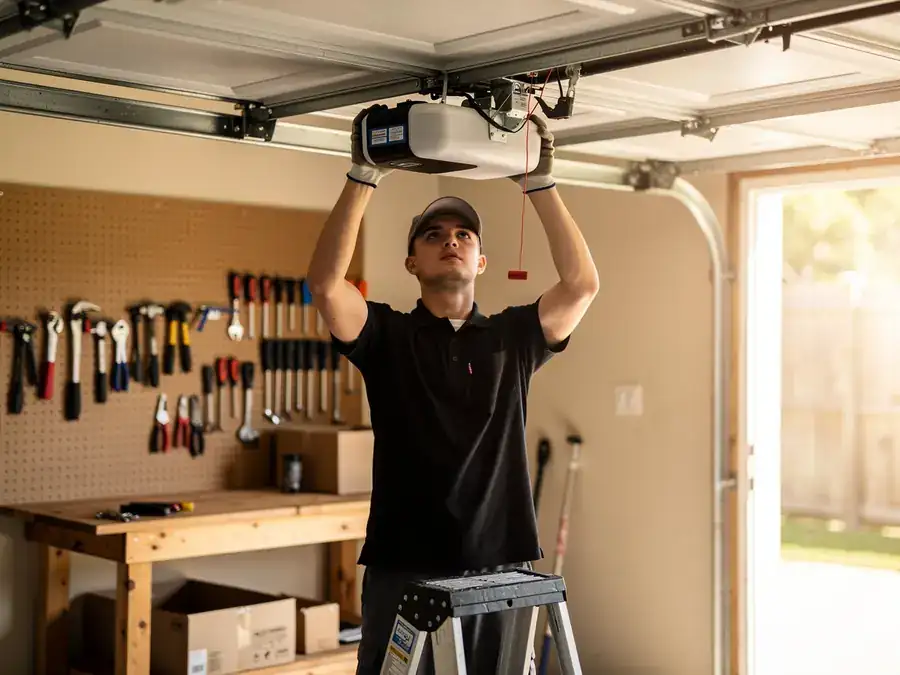
A straight swap - pulling the old chain-drive unit and mounting a new opener on the same rail and header bracket - is usually the most direct path when the door itself is sound. We check the existing track and spring setup first, since a 1998-era door may still be running the original torsion spring, and an opener is only as good as the hardware it's lifting against.
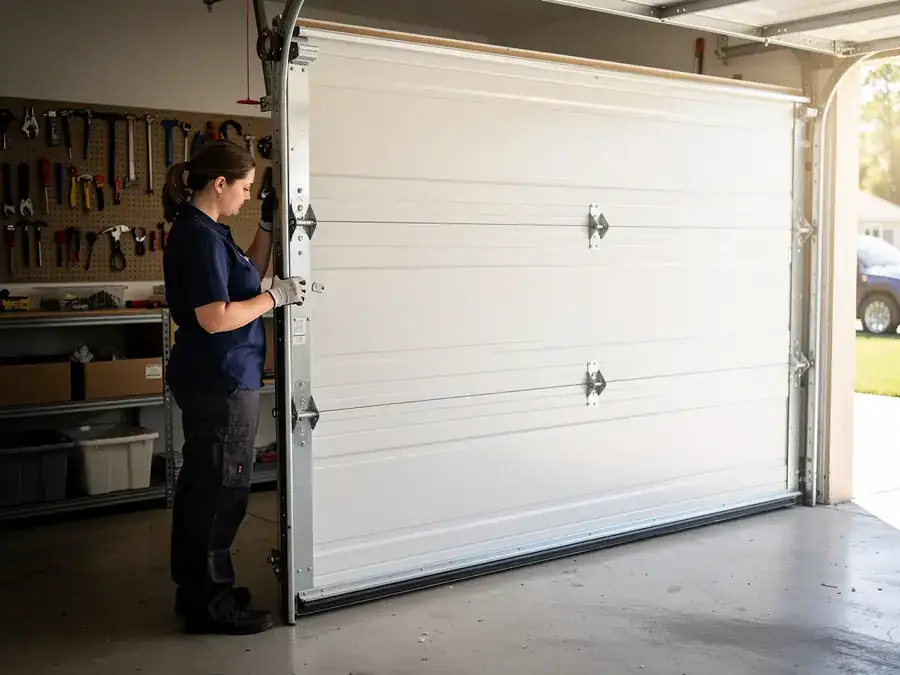
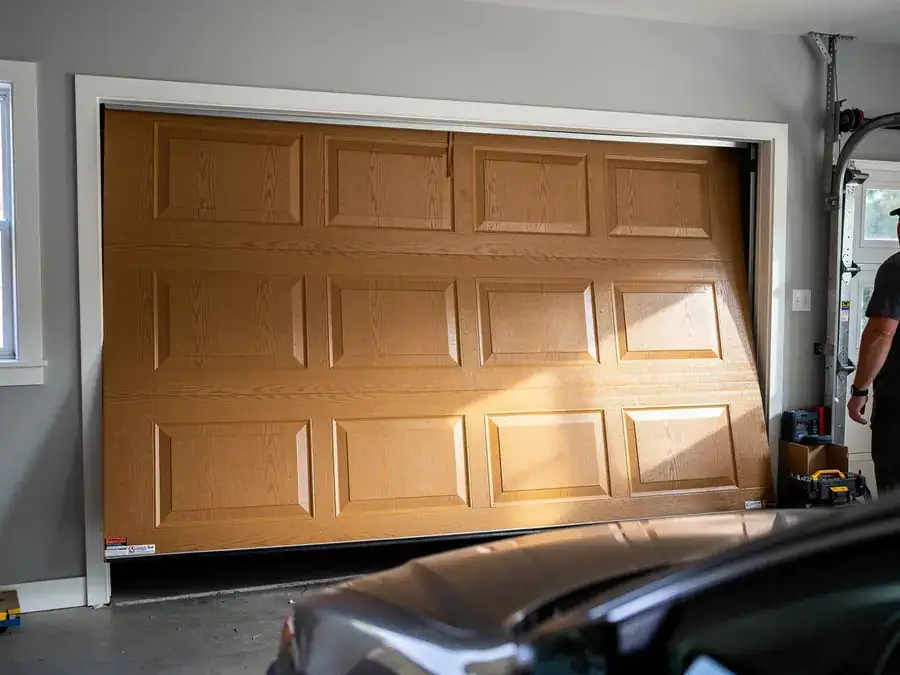
We travel out from Henderson, about 14 miles to reach Spring Valley, so we schedule the opener swap as a full job rather than a quick drop-in - bringing the mounting hardware, the safety sensor brackets, and the wiring needed for a clean install rather than assuming the old brackets will still line up. One limitation worth saying plainly: if your door panel itself is warped or the track is bent, a new opener won't fix that, and we'll tell you before we install anything on top of a door that needs its own repair first.
The DIY Question
Swapping an opener looks simple from a YouTube video
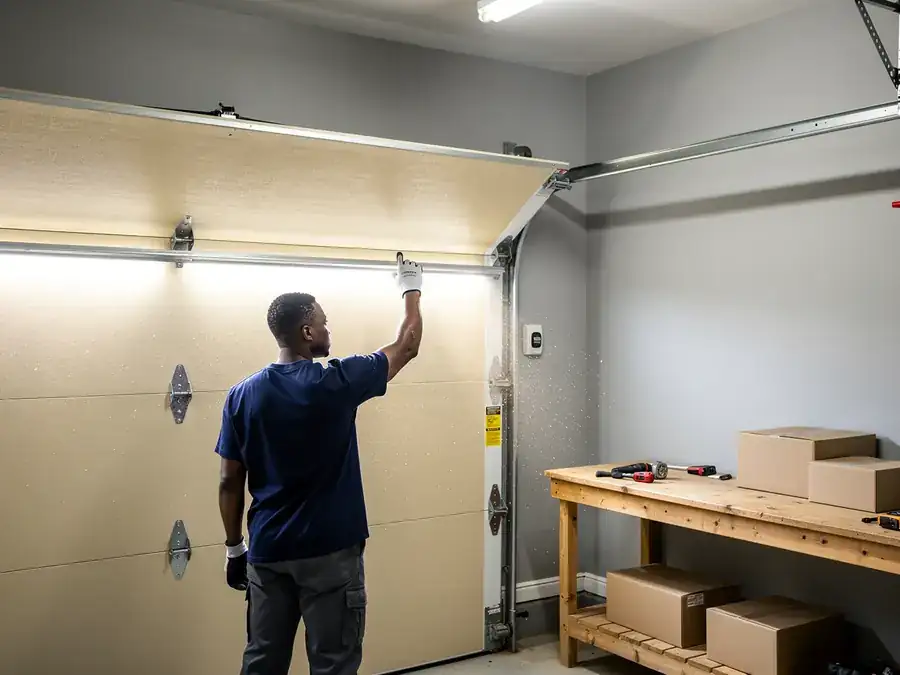
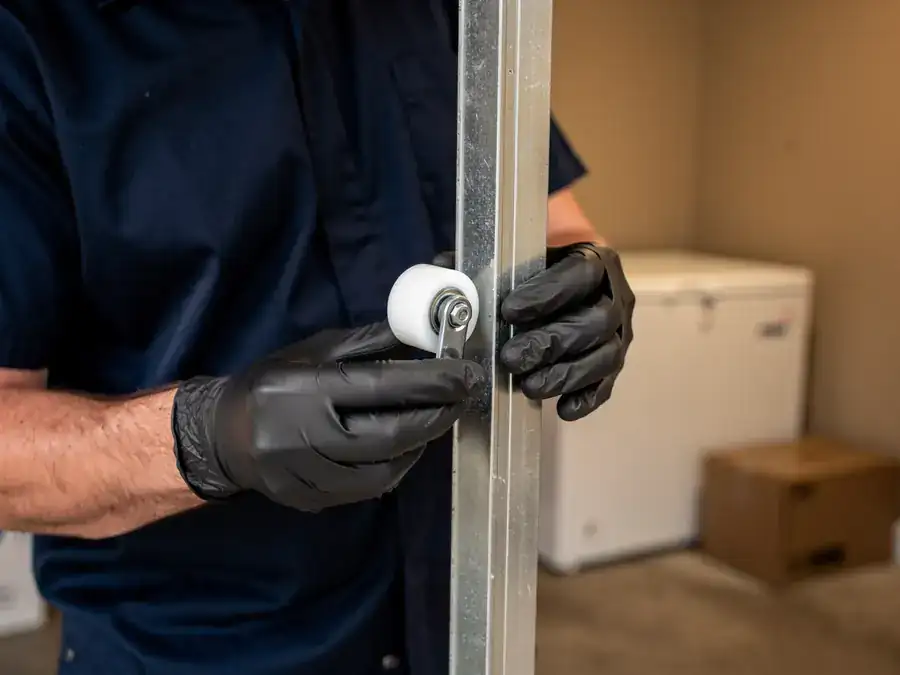
Unplug the old one, bolt up the new one, done. The part that trips people up on a house from the late '90s is the wiring behind the wall switch and the safety sensor alignment, which has changed more than once since these houses were built. Get the sensor height or angle off by a little and the door will reverse for no obvious reason, which is more frustrating than the original problem.
If you're comfortable with basic electrical work and your door hardware is in good shape, there's no reason you can't handle the install yourself
Where it gets expensive is when a mismatched bracket or a pinched wire damages the new unit's board - openers aren't cheap to replace twice. If you'd rather not find that out the hard way, that's a job we handle out of Henderson.