Why This Fails Locally
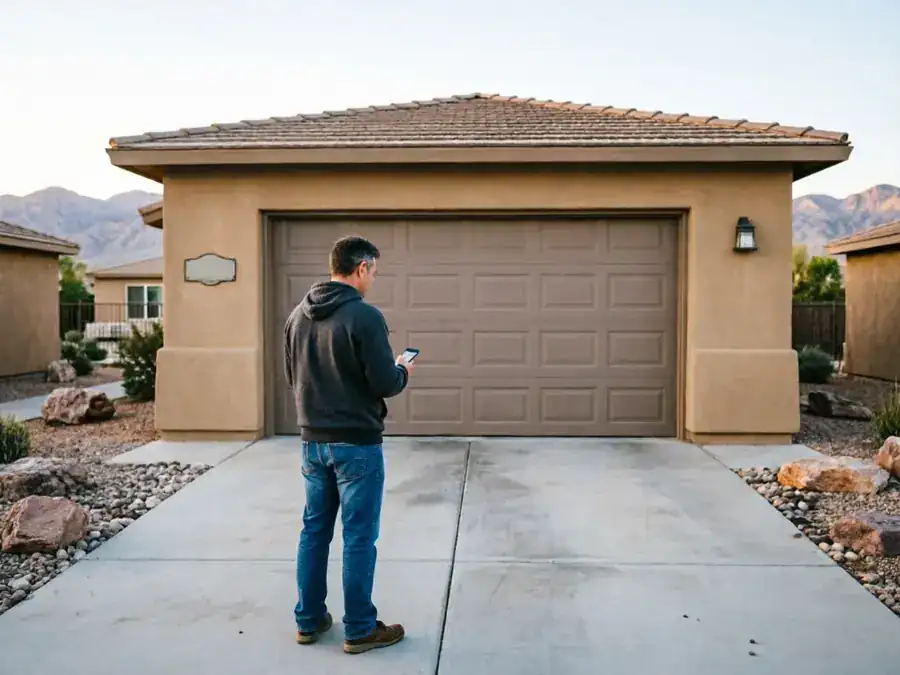
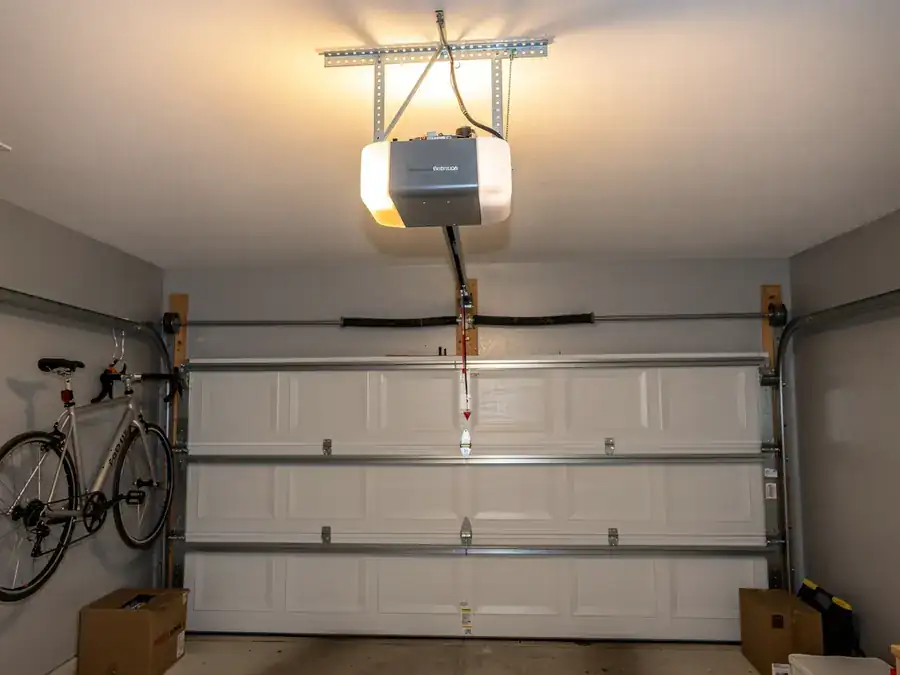
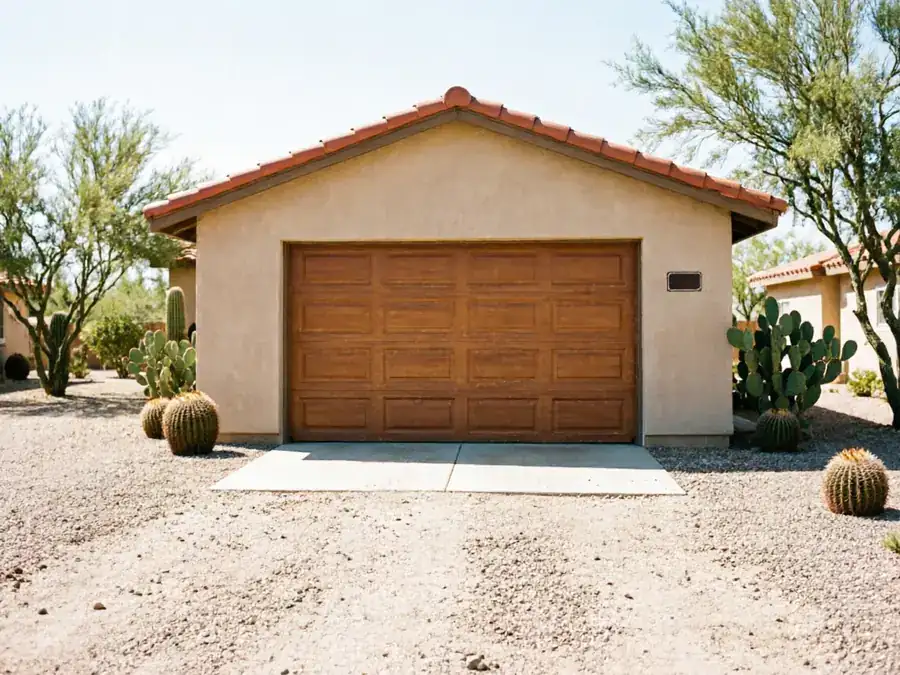
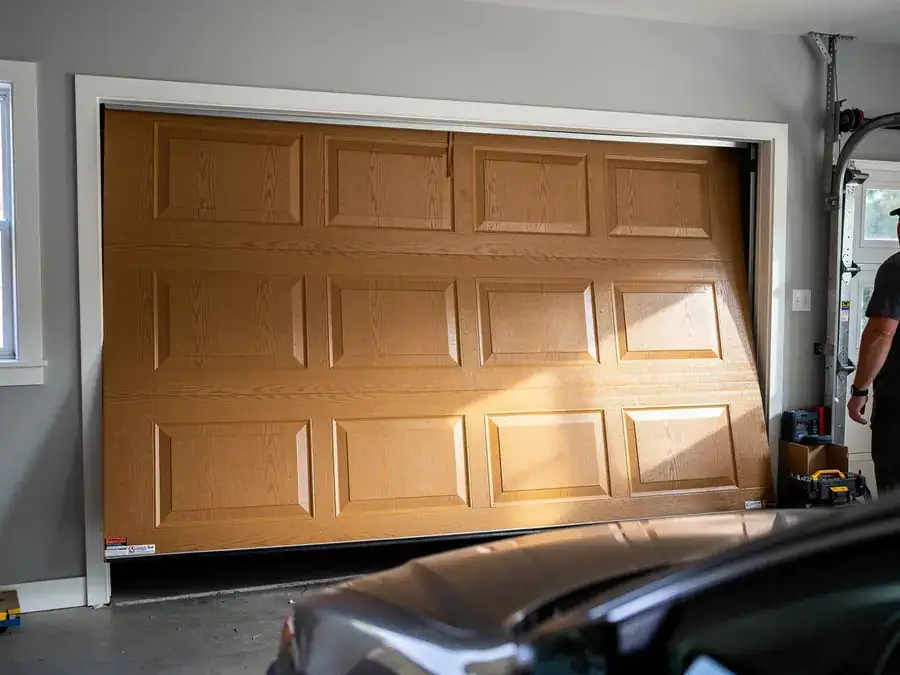
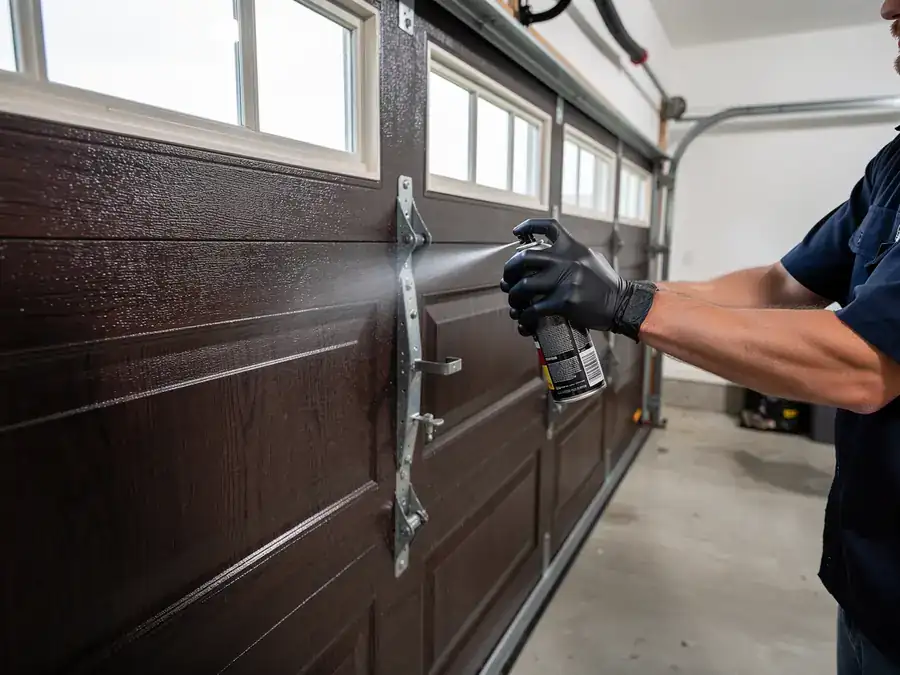
The summer heat here is severe, and that's harder on garage door hardware than most owners assume. Steel springs expand and contract with daily temperature swings that run 40-50 degrees between a June morning and a June afternoon. Over a quarter century, that cycling fatigues the metal faster than it would in a mild climate - the spring doesn't just wear from use, it wears from sitting in a hot garage all day, every day. Lubricant on original rollers and hinges also breaks down faster in sustained heat, which is why we see dry, squealing hardware in Spring Valley that still looks fine to the eye. Add an opener motor that's spent 25 summers working harder than it should because the spring isn't carrying its share of the door's weight, and you get the two most common emergency calls: a snapped spring, or a motor that finally gives out trying to compensate for one.
What the Fix Involves
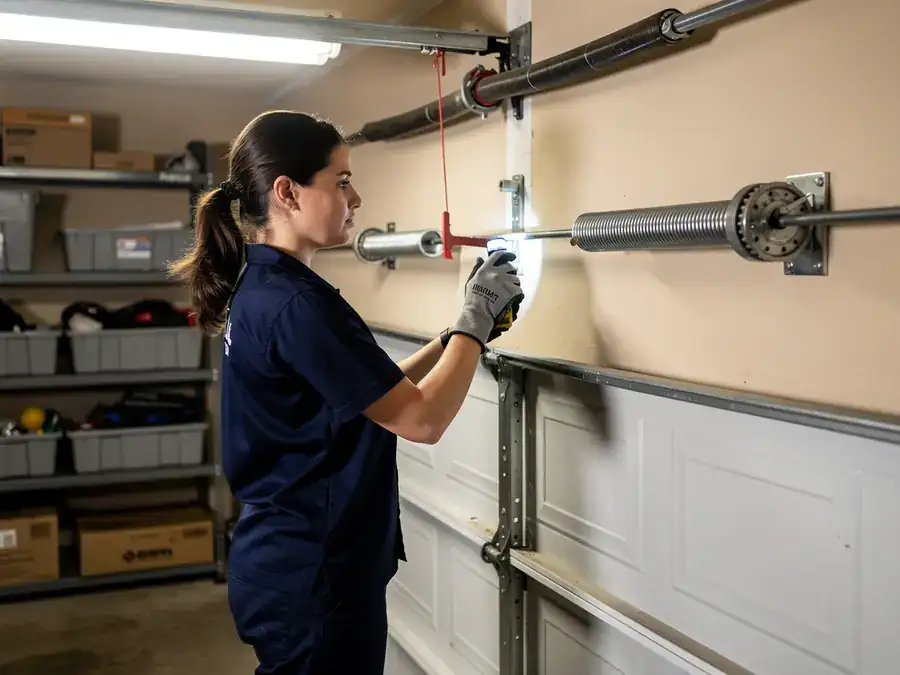
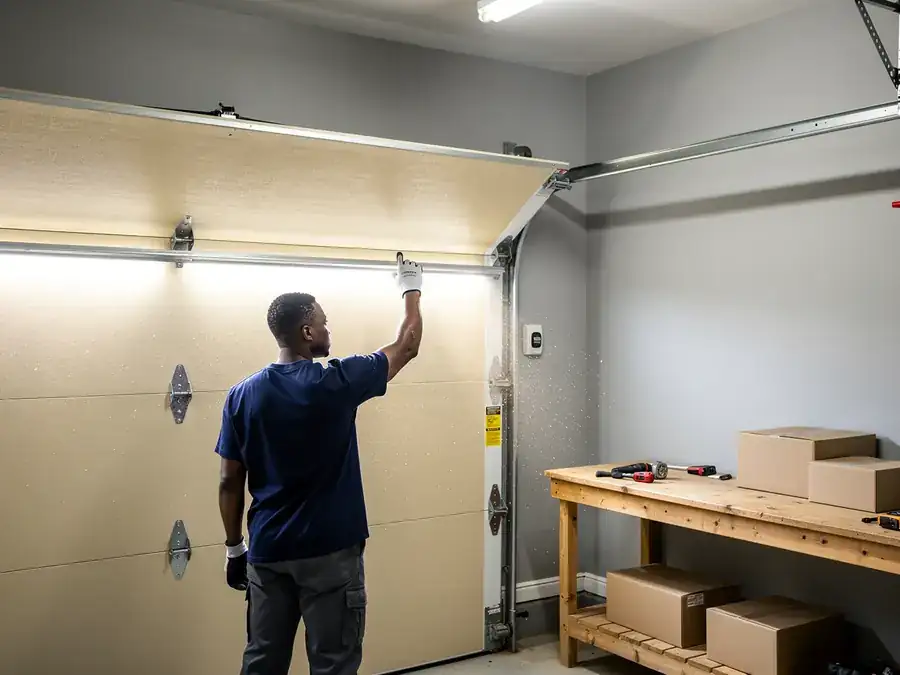
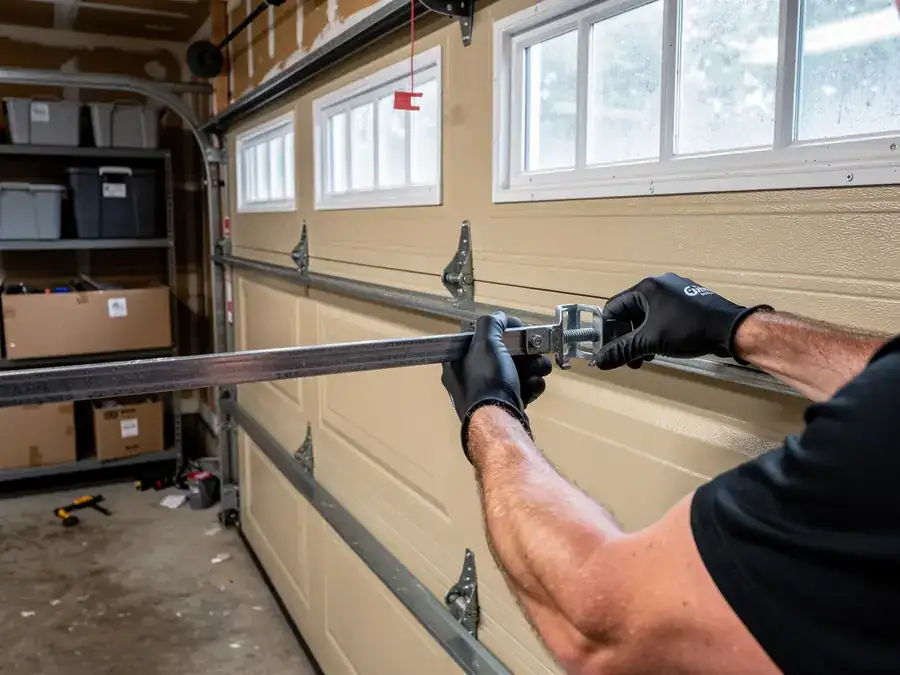
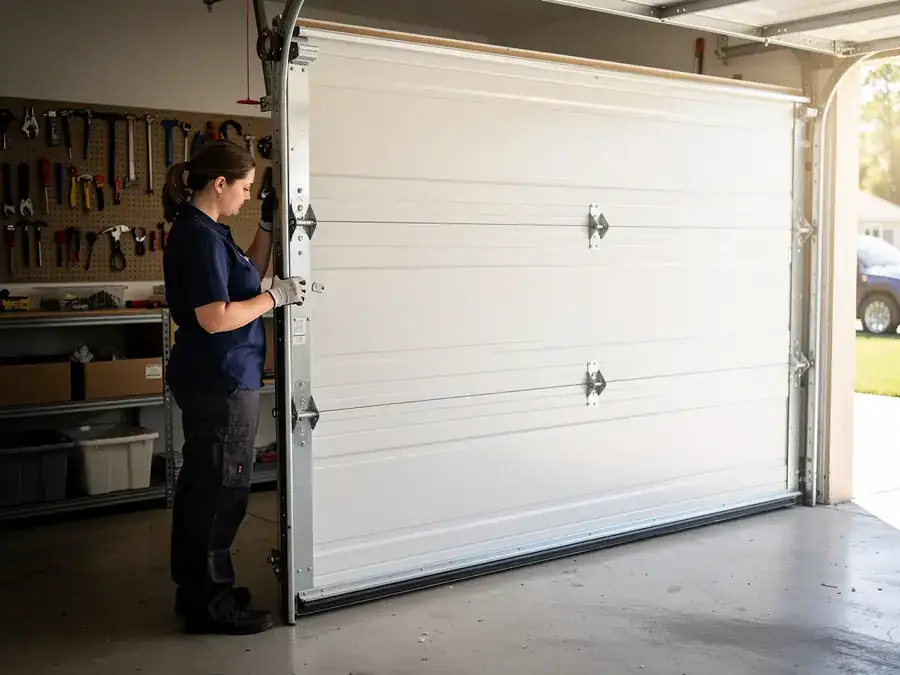
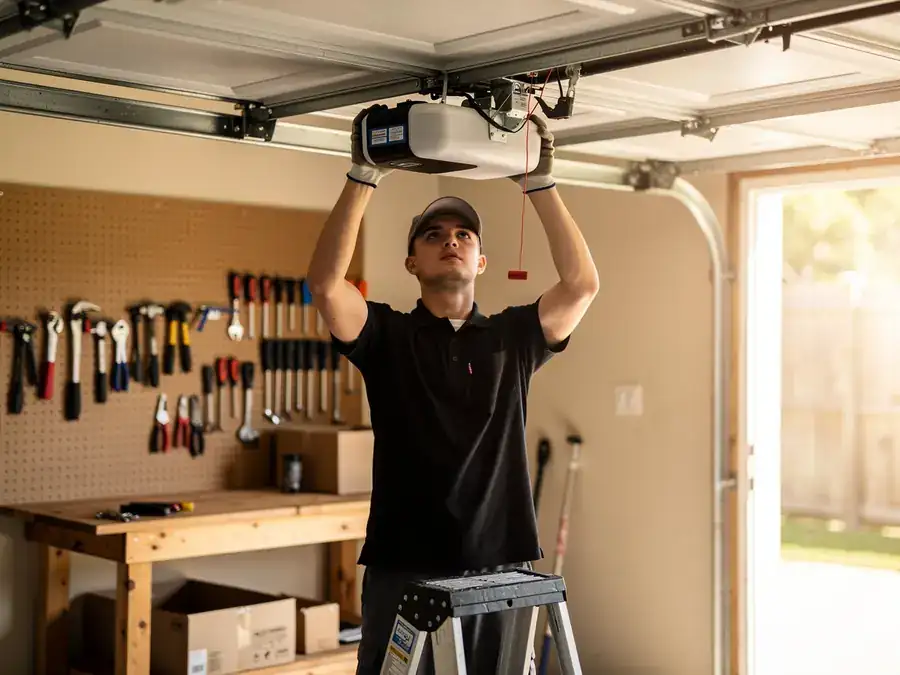
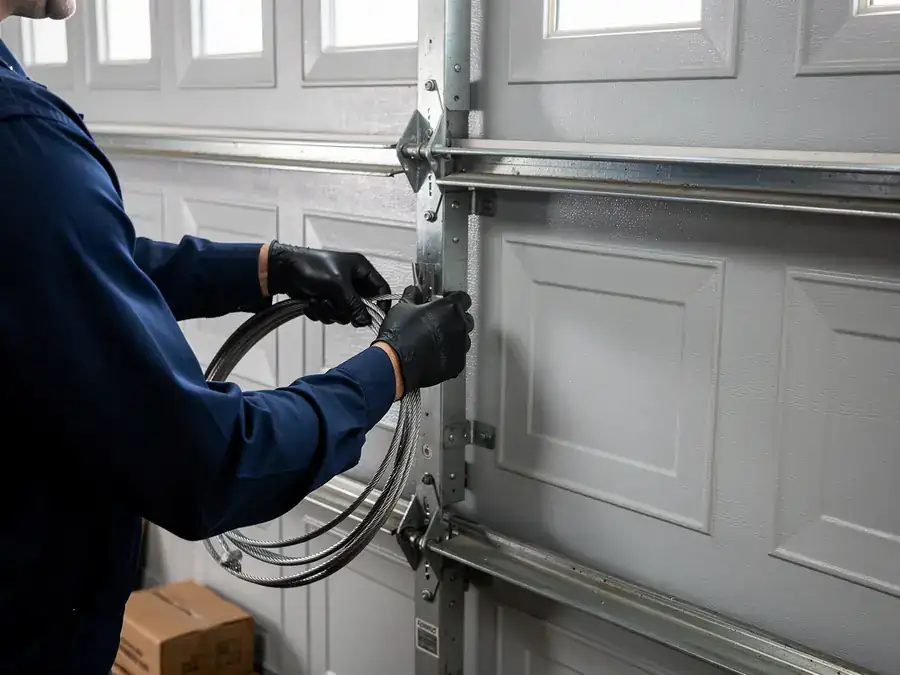
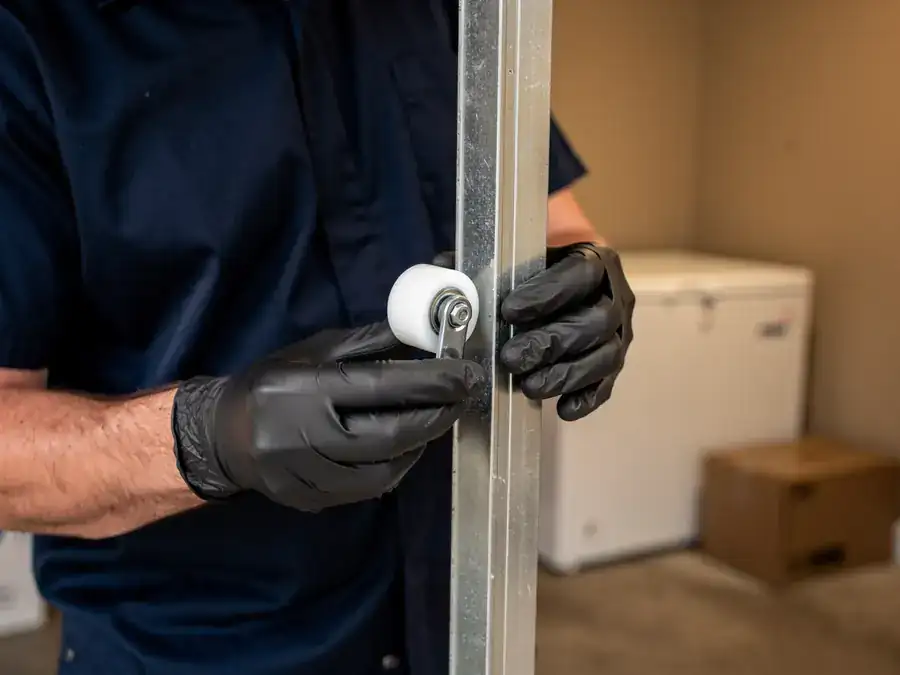
A maintenance visit on a house this age starts with checking spring tension against the actual weight of the door, not just looking at whether it moves. We check the cables for fraying at the drum, the rollers for cracking, and the opener's force settings, which drift over time and often get set wrong by whoever last touched them. If the springs are original, we'll tell you where they stand on remaining life rather than waiting for them to snap on a Saturday. Here's the honest limit: if a spring is close to the end of its cycle count, patching the rest of the system around it is a short-term move. We'd rather tell you that up front than have you call us back in eight months for the same door.